People think they already understand Iceland. Waterfalls. Northern lights. Road trips. That’s the postcard version. What’s changing right now is how people experience the country—and why some trips feel unforgettable while others quietly disappoint.
I’ve spent enough time here to see patterns repeat. Some good. Some not so great. If you’re planning a visit soon, these are the Iceland travel trends that actually matter, not the ones you’ll hear in glossy brochures.
1. Fewer Whirlwind Trips, More Slow Travel
The seven-day Ring Road sprint is losing popularity. And honestly, that’s a good thing.
More travelers are choosing to stay longer in fewer regions—West Iceland, the Eastfjords, or the south coast—and digging deeper instead of checking boxes. They linger in fishing towns. They wait out weather instead of fighting it. They take fewer photos and remember more moments.
This is where trips often go wrong: trying to see everything. Iceland doesn’t reward rushing. The weather will win. Always.
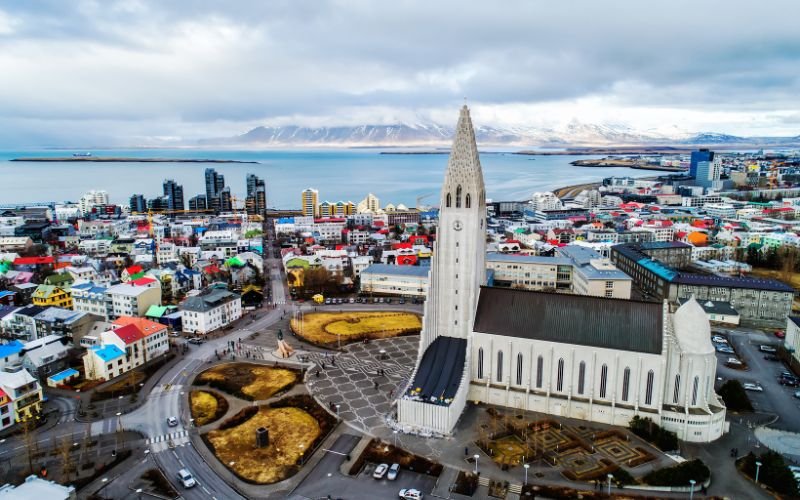
A traveler I met last fall planned four days just around Reykjavík and nearby hot springs. They left feeling rested, not exhausted. That’s becoming more common—and more sensible.
2. Northern Lights Trips Are Getting Smarter
The aurora isn’t new. But how people chase it is changing fast.
Travelers are finally realizing that seeing the lights is about patience, not luck. Instead of booking a single night and hoping for magic, more visitors plan multiple chances or base themselves somewhere dark and flexible.
There’s also a shift toward smaller, expert-led outings. If you plan to Book Iceland Northern Lights tour, look for operators that read cloud cover like locals do and don’t overpromise. The best ones will cancel if conditions are bad. That’s a green flag, not a red one.
Most people miss this: the lights are often better after midnight, when buses stop running and silence takes over.
3. Shoulder Seasons Are the New Sweet Spot
Summer is still popular. Winter still pulls in aurora hunters. But spring and fall? That’s where experienced travelers are going.
April–May and September–October offer fewer crowds, moodier landscapes, and lower prices—without fully sacrificing accessibility. Roads are open. Tours run. And the light is dramatic in a way midsummer never is.
One October evening, I watched fog roll off a glacier lagoon while tourists rushed back to their cars. Staying ten extra minutes changed everything. That’s shoulder season magic.
4. Fewer Big Attractions, More Small Stops
Yes, people still visit Blue Lagoon. But they’re also seeking out town pools, lesser-known hot pots, and roadside cafés that don’t trend on social media.
There’s a growing appreciation for everyday Iceland. Grocery stores. Gas station soups. Public swimming pools where locals soak after work.
These aren’t headline attractions. But they’re often the most memorable parts of a trip.
Small warning: some “secret spots” are no longer secret. If a location shows up on five Instagram reels in a week, it’s already crowded.
5. Self-Drive Isn’t Always the Best Choice
Renting a car used to be the default advice. That’s shifting.
Weather volatility, high fuel costs, and road closures have pushed many travelers toward guided day trips or partial self-drive plans. People might rent a car for a few days, then switch to tours for harder routes.
The Ring Road looks straightforward on a map. In reality, conditions change fast. Wind alone can ruin your day—and your car door.
This is where trips often go wrong: underestimating Icelandic weather because distances look short.
6. Sustainability Is More Than a Buzzword Now
Travelers are paying closer attention to where their money goes. Locally owned tours. Smaller guesthouses. Ethical wildlife operators.
There’s also more respect for land rules. Staying off moss. Following rope barriers. Understanding that “untouched” landscapes are fragile.
I’ve seen too many people step where they shouldn’t for a photo. It’s not rebellion. It’s ignorance—and it damages places permanently.
7. Food Experiences Are Getting Better (and More Honest)
Forget the idea that Icelandic food is just fermented shock-value dishes. The dining scene has matured quietly.
Travelers now seek bakeries, lamb soups, fresh fish lunches, and low-key neighborhood restaurants. They’re skipping overpriced “Viking menus” and choosing places locals actually eat.
A personal favorite moment: sitting in a tiny harbor café, watching a storm roll in, eating soup that cost less than a latte back home. No influencers. Just warmth.
8. Digital Detox Is a Real Motivation
Connectivity is everywhere. Yet more travelers are choosing Iceland because it helps them disconnect.
Some book cabins with no Wi-Fi. Others spend full days hiking without checking phones. There’s something about Iceland’s scale that resets your attention.
Most people miss this opportunity by over-scheduling. Leave empty space. The landscape will fill it.
9. Photography Is Slowing Down
Ironically, the most photographed country in Europe is seeing a backlash against constant shooting.
People still take photos. But fewer tripods. Fewer sunrise sprints. More time just watching light change.
That’s not less productive travel. It’s better travel.
10. Planning Is More Flexible Than It Used to Be
Rigid itineraries are out. Weather-based planning is in.
Experienced visitors build “floating days” into their trips. If the forecast looks bad, they pivot. If the skies clear, they stay.
This mindset alone can turn an average trip into a great one.
FAQs
1. When is the best time to visit Iceland now?
Late spring and early fall offer the best balance of access, atmosphere, and crowd levels.
2. Is the Northern Lights tour worth it?
Yes—if you allow multiple nights and choose operators who prioritize conditions over guarantees.
3. Do I need to rent a car?
Not always. Many travelers now mix tours with short self-drive segments.
4. Is Iceland overcrowded?
Certain sites are. Step five minutes off the main path and it often isn’t.
5. Is it expensive?
Yes, but smart choices—local food, shared tours, shoulder seasons—make a big difference.
Final Thoughts
Iceland hasn’t changed as much as how people travel through it. The biggest trend isn’t a new attraction or hotel—it’s a quieter, more intentional approach.
Slow down. Plan loosely. Respect the land. Give yourself multiple chances for the moments that matter, especially if you plan to Book Iceland Northern Lights tour.
If you do that, Iceland usually meets you halfway. And sometimes, on a silent road at midnight under moving green light, it gives you more than you expected.
Tags : Iceland Travel Trends Iceland