Designing Custom ADA Signs in Tomball: Best Practices for Accessibility and Branding
By zyran 21-01-2026 51
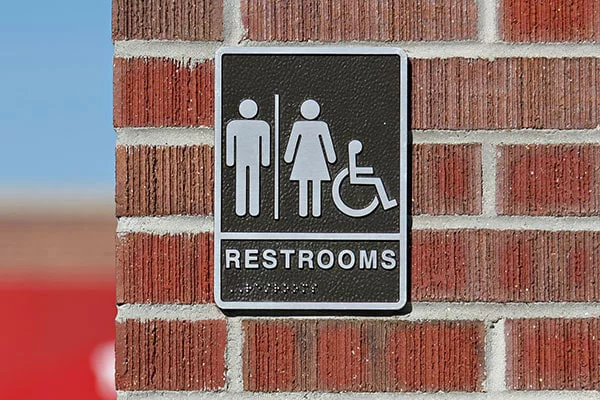
In today’s increasingly inclusive world, businesses in Tomball and the surrounding communities of The Woodlands, Cypress, Magnolia, and Spring, Texas are recognizing that signage is more than mere direction—it’s a powerful tool for accessibility, branding, compliance, and customer experience. As government regulations like the Americans with Disabilities Act (ADA) continue to shape building standards, investing in thoughtful, well-crafted signs is not just a legal requirement—it’s a reflection of your brand’s values.
This article explores Designing Custom ADA Signs in Tomball: Best Practices for Accessibility and Branding—with practical strategies that can help B2B service providers, property managers, and facility owners create signage that is inclusive, memorable, and aligned with their business identity. Whether you manage an office complex near Willow Creek Business Park, a retail storefront on FM 2920, or a medical facility near Tomball Regional Hospital, the principles of excellent sign design remain the same.
Understanding the Importance of Custom ADA Signs
When we discuss ADA signage, most people think of the bare minimum: labeling restrooms or exit doors. The truth is, ADA compliance should be woven into the very fabric of your facility’s wayfinding system.
1. Accessibility Is a Human Right
People with visual, cognitive, or motor disabilities should be able to navigate your space with dignity and independence. Custom ADA signs—including Custom Braille Signs and tactile elements—are fundamental in making that possible. These signs provide essential information to individuals who might otherwise struggle to access your services.
2. ADA Compliance Reflects Professionalism
Compliance with ADA standards isn’t optional. For commercial buildings in Tomball and the Houston metropolitan area, meeting these regulatory standards protects businesses from legal risks and demonstrates respect for all customers.
3. Signage Influences Brand Perception
Signage is often the first physical interaction a visitor has with your business. A well-designed ADA sign tells your visitors that you pay attention to detail, care about accessibility, and care about aesthetics—all critical components in building trust and credibility.
Legal Requirements for Custom ADA Signs
Before diving into design, it’s essential to grasp the baseline ADA requirements for signs:
Raised Characters & Braille: Must be present on room identification signs.
Font Style & Size: Sans-serif or simple serif fonts at specific sizes for legibility.
Mounting Height & Contrast: Signs must be mounted at accessible heights with high contrast text/background.
Finish & Glare: Non-reflective materials to prevent glare for visually impaired visitors.
These parameters are outlined by the ADA and referenced in state and local building codes. While compliance may seem stringent, it creates a predictable and safe environment for everyone.
The Dual Purpose of Custom ADA Signs in Tomball
1. Accessibility
The core purpose of ADA signage is to ensure equitable access. This includes:
Tactile Elements: Raised letters and symbols that can be felt by hand.
Braille: Grade 2 Braille (contracted) that conveys information succinctly.
Clear Messaging: Simple, straightforward language that avoids ambiguity.
2. Branding & Aesthetics
Accessibility doesn’t mean sacrificing style. A growing number of businesses are integrating brand colors, typography, and visual identity into their ADA signage, supporting recognition while still complying with regulations.
For example, a boutique hotel near Tomball’s Historic Downtown may use branded ADA room signs with consistent color themes and logo elements—without compromising readability or regulatory standards.
Design Principles for Custom ADA Signs in Tomball
When designing custom ADA signs, there are several best practices to follow:
1. Start With Functionality
Accessibility should never be an afterthought. Begin each sign project by identifying:
Who will use this sign?
What information must be conveyed?
Where will the sign be located?
This foundation guides every aesthetic decision.
2. Choose the Right Materials
Durability matters. Signs in high-traffic areas require robust materials like:
Acrylic or high-density plastic
Brushed aluminum
Anodized finishes
Anti-graffiti laminates
For outdoor ADA signage near Tomball’s commercial corridors, weather-resistant materials ensure longevity and legibility.
3. Use High Contrast and Readable Fonts
ADA standards emphasize text contrast and font clarity. For custom signage:
Dark text on a light background (or vice versa)
Avoid highly stylized fonts
Maintain 70% contrast minimum
Good contrast significantly improves readability for all visitors.
4. Incorporate Tactile Features With Purpose
Raised letters and Braille aren’t optional if your sign conveys room identity or directions. Effective tactile design should:
Be smooth and comfortable to the touch
Follow ADA placement standards
Avoid decorative patterns that confuse interpretation
This is especially vital in areas like medical centers, schools, and municipal buildings.
5. Branding With Sensitivity
Brand elements can be integrated subtly:
Logo placement above tactile text
Color accents within ADA-compliant contrast ratios
Consistent sign style throughout the facility
Keep branding tasteful so it enhances—not overpowers—the sign’s primary purpose.
Custom Braille Signs: A Must Have for Inclusive Spaces
Custom Braille Signs bridge communication gaps for visually impaired visitors. They should be viewed not as an accessory but as an essential communication tool.
Why Custom Braille Signs Matter
Promotes independence: Users can locate rooms and services without assistance.
Enhances safety: Critical information (e.g., emergency routes) is accessible even in crisis.
Meets legal standards: Non-compliance can result in fines and rework costs.
Best Practices for Braille
Use Grade 2 Braille: The most widely used contracted form, efficient and standardized.
Proper Spacing: Ensure Braille dots are accurately spaced and positioned according to ADA standards.
Tactile Contrast: Braille dots should be raised at appropriate heights with stark visual contrasts.
Custom Braille signs elevate your facility’s wayfinding system and communicate respect for diverse abilities.
Integrating Custom ADA Signs With Wayfinding Systems
Signage should work as part of a cohesive wayfinding strategy. Consider patterns in:
Directional signs
Room identifiers
Service area labels
Floor maps and directories
In locations like Willowbrook, Klein, and Tomball Parkway Business Centers, unified signage systems ensure that tenants and visitors alike can move easily and confidently.
Layered Wayfinding Approach
An effective wayfinding system contains:
Identification Signs: Room and space labels with ADA compliance
Directional Signs: Arrows guiding people to main areas
Informational Panels: Facility maps, rules, and services listed clearly
Regulatory Notices: Safety instructions and compliance alerts
This layered method informs, orients, and guides—making the visit intuitive from front door to destination.
ADA Signage in a B2B Context
For B2B clients in Tomball, designing ADA signage involves strategic thought that reflects not just compliance but business identity.
Property Managers & Developers
If you oversee office parks or multi-tenant buildings:
Standardize signage across tenants
Offer branded options for tenant businesses
Use durable materials to reduce maintenance costs
Well-executed ADA signage increases property value and tenant satisfaction.
Healthcare & Medical Offices
Clinics and specialty practices need clear, accessible ADA signs that reduce confusion and stress for visitors. This includes:
Exam room numbers
Restroom labels
Waiting and reception area identifiers
Clear communication is essential in high-stress environments.
Educational Institutions & Training Centers
Schools and training facilities must accommodate diverse learners and visitors. ADA-compliant signage aids:
Students with disabilities
Parents and families
Visiting professionals and vendors
Education spaces benefit when ADA signage supports autonomy and ease of navigation.
Case Study: Tomball Business Park Revamp
Imagine a multi-building business park near FM 2978 that decided to upgrade its wayfinding and ADA signage.
Objectives
Improve navigation for visitors and service providers
Elevate brand perception across tenants
Ensure ADA compliance throughout
Actions Taken
Installed high-contrast Custom ADA Signs in Tomball at key decision points
Integrated Custom Braille Signs for all room identifiers
Matched color schemes to the business park’s branding without violating contrast standards
Added directional signage with tactile arrows and clear visual cues
Results
Visitor complaints decreased by 40%
Tenant satisfaction improved significantly
The property attracted new clients who appreciated the modern, accessible design
This example highlights how thoughtful ADA signage supports both accessibility and business outcomes.
Choosing the Right Signage Partner
Selecting a professional partner who deeply understands ADA requirements and design aesthetics is crucial. A local expert like LGL Sign Company, LLC can help you:
Navigate ADA regulations
Customize signage for your brand
Ensure proper installation and long-term durability
Trusted signage partners serve as collaborators—helping businesses balance compliance and creativity.
Installation & Maintenance Best Practices
Proper Installation
Ensure signage is mounted at ADA-specified heights
Place in clear sightlines without obstructions
Confirm tactile elements are reachable
Regular Maintenance
Clean signs periodically
Check for wear, scratches, or fading
Replace damaged Braille or tactile features immediately
Routine care preserves both accessibility and professionalism.
Local Considerations: Tomball & Surrounding Areas
While Tomball’s business environment is unique, neighboring communities like Huffman, Waller, and Spring share similar signage needs:
Weather exposure: Outdoor signs must withstand humidity and heat
Growth corridors: New businesses on FM 2920 and Highway 249 require scalable signage programs
Mixed-use developments: Integrated ADA signage improves cohesion in shared facilities
Understanding regional business growth informs smarter signage decisions.
Looking Ahead: The Future of ADA Signage
Emerging trends include:
Digital wayfinding integration
QR codes linked to audio descriptions
Eco-friendly materials and manufacturing processes
Augmented reality navigation tools
These innovations complement physical ADA signage and enhance accessibility beyond static displays.
Frequently Asked Questions (FAQ’s)
1. What are Custom ADA Signs?
Custom ADA signs are tailored signage solutions that meet ADA standards for accessibility—featuring raised letters, Braille, and contrast ratios—while reflecting a business’s branding and functional needs.
2. Why Are Custom Braille Signs Important?
Custom Braille signs enable visually impaired individuals to independently access information about rooms and services. They are a key part of ADA compliance and inclusive design.
3. Do All Businesses in Tomball Need ADA Signage?
Most public and commercial facilities require ADA signage. This includes offices, retail stores, medical centers, schools, and multi-tenant buildings. Signage requirements vary by building type and usage.
4. How Do I Ensure My Signs Are ADA Compliant?
Follow ADA guidelines for placement, contrast, tactile elements, and Braille. Working with an experienced sign provider ensures compliance and quality.
5. Can ADA Signs Reflect My Brand Identity?
Yes! With thoughtful design, you can incorporate brand-appropriate colors, fonts, and logos into ADA-compliant signs without compromising accessibility.
6. What Materials Work Best for ADA Signage?
Popular materials include acrylic, metal, and durable plastics. Outdoor signs may require weather-resistant finishes and UV protection.
7. How Often Should ADA Signs Be Maintained?
Signs should be inspected regularly, especially in high-traffic or outdoor areas. Replace or repair any worn or damaged elements promptly.
Conclusion
Designing Custom ADA Signs in Tomball is not just a regulatory task—it’s an opportunity to enhance accessibility, strengthen your brand, and create thoughtful experiences for all visitors. From the smallest Custom Braille Signs to comprehensive wayfinding systems across multi-building campuses, every sign reflects your commitment to inclusivity and professionalism.
For businesses and facilities in Tomball and neighboring communities, embracing best practices in ADA signage not only protects your brand but fosters an environment where every visitor feels valued and empowered.
Let your signage speak volumes—clearly, accessibly, and with purpose.
Tags : .....