Few places can compare to Iceland's enchanting side when visited in the winter. The land of fire and ice is transformed into a pristine wonderland from November to March, when snow-covered landscapes, dazzling auroras, and unusual winter activities create lifelong memories. Winter provides close-up views of nature's most breathtaking sights, such as the captivating Northern Lights dancing across the pitch-black Arctic skies, while summer draws larger crowds. Winter is the ideal season to visit this remarkable nation, whether you're looking for adventure, breathtaking scenery, or once-in-a-lifetime experiences. Book your Iceland Winter tour packages with Go Kite Travel to start your Arctic adventure. Their professional planning will make sure you make the most of every amazing moment of your trip.
Why Visit Iceland in Winter?
Winter travel to Iceland is becoming more and more popular due to its unique benefits. Longer nights that are perfect for seeing the Northern Lights, fewer visitors to popular sites, and access to special wintertime pursuits like ice cave exploration are all benefits of the season. Glaciers, waterfalls, and volcanic terrain take on ethereal qualities in winter landscapes blanketed in fresh snow, making for breathtaking photographic opportunities. Prices for hotels and tours usually decrease when compared to the summer peak season, providing better value. Warm soaks in natural pools are incredibly refreshing because of the stark contrast between geothermal hot springs and frozen landscapes. The prolonged twilight periods provide lovely atmospheric lighting for exploration and photography, even though the daylight hours are shorter (about 4-5 hours in December).
Northern Lights: Tips for Successful Aurora Viewing
The ultimate Icelandic winter experience is the Aurora Borealis, also known as the Northern Lights. When charged particles from the sun interact with Earth's magnetic field, they produce dancing curtains of pink, purple, and green that illuminate the night sky. Use these crucial pointers to get the most out of your viewing experience:
Timing and Season: September through April is the best time to see the Northern Lights, with December through February seeing the darkest skies. Use apps or websites that display KP index predictions to check aurora forecasts; levels above three suggest good viewing potential.
Location Is Important: Go to areas that are darker to avoid Reykjavik's light pollution. The Reykjanes Peninsula, Thingvellir National Park, and any location along the South Coast are popular destinations. Numerous tour companies provide expertly guided Northern Lights tours, knowing the best spots based on weather and aurora activity.
Weather: Clear skies are necessary because clouds block the view of auroras. Keep an eye on weather predictions and adjust your schedule as necessary. Waiting hours for clouds to clear or auroras to intensify can sometimes be a sign of patience.
Using a tripod, a high ISO (1600-3200), a wide aperture (f/2.8 or less), and a long exposure (5–15 seconds) are some photography tips. Batteries quickly run out in cold weather, so pack extra.
Ice Cave Exploration
One of the most breathtaking wintertime activities that is exclusive to Iceland is visiting ice caves. These transient structures form inside glaciers, especially Vatnajökull, and produce ethereal blue caverns that are only visible in the winter months when meltwater freezes. Small groups are led by knowledgeable guides into these crystalline chambers, where light filtered through old ice creates surreal blue and turquoise hues. Popular tours that combine glacier hiking and ice cave visits leave from the Jökulsárlón glacier lagoon. Only knowledgeable guides who keep an eye on the situation every day can safely access these caves, which are always changing. Standing inside a glacier, encircled by compressed ice that has been there for centuries, produces memories that are unmatched anywhere else on Earth.
Glacier Hiking and Snowmobiling
With snow-covered surfaces providing ideal conditions for exploration, winter enhances glacier adventures. With crampons and ice axes, participants in guided glacier hikes on Sólheimajökull, Svínafellsjökull, or Vatnajökull learn the fundamentals of glacier travel while exploring crevasses, ice formations, and breathtaking views. A thrilling high-speed adventure with expansive views of Iceland's interior highlands can be had while snowmobiling across the Langjökull glacier. Although prior experience is not necessary for these activities, a reasonable level of fitness is. These excursions are exciting and instructive because professional guides guarantee safety while imparting their knowledge of glaciology and local legends.
Soaking in Geothermal Hot Springs
The contrast between being surrounded by snow and soaking in naturally heated water perfectly captures Iceland's winter luxury. With its silica-and mineral-rich milky-blue waters, the Blue Lagoon is still the most well-known geothermal spa, but there are many other options that provide just as enchanted experiences. With an infinity edge and a view of the Atlantic Ocean, the Sky Lagoon is located close to Reykjavik. With fewer tourists, North Iceland's Nature Baths offer breathtaking views of the mountains. Authenticity and rustic charm can be found at the Secret Lagoon near Flúðir. Numerous natural hot springs can be found all over the countryside, where residents are welcome to soak. These cosy retreats offer ideal relaxation and a typical Icelandic experience after days of exploring frozen landscapes.
Winter Road Trips: The Golden Circle and South Coast
Wintertime self-drive excursions in Iceland offer travellers amazing flexibility and access, but they also require preparation. The Golden Circle route, which passes through Thingvellir National Park, the Gullfoss waterfall, and the Geysir geothermal area—all of which have been altered by winter ice and snow—is still open throughout the year. Route 1 along the South Coast leads to the Jökulsárlón glacier lagoon with floating icebergs, the black sand beach of Reynisfjara, and the Seljalandsfoss and Skógafoss waterfalls. A 4WD vehicle, close attention to road conditions and weather forecasts, and flexible scheduling are necessary for winter driving. Always check weather.is for forecasts and road.is for current conditions. If driving in the winter makes you uneasy, think about taking a guided tour; skilled drivers can safely negotiate difficult conditions while offering local knowledge.
Unique Winter Wildlife Encounters
There are unique chances to see wildlife in the winter. Riding through snow-covered landscapes is a breathtaking experience thanks to Iceland's hardy horses and their thick winter coats. Orcas and humpback whales are regularly sighted in Faxaflói Bay, and whale watching is available from Reykjavik all winter long. Seals are more noticeable along coastlines, while puffins migrate away for the winter. Sometimes seen from major roads, reindeer roam the highlands of East Iceland. The only native land mammal in Iceland, the Arctic fox, is more active in the winter but still elusive.
Reykjavik's Winter Culture
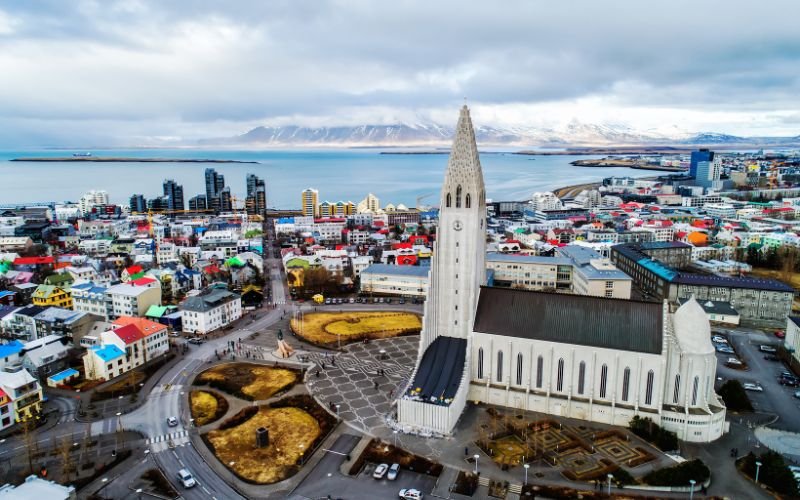
With its museums, galleries, eateries, and cafés offering warmth and culture, Iceland's capital offers a comfortable haven in between adventures. Christmas markets, New Year's festivities (complete with spectacular fireworks), and the Winter Lights Festival in February honouring the return of the sun are all part of winter. All of the city's geothermally heated swimming pools offer year-round outdoor swimming where residents can mingle in any weather. Reykjavik is walkable due to its small size, and its charming urban landscapes are created by the vibrant architecture that stands out against the snowy surroundings.
Conclusion
Winter travel to Iceland provides enchanted experiences with some of nature's most breathtaking sights in comparatively uncrowded surroundings. Iceland's natural beauty and strength are on full display during the winter months, when visitors can explore crystalline ice caves, chase the Northern Lights across dark skies, soak in geothermal pools encircled by snow, and see potent waterfalls that are partially frozen in time. Winter travel rewards adventurous spirits with life-changing experiences and breathtaking landscapes that summer visitors never see, but it also necessitates the right planning and flexibility. Are you prepared to set out on your Arctic adventure? Go Kite Travel offers Iceland Winter Vacation Packages. Let our knowledgeable staff create the ideal winter schedule so you can see the Northern Lights, visit ice caves, and engage in all the other amazing activities that make Iceland's winter season so remarkable.
Tags : .....