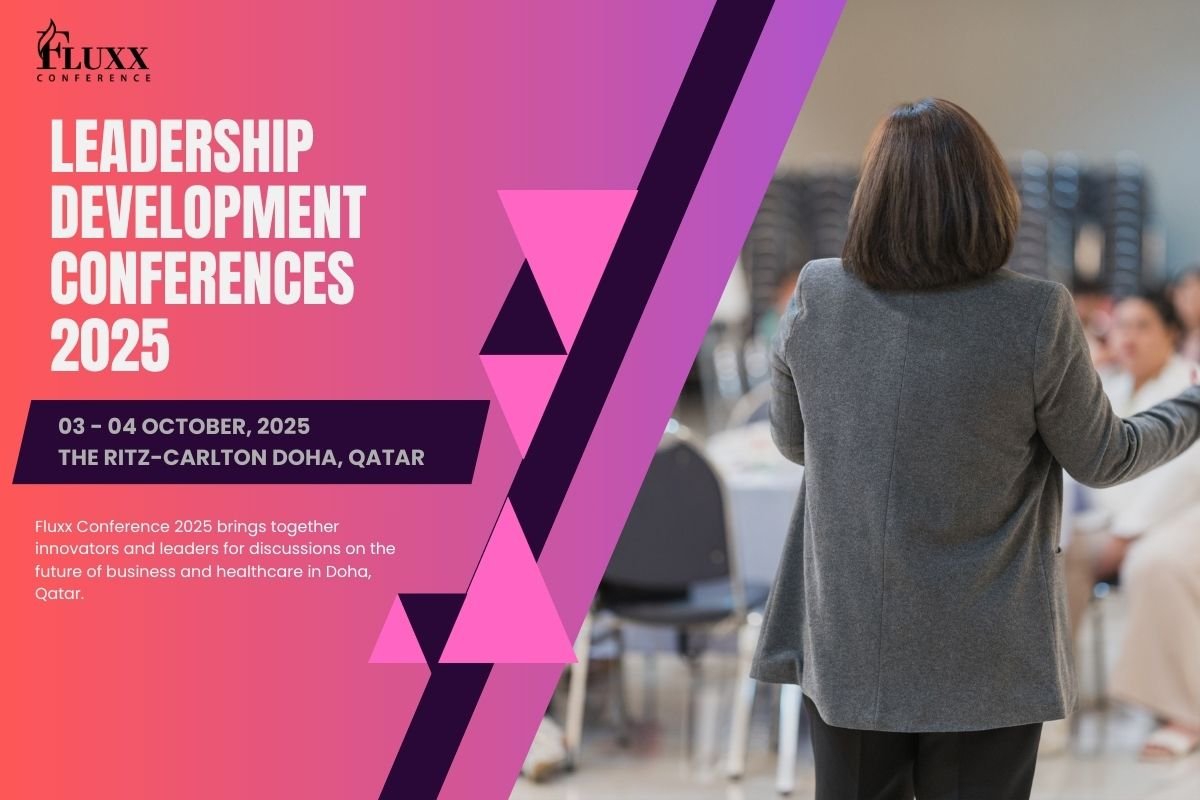
Globalization has reshaped leadership in profound ways. Today, leaders need more than strategy and vision. They must understand human connections, embrace diversity, and cultivate belonging. As teams expand across countries and cultures, the human side of global agility becomes critical. Attending events like leadership development conferences 2025 can provide insights into building inclusive teams that thrive across borders.
Understanding Global Agility
Global agility is not just about moving quickly across markets. It is about adapting your leadership style to diverse cultures, work practices, and values. Leaders should recognize that communication styles differ across regions and that empathy plays a key role in fostering engagement. By focusing on the human aspect, they can ensure their teams feel valued regardless of location.
Participating in sustainability conferences 2025 can show leaders how global initiatives intersect with cultural expectations, giving them strategies to create meaningful connections in international settings.
The Role of Inclusion in Global Teams
Inclusion goes beyond representation. Leaders must actively create environments where all team members feel they belong. This might mean modifying meeting times to respect multiple time zones or understanding local work norms. Organizations should invest in training that encourages awareness of unconscious bias and cultural differences.
Leadership development conferences 2025 frequently highlight programs that demonstrate how inclusive practices improve engagement and performance. Leaders who implement these insights may find that diverse teams innovate more effectively and adapt better to change.
Building Belonging Through Communication
Open and transparent communication is essential. Leaders must foster an atmosphere where team members feel comfortable sharing ideas and concerns. They should model active listening and demonstrate respect for all voices. This approach builds trust and helps reduce misunderstandings in global teams.
Healthcare leaders, for instance, may attend healthcare innovation conferences 2025 to learn how global collaboration improves patient outcomes. Insights from these events often include methods to enhance communication across cultural and organizational boundaries.
Leveraging Technology for Human Connection
While technology enables global operations, it must be used thoughtfully. Video conferencing, collaborative platforms, and social tools allow teams to stay connected, but leaders must ensure that technology does not replace personal engagement. Regular check-ins, mentoring sessions, and team-building activities should complement digital communication.
Technology also provides analytics that can inform leaders about team sentiment, helping them identify members who may feel disconnected. Leaders must act on these insights to maintain inclusion and belonging.
Emotional Intelligence and Empathy
Emotional intelligence is crucial for global leaders. They should be able to sense how their decisions impact team morale and motivation. Empathy allows leaders to appreciate challenges faced by employees in different regions and adapt support accordingly.
Attending sustainability conferences 2025 can expose leaders to case studies demonstrating how empathy-driven leadership drives organizational success, particularly in multicultural environments.
Learning From Cross-Cultural Experiences
Leaders may benefit from hands-on experiences in diverse settings. Immersing themselves in different cultures helps them understand local perspectives, improving decision-making and team cohesion. These experiences often highlight that what motivates one team may not work for another, emphasizing the need for flexible leadership styles.
Global conferences, including leadership development conferences 2025, offer workshops and panels that simulate real-world cross-cultural challenges, preparing leaders to navigate these situations effectively.
Creating Policies That Foster Belonging
Organizational policies should reflect a commitment to inclusion. Flexible working hours, recognition of cultural holidays, and clear pathways for professional growth can reinforce belonging. Leaders must advocate for policies that make every employee feel valued and supported.
Insights from healthcare innovation conferences 2025 often showcase how policies designed with empathy improve employee satisfaction and patient care outcomes, reinforcing the connection between belonging and organizational success.
Measuring Impact and Continuous Improvement
Leaders must assess the effectiveness of their inclusion strategies regularly. Surveys, feedback sessions, and performance metrics can reveal gaps and opportunities. Acting on this feedback demonstrates commitment to continuous improvement and strengthens trust within global teams.
Conclusion
The human side of global agility is about prioritizing people in every decision. By fostering inclusion, leveraging technology wisely, practicing empathy, and learning from diverse experiences, leaders can build a sense of belonging across borders. Attending sustainability conferences 2025, leadership development conferences 2025, and healthcare innovation conferences 2025 offers valuable insights to enhance these skills. Leaders who master this balance will not only navigate the complexities of global operations but also cultivate teams that are resilient, innovative, and engaged.