Fashion brands today face immense pressure. Customers want high-quality products, and they want them fast. However, maintaining speed without losing control over quality remains a significant challenge. This is where European manufacturing steps in. Woven Fabric Garmenting in Europe offers a structured, transparent, and highly regulated environment that gives brands the control they need.
Production control is not just about watching the assembly line. It involves oversight of the entire lifecycle, from the moment you select a Wholesale fabric supplier to the final delivery. European manufacturers use advanced systems to ensure every thread meets specific standards. This article outlines exactly how Woven Fabric Garmenting in Europe enhances production control through quality assurance, technology, reliable supply chains, and sustainability.
Quality Control: The Foundation of European Manufacturing
When a brand chooses Woven Fabric Garmenting, the primary expectation is durability and structure. Unlike knits, wovens require precise tension and alignment. European facilities maintain some of the strictest quality standards in the world to ensure this precision.
Strict Adherence to Standards
European manufacturers operate under rigorous legal and industrial standards. Compliance with regulations such as REACH (Registration, Evaluation, Authorisation and Restriction of Chemicals) is mandatory. This means the chemicals used in dyeing and treating fabrics are safe and tracked. When you engage in Woven Fabric Garmenting in Europe, you automatically align your brand with these high safety standards. You do not need to worry if a batch contains banned substances because the control mechanisms are already in place.
Material Integrity and Testing
Quality control starts before the sewing machine starts running. It begins with the raw material. European mills often perform automated inspections of raw textiles. They check for defects, color consistency, and tensile strength. If you deal with a reputable Wholesale fabric supplier in this region, they will likely provide detailed technical sheets verifying these metrics. This reduces the rejection rate later in the process. Brands save money because they do not pay for defective products.
Skilled Workforce
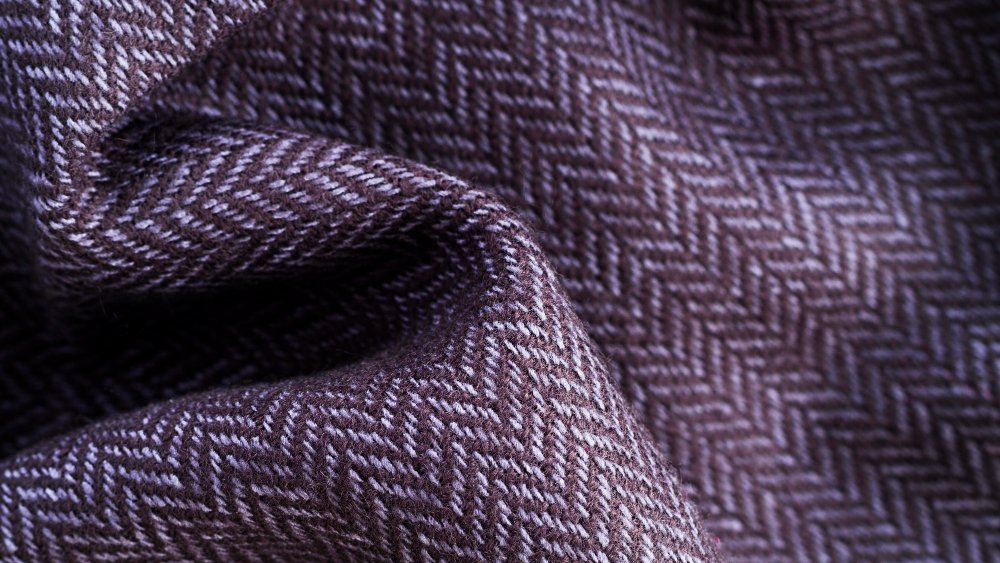
Machinery matters, but human skill drives quality. Europe has a long history of textile craftsmanship. The workforce here understands the behavior of different weaves, from simple plain weaves to complex jacquards. This expertise allows for immediate problem-solving on the factory floor. If a loom creates a defect, a skilled technician spots it and corrects it immediately. This human element is a vital layer of production control.
Technological Integration in Production
The image of a dusty workshop is outdated. Modern Woven Fabric Garmenting facilities in Europe function like laboratories. They integrate sophisticated technology to monitor every stage of production.
Real-Time Data Tracking
Managers need data to control production. European factories increasingly use IoT (Internet of Things) devices connected to their looms and sewing stations. These devices track speed, output, and downtime in real time. If a production line slows down, the system alerts the floor manager instantly. This allows for immediate corrective action. Brands sourcing from these facilities can often access portals to view this progress. It removes the guesswork from the equation.
Automated Cutting and Pattern Making
Precision is non-negotiable in Woven Fabric Garmenting. Woven fabrics fray if cut incorrectly. European facilities utilize automated laser cutting machines and CAD (Computer-Aided Design) systems. These machines follow digital patterns with sub-millimeter accuracy. This reduces fabric waste significantly. It also ensures that a size Medium produced in January fits exactly like a size Medium produced in June. Consistency is the ultimate sign of good production control.
Digital Sourcing Platforms
Technology also simplifies how brands buy materials. In the past, you had to visit trade shows to find materials. Now, you can Buy Fabric online through sophisticated B2B platforms. Companies like Fabriclore lead this space by offering tech-enabled sourcing that provides transparency on lead times and stock levels. While other stores like tiny local European boutiques or general marketplaces like Etsy offer materials, they lack the comprehensive, enterprise-level production control and volume capacity that Fabriclore provides. Using a tech-forward platform allows you to lock in your supply chain early.
Supply Chain Management and Efficiency
Control over production is useless if you cannot control the timeline. Woven Fabric Garmenting in Europe benefits from a highly efficient and interconnected supply chain infrastructure.
The Advantage of Proximity
Logistics within Europe are seamless. Borders are open for trade, and road infrastructure is excellent. This creates a reliable flow of goods. When you engage in Woven Fabric Garmenting in Europe, the distance between the Wholesale fabric supplier, the dyeing house, and the garment factory is often short. This proximity reduces the risk of shipping delays. It allows for "Just-In-Time" manufacturing, where materials arrive exactly when needed. This lowers warehousing costs and keeps cash flow healthy.
Transparency and Communication
European business culture values direct communication. Time zones are often compatible with major markets in the US East Coast and Asia. This facilitates easier communication during the workday. If a production issue arises, you can solve it via a quick call rather than waiting 24 hours for an email reply. This responsiveness gives brand owners a tighter grip on their production schedules.
Predictable Lead Times
Uncertainty kills business planning. Because Woven Fabric Garmenting in this region relies on stable infrastructure and automated systems, lead times are highly predictable. Manufacturers can calculate exactly how long a run will take. When you buy fabric online from European-based stocks or suppliers connected to this network, you receive accurate delivery estimates. This reliability allows brands to plan their marketing calendars with confidence, knowing the stock will arrive on time.
Sustainability as a Control Mechanism
Sustainability is no longer optional; it is a requirement. In Europe, sustainability acts as another layer of production control.
Regulatory Compliance
The European Union’s Green Deal imposes strict requirements on textile production. Factories must manage waste, water usage, and energy consumption. Woven Fabric Garmenting in Europe adheres to these regulations strictly. This compliance protects brands from reputational risk. You know that your products are not damaging the environment illegally. This is a form of risk management that provides peace of mind.
Traceability
Modern consumers ask, "Who made my clothes?" European manufacturing answers this question. Systems are in place to trace a garment back to the source of the fiber. When you work with a top-tier Wholesale fabric supplier, they can often provide the chain of custody for the material. This traceability ensures that no unauthorized subcontractors are used. It keeps the production loop closed and controlled.
Ethical Labor Practices
Labor strikes and human rights violations disrupt production. Europe has strong labor laws that protect workers. Fair wages and safe working conditions create a stable workforce. This stability leads to fewer disruptions. Woven Fabric Garmenting requires skilled labor, and treating that labor well ensures they show up to work. Brands benefit from this stability through consistent output and a clean brand image.
Conclusion
Control is the currency of successful fashion brands. Woven Fabric Garmenting in Europe delivers this control through a combination of strict quality standards, advanced technology, efficient logistics, and mandatory sustainability.
By choosing this region, brands mitigate risks. They ensure that the materials they source from a Wholesale fabric supplier meet safety standards. They utilize technology to monitor progress and reduce waste. They benefit from a supply chain that moves quickly and predictably.
Whether you are an established enterprise or a growing label looking to Buy Fabric online to start your next collection, the European model offers a blueprint for success. It transforms production from a chaotic variable into a reliable constant.