Getting rid of your tattoo is a serious decision. Along with a bunch of laser treatments and some patience, one of the things a lot of people worry about during the removals is how uncomfortable or painful the treatments will be.
That's when a good numbing cream can really help. Used properly and under the right circumstances, it can make the pain a little less painful and the experience a little more tolerable.
But there are proper ways and precautions. Here is what you need to know.
When & How to Apply for Best Effect?
To maximize the numbing cream's effectiveness during tattoo removal, do the following:
1. Clean and prepare skin
Wash the area with mild soap and water, rinse well, and pat the area dry. Do not apply any irritating products (harsh alcohols, scrubs) before the session.
2. Apply a thick layer of cream
Use enough so that the cream completely covers the area and does not rub it in completely, but leave it sitting on top of the skin, slightly above the skin. You should be able to see it as a visible layer.
3. Seal the cream with an occlusive dressing/plastic wrap
Seal the cream to enhance absorption and keep it from wiping off the skin. The use of cling film/plastic wrap/occlusive dressing over the cream is common in many clinics or with many people. Some users will also say that it helps with the numbing effect.
4. Timing is important
The cream needs to have time to work. Most numbing creams need 30–60 minutes before the actual tattoo removal session to be fully numbed. Some resources will tell you to wait 45 minutes or more.
5. Remove cream before treatment
Right before you start the laser, remove the wrap and wipe away excess numbing cream for tattoo removal. Clean the area as instructed by the clinic technician. This will allow the laser to fit safely and effectively without interference.
Safety Considerations & Common Mistakes
In addition to proper use of the numbing cream, keeping safety in mind is paramount. Here are some things to look out for:
- Don’t over-use or leave it on longer than directed. More cream is not necessarily better - too much lidocaine or too long could put you at risk of systemic absorption, which can result in adverse reactions.
- Do not apply to extensive areas without professional supervision - some products increase risk when used on large areas.
- Do not mix with another anesthetic cream or an unknown product without clearance from a professional.
- Allergy check. If your known allergy is to lidocaine or related agents, test it or avoid.
- Must follow aftercare instructions - after removal, the skin will likely be red, swollen and possibly blistering.
It is recommended that you clean it, avoid sun exposure, and avoid scabbing or picking scabs. Apply creams or healing ointments as applicable or recommended.
Does Numbing Cream Affect the Effectiveness of Tattoo Removal?
One frequently asked question is: Will the use of numbing cream chemically inhibit or block the laser removal process?
- Recent sources indicate that a thin topical layer of numbing cream does not chemically block or inhibit the laser’s ability to reach tattoo ink located in the dermis. The laser energy is strong enough to penetrate through creams.
- The only issue is whether excess numbing cream is removed before treatment; you want clean skin, but not residue that is thick enough to reflect or absorb light inappropriately.
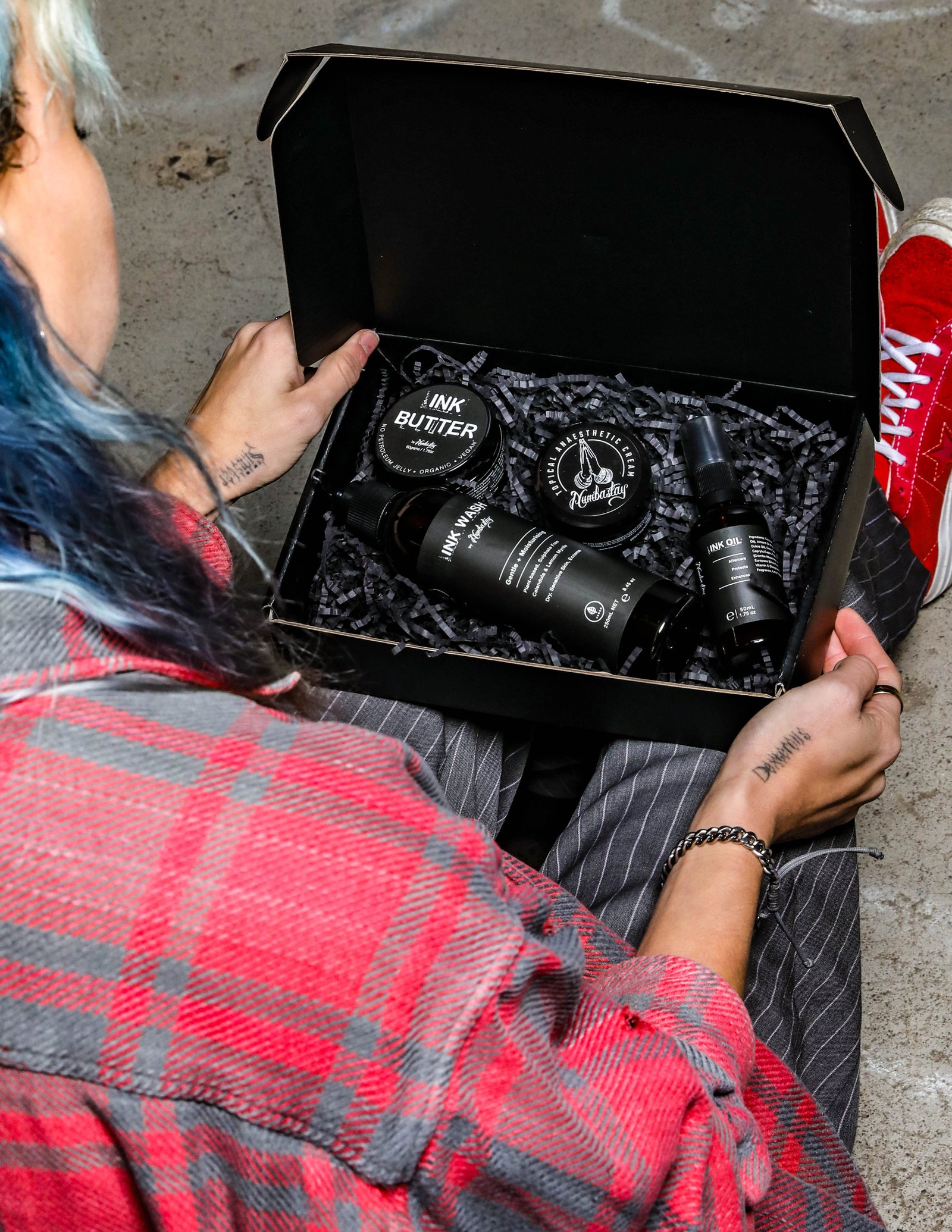
- Applying a quality numbing cream before tattoo removal can help make tattoo removal much more comfortable than without one.
Final Thoughts
Always check with the tattoo removal clinic or a medical professional before using topical numbing creams, especially if you have medical conditions or larger areas of treatment or sensitive skin.
Using topical numbing cream and following the protocol can make the removal process much more bearable, with better focus on the end result: cleared skin and fading ink.