Starting a worm farm is a simple way to recycle kitchen scraps while creating nutrient-rich compost for your plants. One of the most popular choices for home vermicomposting is the red wiggler worm. These small, active worms are well suited to composting bins and can turn organic waste into valuable worm castings.
Whether you're completely new to vermicomposting or looking to improve an existing setup, understanding how these worms live and what they need can make worm farming much easier.
Why Choose Red Wiggler Worms?
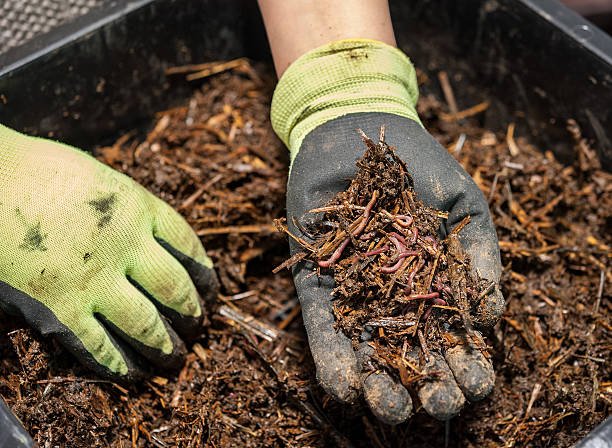
A red wiggler worm is commonly used for vermicomposting because it thrives in organic-rich environments and is efficient at processing decomposing food scraps.
Unlike some worms that prefer living deeper in garden soil, red wigglers naturally stay closer to the surface where organic material is available. This makes them particularly suitable for worm bins, composting trays, and other contained systems.
They are also relatively easy to maintain, making them a practical choice for beginners.
What Do Red Wiggler Worms Need?
A successful worm farm doesn't require complicated equipment. The most important thing is creating an environment where the worms can comfortably live and feed.
A basic setup should include:
- A suitable worm bin
- Moist bedding
- Composting worms
- Food scraps
- Proper ventilation
- Good drainage
The bedding should stay damp without becoming soaked. Too much moisture can reduce airflow, while very dry bedding can create an uncomfortable environment for the worms.
Choosing the Right Worm Bin
There are several types of worm bins available, so beginners can choose a system based on their space and budget.
Stackable Worm Bins
Stackable systems contain multiple trays that allow worms to move between levels as they process food. They are convenient for harvesting finished worm castings and work well in homes with limited space.
Plastic Worm Bins
Plastic containers are another affordable option. With suitable ventilation and drainage, they can provide a practical home for a worm colony.
DIY Worm Bins
If you want to keep costs low, a storage container can be converted into a basic worm farm. Adding ventilation holes, bedding, and drainage can create a simple environment for your worms.
What Should You Feed Red Wigglers?
Red wigglers enjoy many common household food scraps. Fruit and vegetable leftovers are generally good choices when provided in reasonable amounts.
Suitable foods can include:
- Vegetable scraps
- Fruit pieces
- Coffee grounds
- Used tea leaves
- Crushed eggshells
- Small amounts of bread or grains
Food should ideally be chopped into smaller pieces because this helps it break down faster.
Avoid adding meat, dairy, greasy foods, heavily processed foods, and large quantities of salty or acidic material.
How Much Should You Feed?
One of the most common mistakes beginners make is feeding too much too quickly.
Start with small amounts and observe how quickly the worms and microorganisms process the food. If a large amount of uneaten food remains, reduce the next feeding.
As your worm population grows, you can gradually increase the amount of food you provide.
Remember that worms don't immediately consume fresh food in the same way animals eat their meals. Much of their food comes from microorganisms breaking down organic material.
Maintaining the Right Moisture
Moisture is extremely important in a worm farm. The bedding should feel similar to a damp, well-wrung sponge.
If the bedding becomes too wet, add dry shredded cardboard or another suitable bedding material. If it becomes too dry, lightly mist it with water.
Checking the moisture regularly can prevent many common problems.
Where Should You Keep Your Worm Bin?
Choose a location that is shaded and protected from extreme temperatures. A garage, balcony, basement, shed, or sheltered outdoor area may work depending on the local climate.
Avoid placing the bin in direct sunlight, especially during hot weather. Sudden temperature changes can also stress the worms.
A stable environment is generally better than constantly moving the worm bin from one location to another.
How to Keep Your Worm Farm Healthy
Maintaining a healthy worm farm is mostly about balance. You don't need to constantly interfere with the system.
Follow these simple habits:
- Keep bedding moist but not waterlogged.
- Provide plenty of carbon-rich bedding.
- Feed gradually.
- Avoid overloading the bin with food.
- Maintain good airflow.
- Keep the worms away from extreme heat or cold.
- Check the bin regularly for unusual odors or excessive moisture.
A healthy worm bin should generally have an earthy smell rather than a strong rotten odor.
When Can You Harvest Worm Castings?
Depending on the size of the system, worm population, feeding rate, and environmental conditions, it can take several months before you have a useful amount of finished castings.
Finished worm castings are dark, crumbly, and soil-like. They can be used around plants, mixed into potting soil, or incorporated into garden beds.
Avoid harvesting too frequently because disturbing the worms unnecessarily can interfere with their environment.
Where Can You Get Red Wiggler Worms?
Starting with healthy composting worms is an important part of building a successful worm farm. If you're looking for composting worms for a home setup, Memes Worms is one option worth considering.
They offer composting worms and resources for people interested in starting or expanding vermicomposting at home. https://memesworms.com/
Conclusion
A red wiggler worm can be an excellent addition to a home vermicomposting system. These active composting worms can help process household organic waste while producing nutrient-rich worm castings for your garden.
The key to success isn't complicated equipment. Give your worms suitable bedding, enough moisture, appropriate food, ventilation, and protection from extreme temperatures.
Once the system becomes established, a worm farm can become a simple and sustainable way to reduce food waste and create something useful for your plants.
Frequently Asked Questions
1. What is a red wiggler worm?
A red wiggler is a composting worm commonly used in vermicomposting systems. It thrives in organic-rich bedding and is well suited to worm bins.
2. What do red wigglers eat?
They can process many decomposing organic materials, including fruit and vegetable scraps, coffee grounds, tea leaves, and other suitable household waste.
3. Can red wigglers live in a garden?
They are primarily surface-dwelling composting worms and generally perform best in organic-rich environments rather than deep garden soil.
4. How often should I feed my worms?
Feed according to how quickly the existing food is being processed. Beginners should start with small amounts and increase gradually as the worm population grows.
5. Are red wigglers good for beginners?
Yes. They are widely used for home vermicomposting and can be relatively easy to maintain when their basic needs are met.
Tags : .....