How Joint Health and Safety Committee Training Coquitlam Supports Safety
By JHSC Training BC 01-09-2026 5
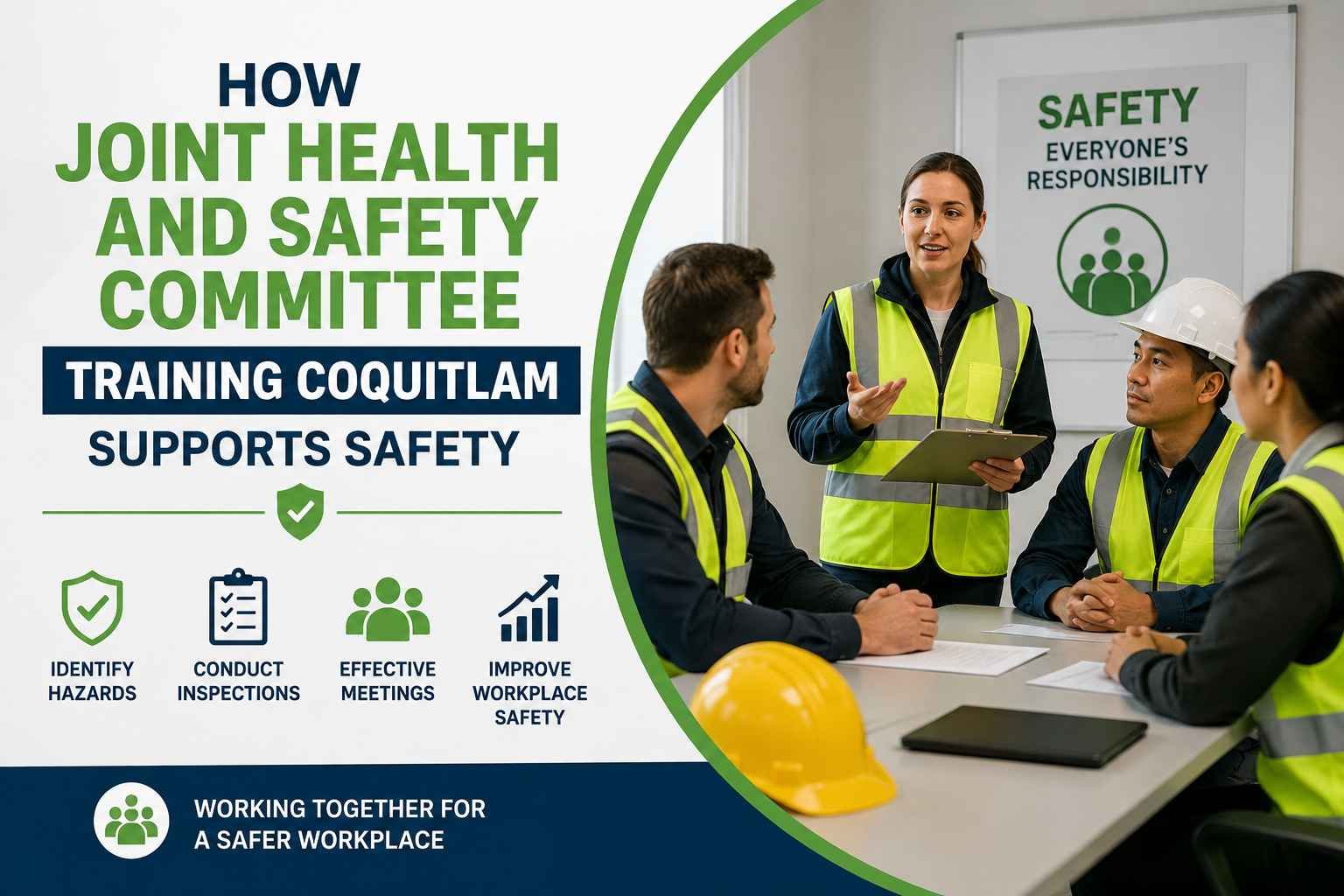
A safe workplace depends on more than written policies and safety equipment. It also requires people who understand how to identify concerns, communicate effectively and take part in improving workplace conditions. Joint Health and Safety Committees play an important role in this process by bringing employer and worker representatives together to discuss workplace health and safety.
For workplaces in Coquitlam, effective committee training can provide members with the knowledge and practical skills they need to participate confidently in safety activities. joint health and safety committee training Coquitlam helps committee members understand their responsibilities and apply safety principles to everyday workplace situations.
What Is a Joint Health and Safety Committee?
A Joint Health and Safety Committee is a group made up of employer and worker representatives who work together to promote workplace health and safety. The committee provides a structured way for workers and employers to discuss hazards, review safety concerns and recommend improvements.
Rather than waiting until an incident occurs, an effective committee can take a proactive approach. Members can review workplace conditions, identify potential hazards and encourage practical solutions.
The committee can also provide an important communication link between employees and management. Workers may notice hazards during their daily activities that are not immediately visible to supervisors or managers. A functioning committee gives those concerns a formal place to be discussed.
Why Committee Training Matters
Being appointed to a safety committee does not automatically mean someone knows how to perform the role effectively. Members may have different levels of workplace experience and may come from different departments or job functions.
Training helps establish a common understanding of committee responsibilities and procedures.
A useful program can help members learn how to:
- Recognize common workplace hazards
- Participate in workplace inspections
- Understand the incident investigation process
- Discuss and document safety concerns
- Make practical recommendations
- Participate effectively in committee meetings
- Understand procedures related to unsafe work
- Support ongoing workplace safety improvements
For employers, properly trained committee members can contribute to a more organized approach to workplace safety. For workers, training can provide greater confidence when raising concerns or participating in committee discussions.
Understanding Workplace Hazards
One of the most important roles of a committee is helping identify conditions that could cause harm.
Hazards can vary considerably between workplaces. A warehouse may have vehicle traffic, material-handling risks and storage concerns, while an office may have ergonomic issues, slips and falls or emergency-preparedness concerns. Manufacturing environments can involve machinery, chemicals, noise and other operational hazards.
Training can help committee members think beyond obvious hazards. They can learn to consider how equipment, work procedures, the physical environment and employee practices interact.
This broader perspective can make workplace inspections more useful. Instead of simply looking for visible problems, committee members can ask questions about how work is actually performed and whether existing controls are effective.
Supporting Effective Workplace Inspections
Workplace inspections are an important opportunity to identify hazards before they result in an incident.
Committee members who understand the inspection process can approach inspections in a consistent and organized way. They can observe work activities, review conditions and communicate concerns clearly.
Good inspection practices may include looking at:
- Work areas and access routes
- Equipment and machinery
- Storage and housekeeping
- Emergency equipment
- Personal protective equipment
- Workplace procedures
- Potential sources of injury or exposure
- Changes to work processes
The purpose is not simply to find faults. A constructive inspection should help the workplace understand what can be improved and what actions may reduce risk.
Learning From Incidents
Even with strong preventive measures, workplace incidents can happen. When they do, understanding what happened is essential.
Committee training can introduce members to the principles of incident investigation and help them understand why investigations should focus on underlying causes rather than simply assigning blame.
An effective investigation can consider questions such as:
- What happened?
- Where and when did it happen?
- What conditions existed at the time?
- Were established procedures followed?
- Were there equipment or environmental factors involved?
- What contributing factors should be addressed?
- What corrective actions could help prevent a similar occurrence?
The goal is to learn from the event and identify opportunities for improvement.
Improving Committee Meetings
Committee meetings are more valuable when members understand how to participate effectively.
Without a clear process, meetings can become focused on individual complaints or repetitive discussions. Training can help members understand how to organize topics, document concerns, review previous recommendations and follow up on outstanding items.
A productive meeting might include:
- Reviewing previous meeting items
- Discussing new workplace safety concerns
- Reviewing inspection findings
- Considering incident information
- Discussing recommendations
- Assigning follow-up actions
- Recording decisions and responsibilities
Clear communication helps ensure that important concerns do not disappear after the meeting ends.
Making Practical Recommendations
A committee's value is not only in identifying problems. It also involves considering reasonable ways to address them.
Members may recommend improvements involving workplace procedures, equipment, training, housekeeping, communication or other preventive measures.
Training can help committee members understand how to present recommendations clearly. A strong recommendation should explain the concern, provide useful supporting information and identify a practical improvement.
This approach can make discussions with management more productive because recommendations are based on identified workplace conditions rather than assumptions.
Understanding Unsafe Work Concerns
Workers may sometimes believe that a particular task or condition presents an unacceptable safety concern. Committee members should understand the applicable procedures for dealing with concerns about unsafe work.
Training can provide members with an understanding of the responsibilities involved and the importance of following established workplace and regulatory procedures.
This knowledge can help committee members respond calmly and consistently when safety concerns are raised. It also reinforces the importance of communication between workers, supervisors and employers.
Building a Stronger Safety Culture
Safety culture develops through everyday actions. It is influenced by how seriously workplace concerns are treated, how managers respond to recommendations and whether workers feel comfortable communicating hazards.
joint health and safety committee training Coquitlam can support this culture by giving committee members a shared foundation for discussing workplace safety.
When committee members understand their roles, they can become more effective participants in the workplace safety process. They can encourage employees to report hazards, support preventive measures and help keep safety discussions active throughout the year.
A strong committee should not operate separately from the rest of the workplace. Its activities should connect with supervisors, employees, management and existing safety programs.
Benefits for Coquitlam Workplaces
Coquitlam includes a wide range of workplaces, from offices and retail operations to construction, manufacturing, warehousing and service organizations. Each workplace has its own risks and operational challenges.
Because of these differences, committee training is most useful when members can relate the information to their actual working environment.
The benefits may include:
- Better understanding of committee responsibilities
- More consistent workplace inspections
- Improved communication about hazards
- Greater confidence during committee meetings
- More organized follow-up on safety concerns
- Better understanding of incident investigations
- Increased awareness of preventive safety practices
These benefits can contribute to a workplace where safety becomes part of regular operations rather than something addressed only after an incident.
Choosing the Right Training
When selecting joint health and safety committee training Coquitlam, employers and committee members should consider whether the program provides practical information that can be applied to their workplace.
A quality program should address the required committee topics while also helping participants understand how those responsibilities work in real situations. Practical examples, discussions and workplace-focused exercises can make the learning experience more meaningful.
It is also important for employers to ensure that committee members complete the training required under applicable British Columbia workplace safety requirements.
Turning Training Into Action
Completing training is only the beginning. The real value comes from applying what members learn.
After training, committee members can use their knowledge during inspections, meetings and workplace discussions. They can review existing safety practices, identify areas for improvement and follow up on recommendations.
Regular communication is especially important. Employees should know how to raise safety concerns and understand that those concerns will be considered through an established process.
Over time, these activities can help create a more proactive approach to workplace safety.
Conclusion
Joint Health and Safety Committees can play an important role in creating safer workplaces when members understand their responsibilities and actively participate in safety activities. Training provides the foundation for that involvement.
joint health and safety committee training Coquitlam can help committee members develop practical knowledge related to inspections, incident investigations, meetings, recommendations and workplace safety communication.
For employers and workers, the objective is not simply to complete a training requirement. The greater goal is to develop a committee that can identify concerns, communicate effectively and contribute to meaningful workplace improvements. When trained members work together with employees and management, the committee can become a valuable part of a proactive workplace safety program.
Ultimately, joint health and safety committee training Coquitlam supports safety by turning committee responsibilities into practical actions that can make a real difference in everyday workplace operations.
Tags : .....