Wood borers are a common concern in many Australian homes, particularly where timber structures are exposed to moisture and ageing conditions. After a professional wood borer treatment, it is important to take practical steps that reduce the chance of activity returning. Ongoing care plays a major part in keeping timber in good condition and limiting further damage.
Keep Timber Dry and Well Ventilated
Moisture is one of the main factors that attracts wood borers. Damp timber creates an ideal environment for larvae to develop. Ensure subfloors, roof voids, and wall cavities have adequate airflow. Fix leaking pipes, roofs, or gutters promptly. In areas such as coastal regions of Australia, humidity control is especially important.
Good ventilation helps timber stay dry, making it less appealing after a wood borer treatment. Installing vents or improving airflow beneath raised homes can make a noticeable difference.
Use Quality Timber and Finishes
If you are repairing or replacing timber, choose seasoned or treated wood suitable for Australian conditions. Applying paints, varnishes, or sealants adds a protective layer that reduces exposure to moisture and pests.
Timber finishes should be maintained over time. Cracks or worn coatings allow borers easier access, even after a recent wood borer treatment.
Schedule Regular Timber Inspections
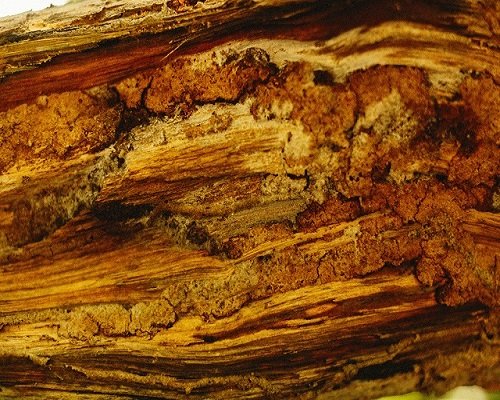
Ongoing inspections are essential. A trained technician can identify early signs of borer activity such as exit holes, frass (fine powder), or weakened timber.
In Australia, seasonal changes can affect timber condition. Scheduling inspections annually or as advised ensures any new activity is identified early, reducing the need for extensive repairs later.
Maintain Clean Surroundings
Wood borers can be attracted to untreated timber stored around the home. Firewood, old furniture, or timber offcuts should be kept away from the main structure. If stored, ensure these items are dry and checked regularly.
Keeping the surrounding area tidy reduces the chance of borers spreading from one timber source to another after a wood borer treatment.
Address Structural Issues Promptly
Damaged or decaying timber is more susceptible to infestation. Repairing structural issues quickly limits further risk. This includes replacing compromised beams, flooring, or decking before the damage worsens.
Australian homes, particularly older properties, may require periodic upgrades to maintain timber strength and reduce exposure.
Consider Ongoing Professional Support
While a single wood borer treatment addresses current activity, follow-up services can provide added reassurance. Professional pest control providers use targeted methods suited to the type of borer and level of infestation.
Regular servicing ensures timber remains under observation, especially in high-risk areas such as older homes or properties with a history of infestation.
FAQs
How long does a wood borer treatment last?
The duration varies depending on the timber type, extent of infestation, and environmental conditions. Regular inspections help assess ongoing risk.
Can wood borers return after treatment?
Yes, new infestations can occur if conditions such as moisture and untreated timber remain present.
What signs should I look for?
Small exit holes, powdery residue, and weakened timber are common indicators.
Is ongoing maintenance necessary?
Yes, maintaining timber condition and scheduling inspections reduces the likelihood of recurring issues.
Tags : .....