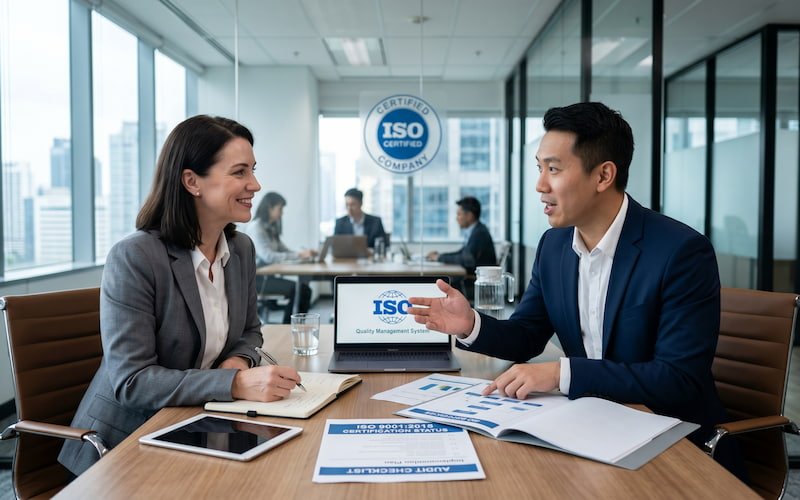
Preparing your organization for ISO certification is a strategic step toward improving quality, efficiency, and credibility. Whether you’re aiming to enhance internal processes or meet client expectations, understanding the ISO certification process steps is essential. Many businesses rely on expert iso certification services to navigate requirements, reduce errors, and accelerate readiness. However, success ultimately depends on how well your organization prepares internally.
This guide walks you through a practical, step-by-step approach to ensure your organization is fully ready for certification—without unnecessary stress or delays.
Understanding ISO Certification: What It Means for Your Business
ISO certification is a formal recognition that your organization meets international standards set by the International Organization for Standardization. These standards cover areas such as quality management, information security, environmental management, and more.
Why It Matters
Achieving certification offers several business advantages:
- Improved operational efficiency
- Enhanced customer trust and credibility
- Access to new markets and contracts
- Better risk management and compliance
- Consistent product and service quality
But these benefits only come when preparation is done correctly.
Step-by-Step Guide to Preparing for ISO Certification
1. Identify the Right ISO Standard
Start by determining which standard aligns with your business goals. Common options include:
- ISO 9001 – Quality Management
- ISO 27001 – Information Security
- ISO 14001 – Environmental Management
- ISO 45001 – Occupational Health & Safety
Choosing the right framework ensures your efforts are focused and relevant.
2. Conduct a Gap Analysis
A gap analysis helps you compare your current processes with ISO requirements.
Key objectives:
- Identify missing processes or controls
- Highlight areas of non-compliance
- Prioritize improvement actions
This step gives you a clear roadmap for what needs to be done.
3. Build a Strong Implementation Team
Certification is not a one-person task. You need a dedicated team responsible for implementation.
Include:
- A project leader (ISO coordinator)
- Department representatives
- Quality or compliance experts
Having cross-functional involvement ensures better adoption across the organization.
4. Develop Required Documentation
Documentation is the backbone of ISO compliance. You need to create structured, consistent, and clear documents.
Typical documents include:
- Policies and objectives
- Process procedures
- Work instructions
- Records and logs
Focus on clarity and usability rather than complexity. Over-documentation can slow down your team.
5. Train Employees and Build Awareness
Even the best systems fail without employee involvement.
Training should cover:
- Understanding ISO requirements
- Role-specific responsibilities
- Process changes and improvements
When employees understand the “why,” they are more likely to follow procedures effectively.
6. Implement the System Across the Organization
Once documentation and training are complete, it’s time to put your system into action.
Focus areas:
- Consistent process execution
- Monitoring performance metrics
- Recording evidence of compliance
Implementation is where theory turns into practice—so ensure active participation from all departments.
7. Conduct Internal Audits
Before the final certification audit, you must evaluate your readiness internally.
Internal audits help to:
- Identify non-conformities
- Test system effectiveness
- Prepare teams for external audits
Make audits constructive, not punitive. The goal is improvement, not fault-finding.
8. Perform Management Review
Leadership plays a critical role in ISO success.
During management review meetings:
- Evaluate audit results
- Assess performance metrics
- Approve improvements and corrective actions
Strong leadership involvement signals commitment and drives accountability.
9. Choose a Certification Body
Selecting the right certification body is crucial for credibility and long-term value.
Consider:
- Accreditation and reputation
- Industry experience
- Cost and audit approach
A reliable certification partner ensures a smooth and transparent audit process.
10. Prepare for the Certification Audit
The certification audit typically happens in two stages:
Stage 1: Documentation Review
- Evaluates readiness
- Identifies major gaps
Stage 2: Final Audit
- Assesses actual implementation
- Verifies compliance
Ensure all documents, records, and teams are fully prepared before this stage.
Common Challenges and How to Overcome Them
1. Resistance to Change
Solution: Communicate benefits clearly and involve employees early.
2. Lack of Expertise
Solution: Consider external consultants or training programs.
3. Poor Documentation
Solution: Keep documents simple, relevant, and accessible.
4. Time Constraints
Solution: Create a realistic timeline and assign responsibilities.
Benefits of Proper Preparation
Organizations that invest time in preparation experience:
- Faster certification approval
- Fewer audit non-conformities
- Stronger internal processes
- Better employee engagement
- Long-term business growth
Preparation is not just about passing an audit—it’s about building a sustainable system.
How to Choose the Right Certification Support
While internal preparation is key, external support can significantly improve efficiency.
Look for:
- Proven experience in your industry
- End-to-end support (documentation, training, audits)
- Transparent pricing
- Strong client reviews
Ask These Questions:
- What is your approach to implementation?
- Do you provide post-certification support?
- How do you handle audit preparation?
The right partner acts as a guide—not just a service provider.
Actionable Tips for Success
- Start early and plan realistically
- Focus on practical implementation, not just documentation
- Involve top management from the beginning
- Track progress with measurable goals
- Continuously improve—even after certification
Conclusion
Successfully preparing your organization for ISO certification requires a structured approach, strong leadership, and active employee involvement. By following the right steps—from gap analysis to audit readiness—you can streamline your journey and avoid costly mistakes.
Working with professional iso certification services can further simplify the process, ensuring compliance with all requirements while saving time and effort. Ultimately, understanding and executing the ISO certification procedure effectively will not only help you achieve certification but also strengthen your organization’s long-term performance and credibility.
Frequently Asked Questions
1. How long does it take to prepare for ISO certification?
It typically takes 3 to 6 months, depending on your organization’s size, complexity, and current processes.
2. Do small businesses need ISO certification?
Yes, small businesses can benefit significantly by improving efficiency, credibility, and customer trust.
3. Is ISO certification mandatory?
No, it is voluntary. However, many industries and clients require it as a standard.
4. Can we prepare for certification without consultants?
Yes, but it may take longer and require internal expertise. External support can speed up the process.
5. What happens after certification?
You must maintain compliance through regular audits and continuous improvement efforts.
Tags : ISO certification