Maintaining a comfortable indoor temperature during hot months is essential for both health and productivity. However, staying cool is only part of the equation. Equally important is the quality of the air you breathe indoors. Poor indoor air quality can cause a range of health problems, from mild allergies and fatigue to more serious respiratory issues. Fortunately, there are practical ways to keep your environment cool without compromising air quality. This article explores actionable strategies to achieve both.
Understanding Indoor Air Quality
Indoor air quality refers to the cleanliness and safety of the air within your home or office. Various pollutants can compromise it, including dust, mold, pet dander, pollen, volatile organic compounds (VOCs) from cleaning products, and even particles from cooking. Unlike outdoor air, which is often circulated naturally, indoor spaces can trap these pollutants, creating a potentially harmful environment.
Recognizing the symptoms of poor air quality is the first step toward improvement. Common signs include frequent headaches, dizziness, irritation of the eyes, nose, or throat, coughing, and worsening allergy or asthma symptoms. Some people may also notice unusual odors, excessive dust accumulation, or visible mold growth.
The Role of Cooling Systems in Air Quality
Air conditioning systems are essential for comfort, but they can also impact indoor air quality. Air conditioners help regulate temperature and humidity, both of which influence the presence of airborne particles and microbial growth. However, if a cooling system is poorly maintained, it can become a source of contamination rather than a solution.
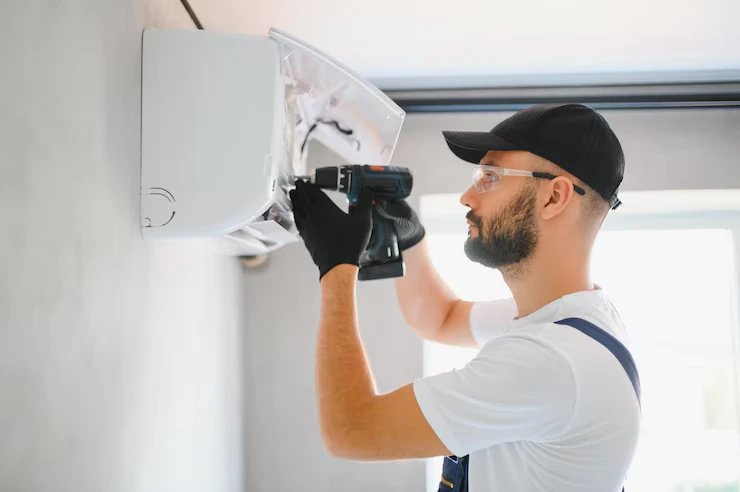
Regular maintenance, including cleaning filters and checking for mold or dust buildup, is crucial. Professional aircond services can help ensure that your system operates efficiently while minimizing the introduction of pollutants into your living spaces.
Ventilation: Bringing Fresh Air In
Proper ventilation is key to improving indoor air quality. Without fresh air exchange, pollutants accumulate, and indoor spaces can feel stale. Opening windows when outdoor air quality is good allows natural circulation. Exhaust fans in kitchens and bathrooms can remove humidity and cooking or cleaning fumes that would otherwise linger.
For homes or offices with centralized cooling systems, integrating an air exchange system is highly beneficial. These systems draw in fresh air from outside while expelling stale indoor air, maintaining both comfort and cleanliness.
Controlling Humidity Levels
High humidity levels encourage mold growth, dust mites, and bacteria, all of which degrade air quality. Conversely, very low humidity can dry out your respiratory tract and skin, making you more susceptible to infections. Ideally, indoor humidity should be maintained between 30% and 50%.
Air conditioners naturally reduce humidity as they cool the air, but additional measures can help. Dehumidifiers are effective in damp areas, and using moisture-absorbing materials like silica gel in closets or basements can prevent mold growth. Regularly checking for leaks or standing water is also essential in preventing moisture-related problems.
Choosing the Right Air Filters
Air filters are a frontline defense against indoor air pollutants. High-efficiency particulate air (HEPA) filters can capture tiny particles, including dust, pollen, and some bacteria. Carbon filters help reduce odors and VOCs. For those with allergies or asthma, investing in high-quality filters is a wise choice.
It’s not enough to have a filter in place; it must be cleaned or replaced regularly. A clogged filter restricts airflow, making your cooling system work harder while circulating dust and allergens. Professional aircond services can advise on the best filter types for your system and ensure timely replacements.
Regular Cleaning and Maintenance
Beyond air filters, the cleanliness of your environment directly affects air quality. Dust and dirt accumulate on surfaces, carpets, and curtains, eventually becoming airborne. Regular vacuuming, dusting, and laundering of fabrics help reduce these particles.
Carpets and upholstered furniture, in particular, can harbor allergens. Steam cleaning or professional cleaning services can remove deeply embedded dust and bacteria. Even seemingly minor areas, like ceiling fans, vents, and window blinds, should be cleaned frequently to prevent dust circulation.
Green Solutions for Air Quality
Houseplants are natural air purifiers. Species like spider plants, peace lilies, and Boston ferns can absorb certain toxins while releasing oxygen. However, it’s important to maintain plants properly to avoid mold growth in the soil.
Using natural cleaning products instead of harsh chemicals reduces VOCs in your home. Essential oils, vinegar, and baking soda are effective and safe alternatives for many household cleaning tasks.
Smart Cooling Habits
Your behavior can also impact air quality. Avoid blocking vents, as this disrupts airflow and can strain your system. Keep doors and windows closed while the air conditioner is running to prevent hot, polluted air from entering.
When cooking or using products that emit fumes, ensure proper ventilation. Even simple practices, like running a fan while cooking or showering, can significantly reduce humidity and odors.
Monitoring Indoor Air Quality
Investing in an indoor air quality monitor can help you understand the conditions in your space. These devices track particulate matter, carbon dioxide levels, humidity, and VOCs. Monitoring allows you to take proactive measures before issues become severe.
Some modern air conditioners and smart home systems integrate air quality sensors, automatically adjusting airflow and filtering to maintain healthy conditions. Coupling these technologies with professional aircond services ensures both cooling efficiency and a cleaner environment.
Benefits of Professional Assistance
While DIY maintenance is helpful, professional services are crucial for long-term air quality and system performance. Experienced technicians can inspect components for hidden mold, clean hard-to-reach parts, and recommend improvements such as advanced filtration or ventilation enhancements.
Scheduling regular maintenance not only preserves the life of your cooling system but also ensures that the air you breathe is as clean as possible. Many homeowners overlook these details, but addressing them can significantly improve both comfort and health.
Creating a Long-Term Plan
Improving indoor air quality while staying cool is not a one-time effort. It requires a combination of consistent habits, smart technology, and professional support. Start by assessing your current air quality, maintaining your cooling system, and integrating smart ventilation solutions. Combine this with regular cleaning, proper humidity control, and healthy lifestyle practices to achieve sustainable results.
Over time, these small but consistent efforts add up, leading to a home or office environment that supports your well-being, productivity, and comfort.
Conclusion
Balancing indoor comfort with clean air is entirely achievable with the right approach. By understanding the factors that affect air quality, maintaining cooling systems, and adopting simple yet effective strategies, you can enjoy a cool, healthy environment year-round.
Incorporating professional aircond services ensures that your system runs efficiently while minimizing pollutants. Combined with proper ventilation, filtration, humidity control, and regular cleaning, these measures create a space that is both comfortable and safe. Prioritizing air quality is an investment in your health and quality of life, and it’s a step every homeowner or office manager should take seriously.
Tags : aircond services