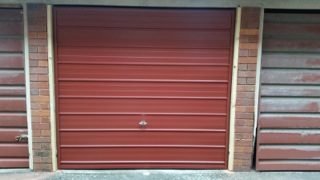
A garage door is the most practical and often overlooked element of a property. It provides security, enhances your home’s appearance, and contributes to daily convenience. With multiple options available, selecting the right one can be a challenge. The best garage door is not only attractive; it’s the one that meets your needs for functionality, safety, durability, and design.
This article outlines key factors to consider when choosing the best garage door for your home, including materials, insulation, safety, and maintenance.
Identify Your Needs
Before exploring designs or brands, assess how you use your garage. Is it mainly for vehicle storage, or does it serve as a workspace or storage area? Your answer determines what type of garage door will suit your lifestyle best.
For instance, if you spend time working in your garage, insulation and noise reduction will be important. If the garage is highly visible from the street, appearance becomes a priority. For business owners or property managers, durable and low-maintenance solutions such as commercial roller doors in Sydney are ideal. These doors are designed for frequent use and long-term reliability.
Select the Right Material
The material of your garage door affects its performance, appearance, and maintenance needs. Below are the most common options:
- Steel: Strong, affordable, and available in many finishes. Steel doors offer excellent durability but may dent and require rust protection over time.
- Aluminium: Lightweight and resistant to rust, making it suitable for modern homes and coastal environments. Aluminium doors provide limited insulation and can be more prone to dents.
- Timber or Timber-Look: Offers a timeless, elegant aesthetic but requires regular maintenance to prevent warping or fading. Timber-look steel doors offer similar charm with less upkeep.
When choosing a material, consider your climate, budget, and how much maintenance you’re willing to manage.
Consider Insulation and Energy Efficiency
Insulated garage doors provide significant benefits if your garage is attached to your home. They help regulate indoor temperature, improve energy efficiency, and reduce noise from outside and within the garage.
Double-skinned doors filled with polyurethane or polystyrene insulation are common and effective options. The ideal insulation level depends on your local weather and the purpose of your garage.
Focus on Design and Style
While functionality is critical, aesthetics also play an important role. A garage door dominates the front of a home, meaning its design contributes to curb appeal.
Common styles include:
- Sectional Doors: Composed of panels that lift vertically, suitable for most homes.
- Roller Doors: Roll up neatly into a compact drum above the opening, ideal for limited spaces.
- Custom Designs: Perfect for unique architectural requirements or modern façades.
Neutral tones such as white, beige, or grey offer timeless appeal, while darker or bolder shades can make a statement when paired with modern architecture.
Prioritise Safety and Security
A quality garage door enhances not only convenience but also home security. Modern garage doors feature advanced locking mechanisms, motion detectors, and rolling-code technology, which changes the access code with every remote use to prevent unauthorised entry.
If you have young children or pets, choose doors equipped with auto-reverse sensors that stop operation if an obstruction is detected. Safety features like these are essential and should not be overlooked during selection.
Ensure Professional Installation
Even the best garage door requires professional installation to function correctly and safely. These systems involve heavy components and high-tension springs that demand expert handling.
Professional installers ensure correct alignment, balance, and sealing, which affect performance and longevity. In metropolitan areas, working with specialists who handle residential and commercial roller doors in Sydney is recommended. They understand regional building standards and can provide ongoing support after installation.
Plan for Maintenance
Regular maintenance extends the lifespan of your garage door and prevents costly repairs. Basic upkeep includes:
- Cleaning the door surface to remove dust and debris.
- Lubricating hinges, rollers, and tracks to ensure smooth operation.
- Checking for signs of wear on cables, springs, and seals.
If you notice any unusual sounds or uneven movement, contact a professional technician. Timely maintenance can prevent small issues from developing into major problems.
Evaluate Cost and Long-Term Value
Garage doors vary widely in price depending on material, insulation, size, and technology. While cost is an important factor, it should not be the only one. Cheaper options may seem appealing, but lead to higher maintenance or earlier replacement.
Investing in a high-quality garage door offers better value over time, providing greater durability, efficiency, and security. Consider it a long-term improvement rather than a short-term expense.
Conclusion
Choosing the best garage door requires balancing practicality, style, and quality. It’s not about selecting the most expensive option, but the one that fits your needs and adds genuine value to your property.
A well-chosen door enhances security, convenience, and the visual appeal of your home. By considering factors like material, insulation, safety, and installation, you can make an informed decision that lasts for years.
Whether you’re upgrading an existing door or installing one for a new build, take the time to research, consult professionals, and invest wisely. The right garage door not only completes your home, it protects it, simplifies your routine, and leaves a lasting impression every time you return.