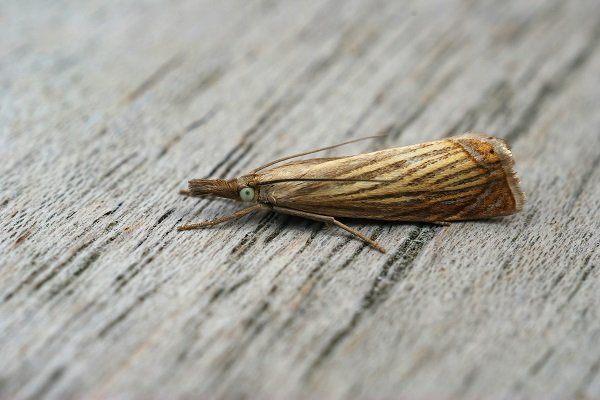
Silverfish are small, wingless insects often found in Australian homes, especially in bathrooms, kitchens, laundries, roof voids, and storage areas. They thrive in dark, damp spaces and feed on paper, fabrics, glue, and food crumbs. While they do not bite, they can damage books, clothing, wallpaper, and pantry items.
Many homeowners search for How To Get Rid of Silverfish after noticing them darting across floors at night. Understanding why they are in your home and what attracts them is the first step towards long-term control.
Why Silverfish Are Common in Australian Homes
Australia’s climate creates ideal conditions for silverfish. Humid air, warm temperatures, and older homes with small gaps and moisture build-up give them perfect hiding places.
They are most active at night and often remain unseen during the day. By the time you notice them, there may already be a well-established population living inside wall cavities, cupboards, or ceiling spaces.
What Attracts Silverfish Indoors
Silverfish look for three main things: moisture, food sources, and shelter.
Leaking pipes, poor ventilation, and condensation around windows create damp areas they prefer. Paper, cardboard boxes, books, stored clothing, and pantry goods provide a steady food source. Cracks in walls, skirting boards, and roof voids offer safe harbourage where they can breed undisturbed.
Removing these attractants is important when addressing How To Get Rid of Silverfish.
Signs You Have a Silverfish Problem
You may notice:
Small holes in clothing, books, or paper items
Yellowish stains on fabrics or stored papers
Tiny black droppings that resemble pepper
Silverfish seen running quickly across floors at night
These signs often appear in wardrobes, linen cupboards, bookcases, and storage boxes.
Why Silverfish Are Difficult to Control Without Professional Help
Silverfish hide deep inside cracks, wall cavities, insulation, and roof spaces. Surface cleaning or occasional sprays rarely reach the areas where they live and breed.
They can survive for long periods without food and are highly resilient in humid conditions. This is why infestations often return when only basic measures are taken.
Professional pest control focuses on locating harbourage areas and applying targeted treatments where silverfish are active.
The Role of Moisture Control
Managing moisture inside the home plays a big part in reducing silverfish activity. Ventilating bathrooms and laundries, fixing leaks, and reducing humidity in storage areas makes the environment less suitable for them.
While this helps, it does not remove established infestations hidden inside structural areas of the home.
How Professional Silverfish Control Works
When addressing How To Get Rid of Silverfish, a licensed technician will inspect areas where silverfish are commonly found, including roof voids, subfloors, cupboards, and wall edges.
Targeted treatments are applied to cracks, crevices, and hidden spaces where silverfish shelter. These treatments are designed to reach areas that general household cleaning does not.
A professional service also identifies conditions around the home that may be encouraging silverfish activity and provides guidance on reducing these risks.
Why Silverfish Often Return After DIY Attempts
Many people try store-bought sprays or home methods when first seeing silverfish. These may kill a few visible insects but do not reach the colony hidden out of sight.
Without addressing nesting areas and breeding sites, the problem continues. This leads to repeated sightings and ongoing damage to household items.
This is why ongoing sightings are common in homes where the source has not been properly treated.
FAQs About How To Get Rid of Silverfish
Are silverfish harmful to people?
They do not bite or spread disease, but they damage fabrics, paper goods, and pantry items.
Where are silverfish usually found?
Bathrooms, kitchens, laundries, roof voids, wardrobes, and storage boxes are common locations.
Do silverfish mean my home is unclean?
No. They are attracted to moisture and hiding places rather than dirt.
How long does professional treatment take?
Most services take under two hours, depending on property size and access.
Will silverfish go away on their own?
Unlikely. They continue breeding in hidden areas if left untreated.