In today’s fast-paced financial ecosystem, securing immediate funds through a personal loan has become a seamless process, especially with digitized identification methods. The Aadhaar card, India's universal identity document, plays a pivotal role in simplifying loan applications. Whether you're facing an urgent medical expense or purchasing a household item, your Aadhaar card can act as a gateway to obtaining financial assistance quickly and efficiently.
In this article, we'll guide you step by step on how to avail a personal loan using your Aadhaar card. We'll also explore alternatives if your Aadhaar card is lost and share tips for securing a hassle-free loan experience.
What is a Personal Loan?
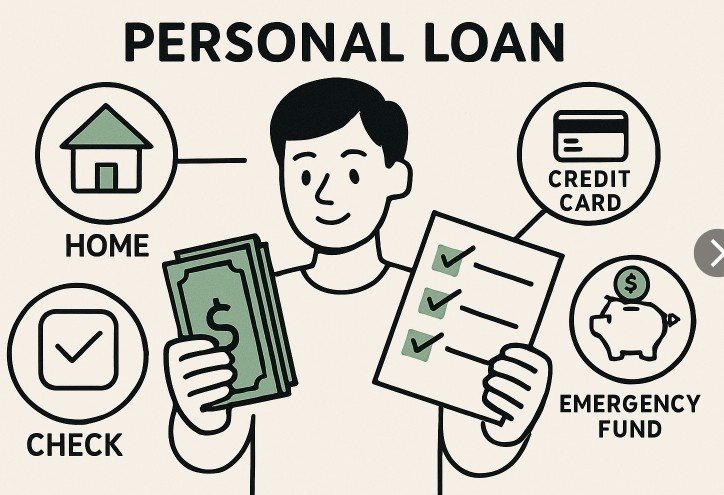
Before diving into how the Aadhaar card facilitates personal loans, let’s first clarify what a personal loan is. A personal loan is an unsecured loan that you can borrow from banks, non-banking financial companies (NBFCs), or digital lending platforms for meeting financial requirements. Unlike secured loans, personal loans don’t require collateral, making them highly accessible. The loan tenor, interest rate, and repayment terms can vary, depending on the lender.
Personal loans are popular for purposes such as consolidating debt, funding weddings, planning vacations, or addressing emergencies. With Aadhaar card-based verification, you can bypass lengthy documentation and get your application approved within hours. personal loan aadhaar card.
Why is Your Aadhaar Card Crucial for Loan Approval?
The Aadhaar card is a unique 12-digit identification number issued by the Unique Identification Authority of India (UIDAI). It serves as a proof of identity and address and comes equipped with biometric data. Here’s why lenders prefer using Aadhaar for personal loans:
- Simplified Verification Process: Financial institutions can verify your identity and address instantly through Aadhaar-based e-KYC (Know Your Customer).
- Minimized Documentation: Using Aadhaar reduces the need for traditional paperwork such as utility bills, voter ID cards, and other proofs.
- Quick Processing: Aadhaar authentication expedites the loan approval process, making the funds available faster.
- Universal Acceptance: Aadhaar is widely accepted across India, making it easier for lenders to trust the authenticity of the applicant's details.
Steps to Get a Personal Loan Using Your Aadhaar Card
Step 1: Check Your Eligibility
Before applying for a personal loan, it’s essential to check whether you meet the lender’s eligibility criteria, which typically includes:
- Minimum age (usually 21 years) and maximum age at loan maturity (generally 60 years).
- Steady income source (salaried or self-employed).
- CIBIL score above 700, indicating good credit history.
- Indian residency status confirmed through Aadhaar or other documents.
Step 2: Select the Right Lender
Research various banks, NBFCs, and online lending platforms before starting your application process. Compare their interest rates, processing fees, prepayment penalties, and loan tenures. Many lenders now offer Aadhaar-based digital loans, where the entire process is completed online without requiring physical documents. Choose a lender that aligns with your needs.
Step 3: Submit Your Loan Application
Once you’ve found the right lender, visit their website/mobile app or branch office to apply. Use your Aadhaar card for instant e-KYC verification. During the application, you'll need to:
- Provide personal details such as name, contact number, and address.
- Share Aadhaar card number for identification purposes.
- Mention loan requirements such as the principal amount and your preferred tenure.
Step 4: Complete Aadhaar e-KYC Verification
The lender will conduct an Aadhaar e-KYC to authenticate your identity. This is a digital verification process where the Aadhaar database is accessed through UIDAI for:
- Validating your demographic details (such as name and address).
- Verifying your biometric information like fingerprints or iris scans for added security.
This step significantly minimizes the time required to verify your documentation.
Step 5: Upload Supporting Documentation
While Aadhaar simplifies the eligibility checks, additional documents may be required based on your income and creditworthiness. These include:
- Salary slips or income tax returns (ITR) for assessing financial stability.
- Bank statements for confirming savings and expenses.
Ensure all documents are accurate and up-to-date to avoid delays.
Step 6: Await Loan Approval
Once you submit your application, your lender will evaluate your credit score, verify submitted documents, and assess your repayment capacity. If everything checks out, you'll receive loan approval swiftly. Some lenders even disburse funds within 24 hours.
What to Do If Your Aadhaar Card is Lost?
Losing your Aadhaar card should not hinder your ability to apply for a personal loan. UIDAI offers multiple avenues to recover your Aadhaar details, ensuring you can proceed with your application Aadhaar card lost.
Steps to Recover a Lost Aadhaar Card or Number:
- Retrieve Lost Aadhaar Online: Visit the UIDAI website. Go to the “Retrieve Lost UID/EID” section, enter details like name, registered mobile number, and email address, and verify with OTP. Your Aadhaar number will be sent via SMS or email.
- Download e-Aadhaar: If your physical Aadhaar card is lost, you can download an e-Aadhaar card directly from the UIDAI portal using your Aadhaar number or Enrollment ID.
- Contact the Aadhaar Enrolment Centre: If you need a physical copy of your card, visit the nearest Aadhaar enrolment center for assistance.
- Call UIDAI’s Helpline: You can reach UIDAI’s customer care helpline toll-free at 1947 for guidance on recovering your Aadhaar details or updating any lost information.
Alternatives for Loan Approval Without Aadhaar Card
While Aadhaar is the most convenient and widely accepted document for personal loan applications, you can use alternatives such as:
- Passport
- Voter ID card
- Driving license
- PAN card
These documents can supplement identification and address verification requirements.
Benefits of Using Aadhaar for Personal Loans
Utilizing your Aadhaar card simplifies the personal loan application in many ways:
- Instant Verification: E-KYC minimizes time spent on physical vetting and processing.
- Paperless Process: No physical documents are required as Aadhaar details are verified digitally.
- Faster Disbursement: With quicker approvals, the loan amount is processed in a matter of hours or a few days.
- Accessibility for All: Aadhaar-based loans are accessible even in rural and semi-urban areas due to widespread Aadhaar penetration.
Key Considerations During the Application
When applying for a personal loan using your Aadhaar card, keep the following in mind:
- Always ensure your Aadhaar details are updated (address, mobile number, etc.) on the UIDAI database.
- Maintain a high credit score by paying other debts on time and avoiding defaults.
- Compare lenders based on interest rates, EMI options, and processing fees to get the best deal.
- Avoid disclosing sensitive Aadhaar details on unsecured platforms to protect against fraud.
- Keep your Aadhaar number handy, but memorize or save it securely for added convenience.
Conclusion
Getting a personal loan using your Aadhaar card is not only simple and fast but also highly secure. With the digitized e-KYC verification process, Aadhaar has become indispensable for personal loan applications in India. Even if you face the issue of an Aadhaar card lost, UIDAI offers quick resolutions to retrieve your details, ensuring your financial opportunities are not impacted.
Always make sure to approach trustworthy lenders who prioritize data security. By following these steps and maintaining financial discipline, you can leverage your Aadhaar card to secure a personal loan that meets your short-term or long-term needs effortlessly.
Embrace the convenience of Aadhaar-based lending and take charge of your financial well-being today!
Tags : personal loan aadhaar card