How to Create a Successful Social Media App: Features, Cost, and Development Guide?
By James Wood 04-09-2025 521
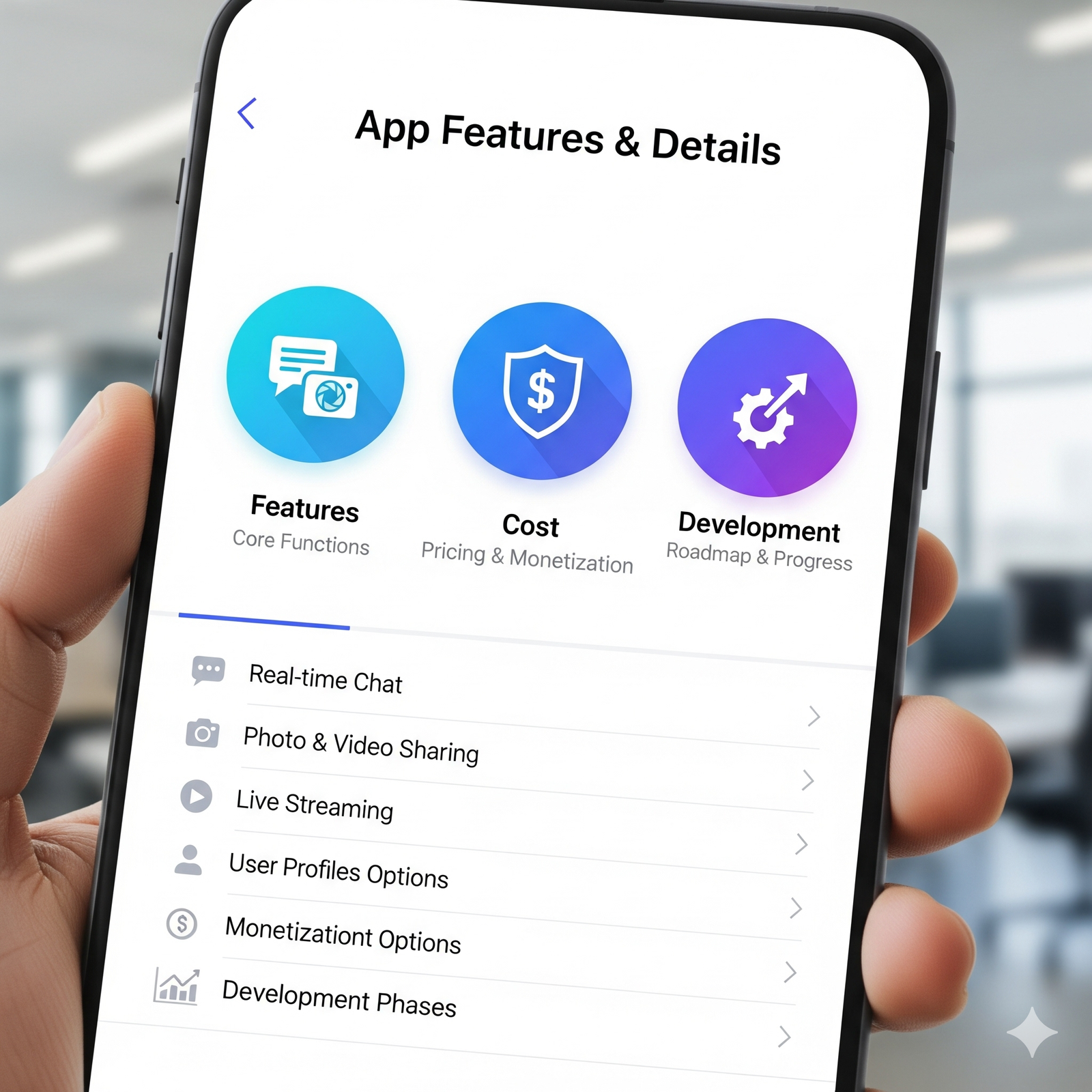
Building a social media app can be an exciting and profitable venture, but it requires careful planning, the right features, and expert development. From the initial concept to launching your app on app stores, the process involves several stages of development, including technical, design, and business considerations. In this comprehensive guide, we will break down the steps to build a social media app, key features to include, the costs involved, and development tips to help you succeed.
Step 1: Understanding the Social Media App Market
Before diving into development, it’s crucial to understand the landscape of social media apps. Whether you're looking to build a platform like Instagram, TikTok, or something niche, the social media app market is competitive. Your app needs to offer value to users while addressing specific pain points that existing platforms do not.
To ensure success, your app should focus on solving a problem or providing an innovative feature that will set it apart from the competition. This could range from providing a safer environment for users, more robust privacy controls, unique content-sharing features, or integrating emerging technologies like AR or blockchain.
Step 2: Essential Features for Your Social Media App
When you decide to build a social media app, you need to carefully consider the features that will make your platform appealing, engaging, and easy to use. Below are the key features you should include:
1. User Profile and Registration
Sign-Up and Login: Provide multiple registration options such as email, phone number, or social media integration (e.g., Google, Facebook).
User Profile: Allow users to customize their profiles with photos, personal information, and bios.
2. Content Sharing
Text, Photos, and Videos: Enable users to share text-based posts, images, and videos with their followers.
Hashtags and Mentions: Help users categorize their content for better discoverability.
3. Feeds and Content Discovery
Newsfeed: A personalized feed where users can view posts from people they follow.
Explore/Search Function: Users should be able to search for content, hashtags, or other users easily.
4. Real-Time Messaging
Direct Messaging (DMs): Users should be able to send private messages, images, and videos to others.
Group Chats: Enable users to create and manage group conversations.
5. Notifications
Push Notifications: Notify users of new messages, likes, comments, and friend requests.
Email and SMS Notifications: Additional ways to keep users engaged with your platform.
6. Geolocation Features
Location Sharing: Users can tag their locations in posts or in their profile, offering a more personalized experience.
Nearby Content: Show users nearby posts and people based on geolocation.
7. Security and Privacy Controls
Data Encryption: Protect user data with strong encryption methods.
Privacy Settings: Let users control who can view their content and interact with them.
User Authentication: Add security features like two-factor authentication to protect accounts.
8. Monetization Options
In-App Purchases: Offer premium features or content for a fee.
Subscription Plans: Implement a freemium model with both free and paid subscription options.
Ads: Include display ads or sponsored content if you want to monetize through advertisements.
9. Analytics
User Analytics: Track user activity, content engagement, and demographic data.
Content Performance: Monitor the most shared or liked content to improve the platform.
10. eWallet Integration (Optional)
eWallet Features: As an emerging trend in social media apps, integrating eWallet functionality can allow users to make in-app purchases, send money to other users, and make payments for premium features. Partnering with an eWallet app development company can help you implement this feature smoothly.
Payment Gateway Integration: Choose reliable payment systems like Stripe or PayPal for seamless transactions.
Step 3: Choosing the Right Technology Stack
The technology stack you choose will have a significant impact on your social media app's performance, scalability, and security. Here's a breakdown of the core technologies you might consider:
1. Frontend Development
React Native or Flutter for cross-platform development.
Swift for iOS development.
Kotlin for Android development.
2. Backend Development
Node.js or Django for handling the server-side logic.
Python or Ruby on Rails for robust and scalable backend architecture.
Firebase for real-time database capabilities.
3. Database
MongoDB or PostgreSQL for database management.
AWS DynamoDB for cloud storage solutions.
4. Real-Time Features
WebSockets or Socket.io for real-time messaging and notifications.
5. Cloud Services
Amazon Web Services (AWS) or Google Cloud for hosting your app.
Firebase Cloud Messaging (FCM) for push notifications.
6. Security
JWT (JSON Web Tokens) for authentication and authorization.
SSL encryption to protect data during transmission.
Step 4: Cost of Social Media App Development
The cost to build a social media app can vary widely based on several factors such as features, platform choice (iOS, Android, or both), location of the development team, and the complexity of the app.
1. Design and Planning Phase
Cost: $5,000 to $20,000
During this phase, you will define the features, user interface, and user experience design of the app.
2. Development Phase
Cost: $30,000 to $150,000
The majority of the budget will go into the actual development of the app, including backend setup, mobile app development, and integrating the necessary features.
3. Testing and Launch
Cost: $5,000 to $15,000
This phase involves testing the app for bugs, optimizing performance, and ensuring it's ready for launch.
4. Maintenance and Updates
Cost: $2,000 to $10,000 per month
Post-launch support for updates, bug fixes, and adding new features.
Overall, the total cost can range anywhere from $50,000 to $300,000 or more, depending on the complexity and features of the app.
Step 5: Choosing a Development Team
Selecting the right team is crucial for your success. You can either hire an in-house team or work with a social media app development company. A reliable development company will guide you through every step, from ideation to post-launch support.
If you want to integrate eWallet features or provide secure in-app transactions, consider partnering with an eWallet app development company. They specialize in creating secure and compliant payment systems for apps, making it easier to handle financial transactions within your social media platform.
Conclusion
Creating a successful social media app requires more than just technical expertise. It demands a clear understanding of user needs, a focus on the right features, and a solid development strategy. By integrating innovative technologies, ensuring high levels of security, and keeping user engagement at the forefront, you can build a social media app that stands out in a competitive market.
With the right development team, a well-thought-out plan, and a focus on user experience, you can create a social media platform that attracts and retains users, creating a space for online interaction, content sharing, and monetization.
Start your journey today and remember to focus on scalability, security, and user engagement. Good luck with your social media app development!