A healthy gut is key to overall well-being. The foods you eat directly influence your digestion, immunity, energy, and even mood. Creating a gut-friendly diet plan doesn’t have to be complicated—it's about making small, sustainable choices that suit your body and lifestyle. Whether you’re aiming to heal your gut or prevent digestive discomfort, this guide will walk you through the process. Trusted healthcare centers like sids hospital surat and experts such as a dr nisharg patel can provide tailored guidance, but here’s a practical, easy-to-follow plan you can start today.
🥦 Why Gut Health Matters
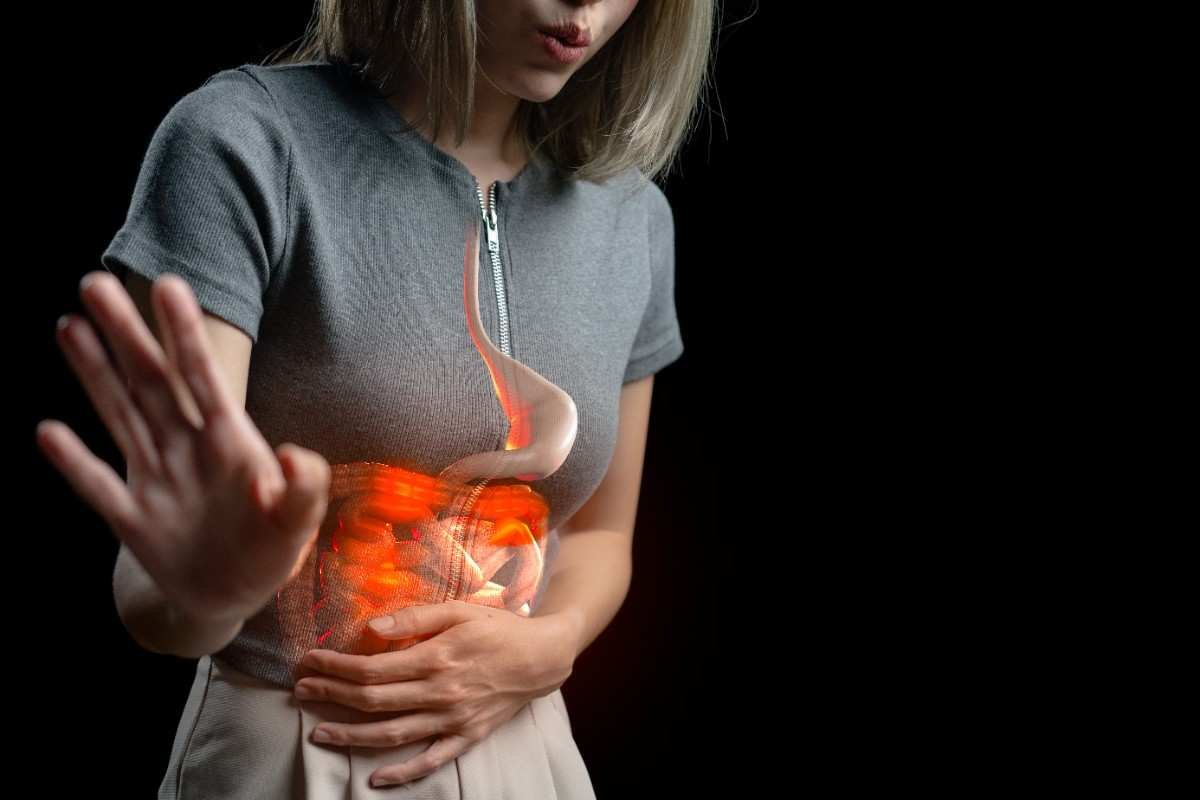
Your gut hosts trillions of bacteria, known as the gut microbiome, which help digest food, absorb nutrients, and protect you from harmful pathogens. A poor diet, stress, or certain medications can disrupt this balance, leading to bloating, constipation, or other digestive problems.
🧾 Steps to Create Your Gut-Friendly Diet Plan
1️⃣ Identify Your Triggers
- Keep a food diary for a week to track what causes bloating, cramps, or acidity.
- Common triggers include spicy foods, fried items, processed snacks, and excessive caffeine.
2️⃣ Prioritize High-Fiber Foods
Fiber is essential for smooth digestion and maintaining healthy gut bacteria.
- Include whole grains like oats, quinoa, and brown rice.
- Eat fiber-rich fruits like apples, bananas, and berries.
- Add vegetables like spinach, broccoli, and carrots to your meals.
3️⃣ Add Probiotics and Prebiotics
- Probiotics: Yogurt, kefir, kimchi, and sauerkraut supply healthy bacteria.
- Prebiotics: Garlic, onions, bananas, and asparagus feed those good bacteria.
4️⃣ Stay Hydrated
Water keeps your digestive system running smoothly. Aim for at least 8 glasses a day. Herbal teas like chamomile or peppermint can also soothe the stomach.
5️⃣ Choose Lean Proteins and Healthy Fats
- Opt for lean meats like chicken or turkey and plant-based proteins like lentils.
- Include healthy fats from avocados, nuts, and olive oil.
6️⃣ Limit Processed Foods and Sugar
High-sugar and processed foods can disrupt your gut microbiome. Replace them with fresh, whole foods.
7️⃣ Eat Smaller, Frequent Meals
Large meals can overload your digestive system. Eating smaller portions more often reduces stress on your gut.
8️⃣ Practice Mindful Eating
Chew food thoroughly and eat without distractions. Mindful eating improves digestion and nutrient absorption.
9️⃣ Incorporate Fermented Foods
Fermented foods are natural sources of probiotics:
- Include miso soup, kombucha, or tempeh in your meals.
🔟 Balance Your Diet With Variety
A diverse range of foods ensures your gut bacteria thrive. Rotate fruits, vegetables, and protein sources to keep your gut microbiome strong.
🍎 Sample Gut-Friendly Meal Plan
- Breakfast: Oatmeal with bananas and a spoonful of yogurt.
- Mid-Morning Snack: A handful of almonds and a glass of coconut water.
- Lunch: Grilled chicken or tofu with quinoa and steamed broccoli.
- Snack: Apple slices with peanut butter.
- Dinner: Lentil soup with leafy greens and whole-grain bread.
✅ Additional Tips for Gut Health
- Get regular exercise—even a 30-minute walk daily helps.
- Manage stress with meditation, yoga, or deep breathing.
- Avoid unnecessary antibiotics, as they can disturb gut bacteria.
- Get enough sleep, as poor rest can disrupt digestion.
❓ Frequently Asked Questions
Q1. How long does it take to improve gut health?
A: You may start noticing small changes in 2–4 weeks, but long-term gut health requires consistent effort and a balanced diet.
Q2. Can I take probiotic supplements instead of fermented foods?
A: Yes, but natural probiotics from food sources are often better absorbed. Consult a healthcare provider if you consider supplements.
Q3. Should I avoid all fats for gut health?
A: No. Healthy fats like olive oil, nuts, and avocados are beneficial. It’s processed and fried fats that can harm your gut.
Q4. Does exercise really affect gut health?
A: Absolutely. Physical activity improves digestion, reduces bloating, and supports a healthy microbiome.
🌿 Final Thoughts
Creating a gut-friendly diet plan isn’t about strict rules—it’s about understanding your body and making choices that help your digestive system thrive. By focusing on whole foods, fiber, hydration, and probiotics, you’ll strengthen your gut microbiome and feel more energized. If digestive problems persist or worsen, seek advice from trusted specialists or hospitals in your area like sids hospital surat for professional support.
Taking small steps today can lead to a healthier gut and better overall well-being tomorrow.
Tags : health