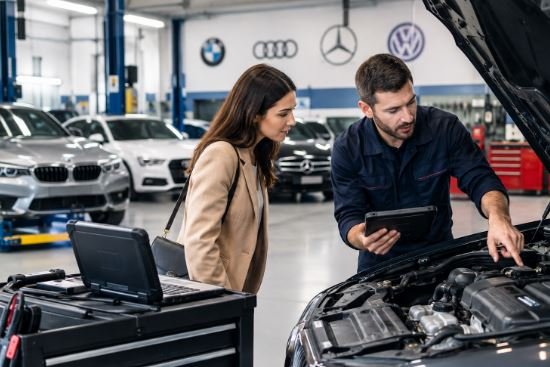
European cars are known for their advanced engineering, refined performance, safety features, and premium driving experience. Brands such as BMW, Audi, Mercedes-Benz, Volkswagen, Volvo, and MINI use sophisticated mechanical and electronic systems that often require specialised knowledge when servicing or repairing them. Choosing the right European car repair specialist can therefore make a significant difference to your vehicle’s reliability, performance, and long-term ownership costs.
With many workshops offering general automotive services, it can be difficult to know which repairer is genuinely equipped to work on European vehicles. The cheapest option is not always the best option, particularly when a technician needs specialist diagnostic equipment, manufacturer-specific knowledge, and experience with complex European systems. Here are some important factors to consider when selecting a European car repair specialist in Croydon.
Look for European Vehicle Experience
The first thing to consider is the workshop's experience with European vehicles. Different manufacturers use different engine designs, transmission systems, electrical architectures, and diagnostic technologies. A mechanic who regularly works on European cars is more likely to understand the common faults and technical requirements associated with these vehicles.
Ask whether the workshop has experience servicing your particular make and model. For example, if you own an Audi, BMW, or Mercedes-Benz, find out whether the technicians regularly work with that brand. Experience can help a technician identify problems more efficiently and reduce the risk of unnecessary repairs.
Check Diagnostic Equipment and Technology
Modern European vehicles rely heavily on electronic control systems. Engine management, transmission control, braking systems, airbags, suspension, climate control, and other components can all be monitored by onboard computers.
A suitable repair specialist should have professional diagnostic equipment capable of communicating with your vehicle's systems. Basic code readers may identify a fault code, but professional diagnostic equipment can provide more detailed information and help technicians investigate the underlying cause.
Before booking a repair, ask the workshop what diagnostic equipment they use and whether it supports your vehicle. The ability to properly diagnose an issue can prevent unnecessary parts replacement and save money over time.
Consider Technician Qualifications and Training
A reputable European car repair workshop should have qualified and experienced technicians. Automotive technology continues to evolve, so ongoing training is particularly important for technicians working with newer European vehicles.
Ask about the qualifications, experience, and training of the technicians who will work on your vehicle. A specialist who understands modern European engines, electrical systems, transmissions, and diagnostic procedures can approach repairs more confidently.
Professional training is especially important when dealing with advanced systems such as turbocharged engines, direct fuel injection, electronic suspension, dual-clutch transmissions, and sophisticated driver-assistance technology.
Read Customer Reviews and Feedback
Online reviews can provide useful insight into a workshop's customer service and repair quality. Look for reviews that mention the specific type of vehicle and service you require.
Pay attention to comments about communication, transparency, workmanship, pricing, and whether repairs were completed correctly. A few negative reviews do not necessarily mean a workshop is unreliable, but repeated complaints about similar problems may be worth considering.
You can also ask friends, family members, or colleagues who own European vehicles for recommendations. Personal experiences can sometimes provide valuable information that is not immediately obvious from a workshop's website.
Ask for a Clear Diagnosis Before Approving Repairs
A trustworthy repair specialist should explain what is wrong with your vehicle before carrying out major work. Avoid workshops that immediately recommend expensive repairs without explaining the diagnostic process or showing evidence of the problem.
Ask the technician to explain the fault in straightforward language. You should understand which component has failed, why it needs attention, and what could happen if the repair is delayed.
For complex problems, it can also be useful to ask whether additional testing is required before confirming the repair. A proper diagnosis is often more valuable than simply replacing parts based on symptoms.
Compare Quotes, Not Just Prices
Price is naturally an important consideration, but comparing workshops solely on the cheapest quote can be misleading. Two repair estimates may look different because they include different parts, labour times, warranties, or diagnostic procedures.
When comparing quotes, ask whether the price includes parts, labour, diagnostic testing, fluids, and other required services. Also find out whether the workshop uses genuine, original-equipment, or quality aftermarket parts.
A slightly higher price from a specialist may provide better value if the work is completed correctly the first time and reduces the chance of future problems.
Ask About Parts and Warranty
Parts quality can have a major impact on the reliability of a repair. Ask the workshop what type of parts they intend to install and whether they provide a warranty on parts and labour.
Some European vehicle owners prefer genuine manufacturer parts, while others may choose high-quality aftermarket or original-equipment components depending on the repair and budget. A knowledgeable specialist should be able to explain the available options and their advantages.
A clear warranty policy can also give you additional confidence that the workshop stands behind its workmanship.
Look for Transparent Communication
Good communication is one of the most important characteristics of a reliable repair specialist. The workshop should be willing to explain the repair process, provide an estimate, and keep you informed if additional problems are discovered.
Unexpected issues can sometimes appear after a vehicle has been inspected or disassembled. If additional work is required, the repairer should ideally contact you and obtain approval before exceeding the agreed scope of work.
Transparent communication helps prevent misunderstandings and gives you better control over your vehicle maintenance expenses.
Consider the Workshop's Overall Facilities
The condition and organisation of a workshop can provide clues about its professionalism. A well-organised facility with appropriate diagnostic equipment, specialist tools, clean work areas, and proper vehicle handling procedures can indicate that the business takes its work seriously.
This does not mean a workshop needs to look luxurious. More importantly, it should have the tools and equipment required to safely and effectively service European vehicles.
Ask About Preventive Maintenance
A good European car repair specialist should not only fix existing faults but also help you prevent future problems. Preventive maintenance can include inspections, fluid checks, brake assessments, battery testing, cooling-system inspections, suspension checks, and scheduled servicing.
Ask whether the workshop can provide a maintenance plan based on your vehicle's age, mileage, driving conditions, and service history. Identifying small issues early can sometimes prevent them from developing into expensive repairs.
Choose a Specialist You Can Build a Relationship With
Your relationship with your repairer can become increasingly valuable as your vehicle gets older. A workshop that keeps accurate service records and becomes familiar with your vehicle can often identify changes in performance or recurring issues more easily.
Instead of changing workshops every time your car requires maintenance, consider building a relationship with a reputable European vehicle specialist. Consistent servicing can make it easier to track repairs, maintenance intervals, and component replacement history.
Final Thoughts
Choosing the right European car repair specialist requires more than comparing prices. Experience with European vehicles, professional diagnostic equipment, qualified technicians, transparent communication, quality parts, customer reviews, and warranty support should all be considered before making a decision.
Whether you drive a BMW, Audi, Mercedes-Benz, Volkswagen, Volvo, MINI, or another European vehicle, working with a knowledgeable specialist can help maintain its performance and reliability. Take the time to research local workshops, ask questions, compare complete quotes, and choose a repairer who is willing to explain the work clearly.
The right specialist can become a valuable long-term partner in maintaining your European vehicle, helping you address problems early, make informed repair decisions, and enjoy a safer and more dependable driving experience.
Tags : European Car Repair