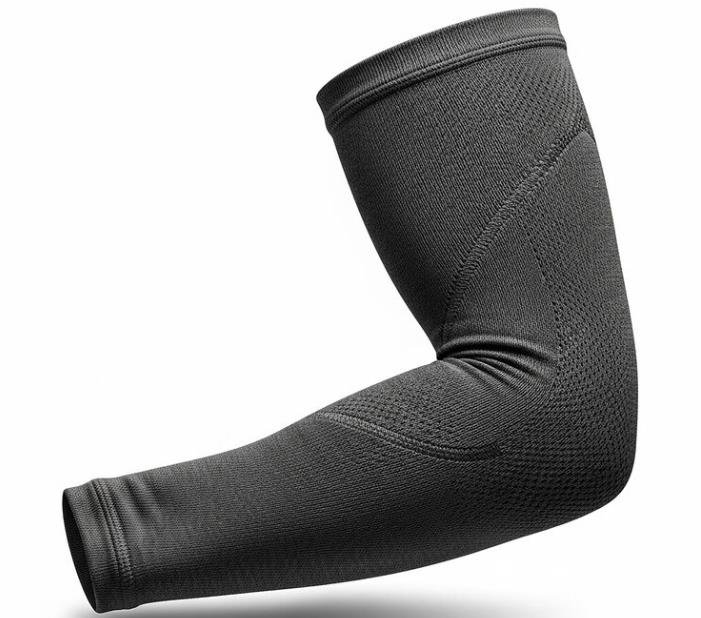
Extended periods of sitting during flights result in arm fatigue but also create swelling and stiffness in your arms. Most travellers do not understand how a basic compression sleeve can enhance their flight experience.
The incorrect sleeve causes reduced blood circulation, which results in increasing discomfort throughout the travel period. The correct sleeve provides continuous blood circulation while it decreases swelling and maintains consistent support throughout the entire flight from take-off until landing.
The guide provides specific instructions which help users select their ideal compression sleeve for flight based on their arm measurements, comfort preferences, and travel requirements. Your upcoming long-haul flight experience will benefit from improved safety and comfort through this solution.
Why Compression Sleeves Matter on Long Flights
Long-distance flight travel results in negative effects on blood circulation. The combination of reduced cabin pressure and restricted movement results in decreased blood circulation throughout the body.
A compression sleeve helps by:
- Supporting muscles during extended periods of immobility
- Decreasing swelling that occurs from excessive fluid retention
- Enhancing blood circulation together with oxygen transportation
- Maintaining arm temperature while promoting muscle relaxation
How Compression Sleeves Work
Compression sleeves apply uniform light pressure to the entire arm. The applied pressure causes veins to decrease in size, which results in faster blood circulation. Constant blood flow maintains its movement, which helps prevent blood from accumulating in the body and decreases the risk.
The majority of flying sleeves provide compression benefits that range from mild to moderate. The sleeves provide support to users while maintaining a comfortable fit that does not restrict movement. The fabric combination provides users with a comfortable experience, which allows them to wear the product throughout the day.
Key Factors When Choosing a Compression Sleeve for Long Flights
Below are the elements that matter most when we choose compression sleeve for long flight.
1. Pick the Right Compression Level
Compression sleeves for arms come in different pressure ranges, which manufacturers express through mmHg measurements. The majority of travellers require mild or moderate compression levels for their extended travel on flights.
Compression Levels Explained
- 8–15 mmHg (Mild): Good for light support and general comfort.
- 15–20 mmHg (Moderate): Ideal for reducing swelling on long flights.
- 20–30 mmHg (Firm): Usually for medical use. Only choose this if advised by a professional.
2. Choose the Correct Size and Fit
A sleeve only works well when it fits well. Too tight and it becomes uncomfortable. Too loose and you lose the compression benefit.
How to Measure Your Arm
- Measure the narrowest point of your wrist.
- Measure around the widest part of your forearm.
- Measure around the middle of your upper arm.
Fit Tips
- You should feel steady pressure but no numbness.
- The fabric should sit flat without rolling.
- You should be able to move without restriction.
3. Pick a Material That Suits Long Flights
Long flights mean long hours in the same seat. Breathable materials matter.
Best Fabrics for Flight Use
- Nylon blend: Light and flexible
- Moisture-wicking fabrics: Reduce sweat build-up
- Seamless knit: Prevents rubbing during long wear
4. Look for Travel-Friendly Features
Little details can make a big difference on an eight-hour flight.
Helpful Features
- Seamless edges to stop skin irritation
- Anti-slip bands for a secure hold
- UV protection for layovers or sunny destinations
- Lightweight weave to keep the arm cool
5. Think About Your Travel Routine
Every traveller uses their arms differently. Consider how you spend your time during the journey.
If You Carry Heavy Bags
Choose compression sleeve for long flights with a stronger weave. It supports the forearm and reduces fatigue when lifting luggage.
If You Work on a Laptop
A flexible sleeve with soft materials offers better protection against neck strain caused by prolonged typing.
If You Sleep Most of the Flight
The mild compression sleeve maintains constant blood circulation through the body while providing a comfortable fit.
Types of Compression Sleeves for Arms
Not all sleeves serve the same purpose. Here are the most common styles of compression sleeves for arms used for air travel.
1. Full Arm Compression Sleeves
These cover the wrist to the upper arm.
Best For
- Long-haul travel
- Heavy arm activity before or after flying
- Travellers who want support across the full limb
2. Forearm-Only Compression Sleeves
These sleeves cover from the wrist to the elbow.
Best For
- Travellers who type or use devices outdoors
- Light support without upper arm pressure
3. Elbow Support Sleeves
These focus on the joint area.
Best For
- Those with elbow pain or strain
- Lifting hand luggage
- Repetitive arm movements
4. Lightweight Travel Sleeves
Designed for comfort during extended wear.
Best For
- Sensitive skin
- Warm cabin environments
- Travellers who prefer minimal pressure
How to Wear and Use a Compression Sleeve on a Flight
Wearing the sleeve correctly ensures you get the most benefit.
Step-by-Step Guide
- Put it on before the flight. Your arms are less swollen earlier in the day.
- Smooth out creases. Wrinkles can create pressure points.
- Check the upper band. It should sit flat without rolling.
- Adjust during the flight. If you feel stiffness, stretch your arm and reposition.
- Remove after landing. Give your skin time to breathe.
Best Practices for Using Compression Sleeves on Long Flights
Stay Hydrated
Flight passengers should drink small amounts of water throughout their journey to maintain proper blood circulation while hydrating in order to decrease arm swelling.
Move When You Can
The body benefits from light stretching because it helps maintain arm flexibility. The body can perform basic movements by lifting arms and rotating wrists.
Good Posture Supports This Process
The body achieves proper blood circulation when it sits upright because this position reduces arm pressure. Avoid leaning on one side for extended periods of time.
Use on Both Arms if Needed
The use of sleeves on both arms helps maintain equal blood flow throughout the body. The treatment also effectively reduces post-flight muscle discomfort.
Common Mistakes When Choosing a Compression Sleeve
Choosing the right sleeve makes a big difference to comfort and circulation during long flights. These common mistakes are easy to avoid when you know what to look for.
- Choosing the wrong size: Sizing issues lead ahead of all the other problems; therefore, be sure to compare your measurements with those given on the chart.
- Picking a sleeve that is too tight: More pressure is not good; rather, a tight arm band can impede the blood flow.
- Wearing poor-quality fabric: Low-quality material may lose its elasticity too fast, which in turn can lead to skin irritation.
- Ignoring material breathability: Cabins get warm, so breathable fabric keeps you comfortable for the whole flight.
Conclusion
The correct compression sleeve for flights will enhance your travel experience because it reduces arm discomfort during extended periods of travel. The combination of size, material, pressure level and travel-friendly features enables you to minimise swelling while maintaining proper blood circulation throughout your journey.
A proper sleeve should provide both security and softness, which enables you to move freely without experiencing discomfort from tightness. The right sleeve enables you to travel more comfortably because it matches your arm size and flying habits.
Frequently Asked Questions
Do compression sleeves help on long flights?
The socks provide benefits which include improved blood circulation and decreased swelling, which occurs during extended periods of limited movement. Many travellers experience reduced stiffness throughout their bodies after using them during the entire flight.
Should I wear compression sleeves the entire flight?
You can wear them for the full duration throughout the entire flight, which includes the time before take-off. Remove them after landing to let your skin breathe.
Are arm compression sleeves safe for everyone?
Most people can wear them safely. People with diagnosed circulation problems or recent injuries should consult a medical professional before using these products.
What compression level is best for travel?
The 15-20 mmHg compression level provides most travellers with an appropriate combination of comfort and support during their extended flights.
Tags : compression sleeve