How Thoughtful Tree Care Protects Your Property and Encourages Safer Growth
By decker chloe 11-12-2025 86
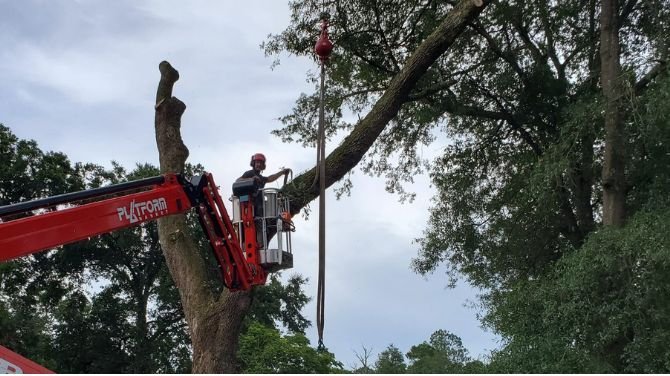
Trees change over time, and so do the needs of the landscapes around them. As we work with different types of trees every day, we see how the right care can make a major difference. Sometimes small adjustments help trees grow safely, while other times they prevent bigger issues from sneaking up on you. Our goal is always to understand what the tree is trying to tell us and respond in a way that supports healthy structure and long-term stability.
Why Trees Need Regular Structure Checks
Trees don't grow in perfect shapes. They lean, twist, and stretch toward sunlight. While this natural growth is normal, it can also create unbalanced weight or weak branch connections. Over time, that uneven growth can lead to dropped limbs or damaged sections.
We often inspect trees for signs like crossing branches, early cracks, or heavy tops. These small signs show us where a tree might struggle later. Routine care lets us correct issues before they turn into larger hazards.
How Pruning Supports Stronger Framework
Pruning may seem simple, but it involves a lot of judgment. We look at a tree’s shape, age, and surrounding space before making any cuts. Our approach is to remove only what’s necessary while keeping the tree’s natural structure intact.
This is also where services like tree trimming pruning Saint Johns FL become essential. When trimming is done carefully, it helps direct new growth, reduces unnecessary weight, and keeps branches from interfering with nearby structures.
Creating Space for Better Light and Airflow
When trees grow too dense, the inner canopy can suffer. Branches block sunlight, and air struggles to move through the thicker areas. That trapped environment can weaken internal branches, making them more likely to fail later.
By opening up the canopy, we help light and air reach deeper into the tree. This approach supports even growth and lowers the chances that hidden weaknesses go unnoticed. It also keeps nearby plants from competing too heavily for light.
When Trees Outgrow Their Space
We see many trees that were planted without considering how wide or tall they would eventually grow. As roots expand and branches spread, they can crowd sidewalks, fences, and nearby buildings. Sometimes a tree grows well but simply ends up in the wrong spot.
In these cases, careful trimming or selective branch removal helps guide the tree so it fits the area better. We pay attention to long-term outcomes so the tree’s shape supports the space rather than overpowering it.
How Environmental Changes Affect Tree Growth
Wind, heavy rain, and long dry spells all influence how a tree behaves. After harsh weather, we often find branches that were weakened or pulled out of place. Some of the damage isn’t obvious until you look closely.
Because of this, we make it a habit to recheck trees after stressful seasons. Even small shifts in weight or branch angles tell us what adjustments may be needed. Early action keeps minor issues from becoming much bigger surprises.
Supporting Trees Through Their Natural Lifespan
Every tree goes through stages—young, mature, and aging. Each stage requires a different approach. Younger trees need shaping. Mature trees often need balance adjustments. Older trees require careful monitoring so they remain stable and safe.
We try to work with the tree’s natural behavior instead of forcing a shape that doesn’t make sense. This balanced approach helps trees age gracefully and reduces unnecessary strain.
Respecting the Landscape as a Whole
While we focus on individual trees, we always keep the entire landscape in mind. One tree may cast too much shade, while another could block airflow to the yard. Sometimes trimming one tree makes a positive difference for everything around it.
We aim to create harmony rather than simply “fixing” one tree at a time. This broader perspective helps us guide property owners toward long-term stability and easier maintenance.
Why Experience Matters in Tree Care
Working with trees every day teaches us things you can’t learn from a book. We’ve seen how slight changes in branch angle can predict future breaks, how older trees behave after storms, and how minor trimming can reshape a tree’s entire load path.
These experiences help us make smarter choices on each property. Every tree has its own story, and we adjust our approach to match its needs. This steady attention builds trust and keeps landscapes safer year after year.