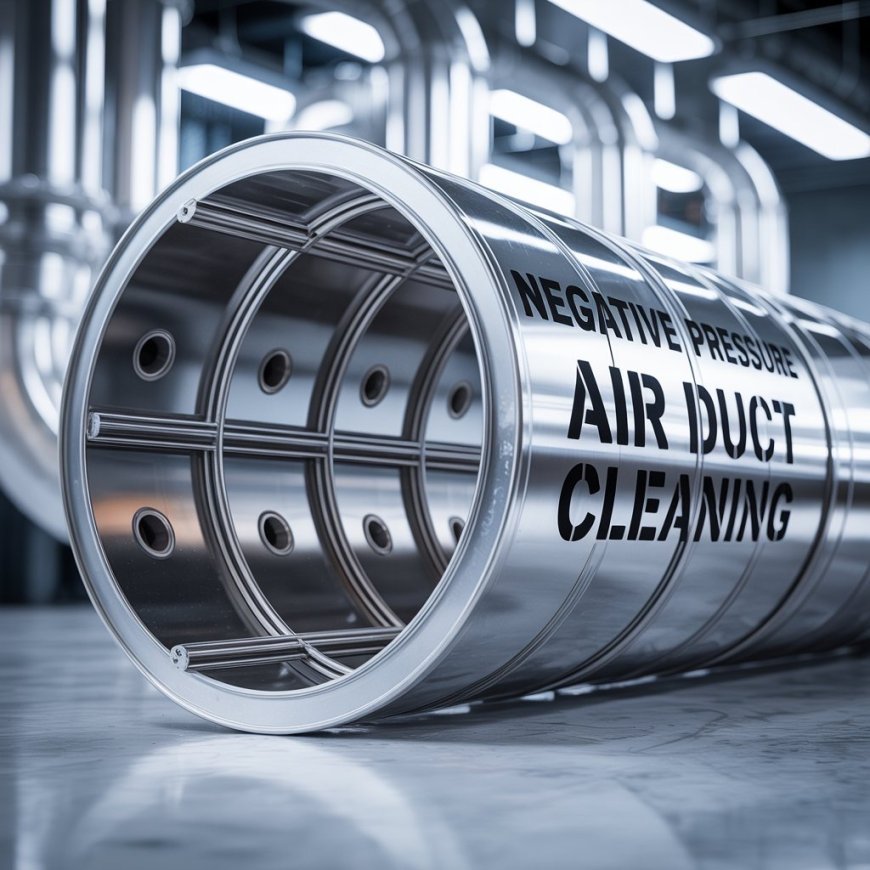
Technicians in Cleveland rely on proven industry methods to maintain cleaner indoor air and more efficient mechanical systems. Among these methods, negative pressure technology is widely recognized for its effectiveness in removing accumulated contaminants from ductwork. By creating a vacuum environment inside the ducts, professionals can dislodge dust, debris, and allergens, preventing them from recirculating in the air. This process is formally known as Negative Pressure Air Duct Cleaning.
Why It Matters
Indoor air quality is directly connected to both health outcomes and building efficiency. Dust and particulate buildup in ducts can restrict airflow, forcing HVAC systems to work harder and consume more energy. Over time, this not only leads to higher utility bills but also increases the risk of breakdowns. In commercial facilities, poor duct conditions can violate air quality regulations and negatively impact employee productivity. In residential settings, it can aggravate respiratory conditions, allergies, and overall comfort. For these reasons, negative pressure removal methods have become an essential part of professional maintenance services.
Common Problems
Cleveland homes and commercial buildings often face challenges tied to seasonal climate shifts. During winter, heating systems run almost continuously, moving dust and lint into duct systems. In warmer months, air conditioning introduces moisture, which can mix with dust and create microbial growth. When ducts remain uncleaned, the following issues are common: reduced system efficiency, uneven airflow, increased allergen circulation, and early wear on HVAC components. Left unaddressed, these problems can cause costly repairs and compromise the reliability of the entire ventilation system.
Key Benefits
The use of negative pressure during cleaning offers several measurable benefits. First, it ensures containment. Dust and contaminants are drawn directly into specialized collection equipment rather than being released back into the occupied space. Second, it improves overall system longevity. By minimizing buildup, technicians reduce strain on fans, blowers, and filters. Third, it supports healthier indoor environments by significantly lowering particulate levels in circulated air. These benefits are especially important in environments such as hospitals, schools, and office buildings, where air quality directly affects health and performance. Finally, the method complies with established industry standards, giving property owners confidence in both safety and effectiveness.
The Role of HVAC Cleaning
Negative pressure cleaning is one component of a broader maintenance strategy. HVAC Cleaning involves inspecting and servicing coils, blowers, condensers, and other mechanical elements that interact with duct systems. When ducts are cleared using negative pressure, technicians often follow up with surface cleaning of system components to prevent re-contamination. This integrated approach ensures that both air distribution and air conditioning units work together efficiently. Without routine HVAC maintenance, duct cleaning alone may not yield lasting results, as dust and microbial buildup can quickly re-enter the system through neglected parts.
Cost Breakdown
Professional cleaning costs in Cleveland vary depending on property size, duct accessibility, and contamination levels. On average, residential jobs range between $300 and $600, while commercial facilities can run from $1,000 to several thousand dollars. Below is a sample pricing outline:
| Service Type | Average Cost Range | Notes |
|---|---|---|
| Standard Residential Cleaning | $300 – $600 | Includes ducts and basic vent cleaning |
| Large Home or Multi-Zone | $600 – $1,000 | Includes multiple systems and additional components |
| Small Commercial Facility | $1,000 – $3,000 | Pricing depends on duct size and contamination level |
| Large Commercial Building | $3,000 – $10,000+ | Custom pricing, requires extensive system evaluation |
Disclaimer: Costs are approximate and vary based on system condition, property layout, and provider rates.
FAQs
Q: How often should ducts be cleaned using negative pressure?
A: Most experts recommend cleaning every 3 to 5 years, though high-use or commercial systems may require more frequent service.
Q: Is the process disruptive to building operations?
A: Professional technicians use sealed equipment to minimize disruption. In many cases, the work can be performed outside of business hours.
Q: Does negative pressure cleaning remove mold?
A: While it removes mold spores and debris, mold remediation may require additional treatments if active growth is present.
Q: Can this service improve energy efficiency?
A: Yes. Cleaner ducts allow HVAC systems to operate more efficiently, reducing energy costs over time.
Key Features
Several technical features make negative pressure an industry-preferred method:
High-Powered Vacuums: These systems create a sealed environment to ensure maximum contaminant removal.
HEPA Filtration: Captures fine particulates and prevents re-release into the indoor environment.
Rotary Brushes and Air Whips: Used in combination with suction to dislodge stubborn debris.
Sealed Containment Systems: Protect occupied spaces from dust during the cleaning process.
Compliance with NADCA Standards: Ensures professional-grade service aligned with national best practices.
Conclusion
In Cleveland, negative pressure technology has become the cornerstone of effective duct maintenance. By preventing dust and debris from recirculating, technicians safeguard both indoor air quality and HVAC performance. Integrating this method with broader HVAC cleaning ensures longer-lasting results and healthier living or working environments.
“Negative pressure cleaning remains the most reliable way to ensure that contaminants are not just moved around but fully removed from the air distribution system.”
For property owners, investing in professional duct cleaning is not only a matter of comfort but also a practical step toward protecting system efficiency and indoor health.