How Tech and Human Expertise Are Transforming Interpreting Services
By tridindiainterpretation 02-12-2025 40
The field of interpreting services is changing, with new technologies being developed and a need for human knowledge never going away. In the increasingly interconnected world of business, governments and global organizations are communicating across languages more than ever before; timely, accurate interpretation is no longer simply a nicety—it’s a necessity. The interpreting industry is changing in a big way today—one that combines smart tools with talent to get the best results.
Technology and Interpretation in the Modern World
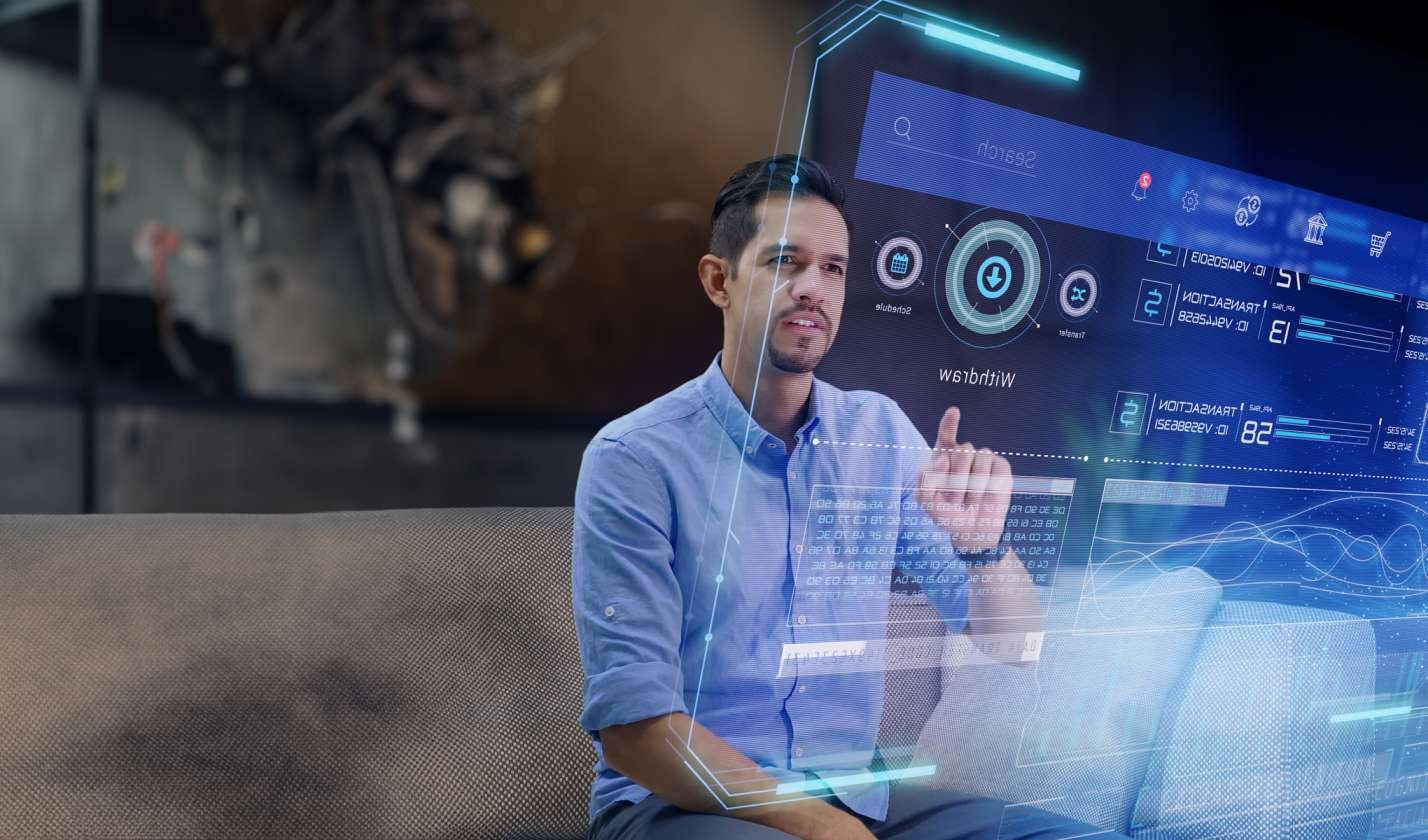
Powerful new technology means translation can now be faster and more efficient. With AI-based speech recognition capabilities, spoken language can be transcribed on the fly, which means live support for interpreters. Remote interpreting platforms Overcome language barriers in global meetings, online conferences and international events. Translation memory tools, voice to text systems and machine translation models are deployed to streamline work processes and increase the all-round efficiency.
These developments result not only in time saving but also improved interpretation since the consistency as well as accuracy may be supported. Technology does a lot of the heavy lifting, but it needs human eyes to make sure everything comes across as intended.
Why Human Expertise Remains Irreplaceable
Despite sophisticated AI, human interpreters are central to effective communication. Machines can’t grasp the cultural context, feelings, intentions and all that stuff we humans use to find meaning in communication. Human interpreters are able to provide thinking support, cultural sensitivity and domain expertise as they interpret a conversation. Their capacity to decipher overtone, snide remarks, funny jokes, idioms and derogatory content will ensure communication are passed with the right sense of attitude.
In certain areas such as health-care, law, business negotiations and diplomacy, human expertise is not nice-to-have; it’s must-have.
What Happens When You Mix Dexterity of Man With Tool That is Smart
The future of interpretation is the combination of leading-edge tech and trained humans. Interpreters who have AI-based tools as support can work at a quicker pace, commit fewer errors and output more dependable outputs. Technology deals with speed, automation and data, while humans address meaning, purpose and cultural significance.
Together, these features help facilitate more efficient working practices, superior results and enhanced client communications. It also scales interpreting services on-demand to meet international needs.
Advantages for Companies and International Organizations
The combination of tech and human skill offers a lot of benefits for companies working in multiple markets. Businesses are able to conduct multilingual meetings; they can go global and reach out to new audiences without any language barriers. Language interpretation enabled by technology is versatile, affordable and scalable — perfect for industries ranging from health care to legal services, education, customer service or international trade.
Modern interpreting options can help businesses enhance the customer experience, gain more meaningful connections, and conduct business operations better across borders.
Future of Interpreting Services
The future of centric interpretation services will call for further innovation. AI will get smarter, remote interpreting will become increasingly more ubiquitous and real-time multilingual communication will improve significantly. But humans will be required to ensure accuracy, sensitivity and cultural intelligence.
The best interpreting services will be those that bridge both worlds using technology for speed and scale and human expertise for precision and trust.
Conclusion
A staffing of technology and human expertise combined is defining the new generation of interpretation services. This winning combination results in a relaxed, more precise and culturally aware communication that serves the global market. With the future of the industry evolving, this ratio/relationship of smart tools and smart professionals will hold true as the foundation for relevant, meaningful interpretation.
Tags : interpretation services