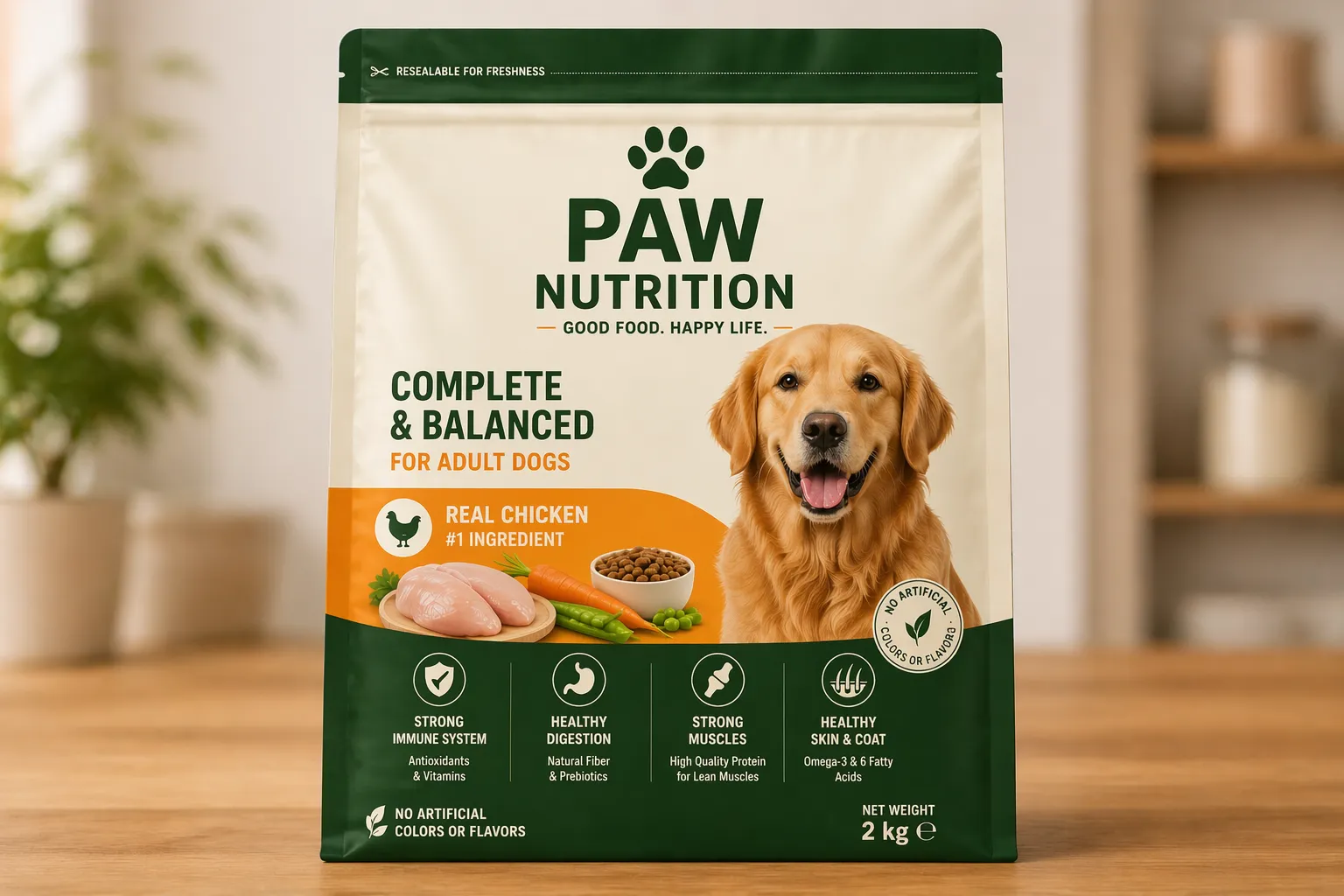
The pet food industry has undergone a significant transformation in recent years, driven by changing consumer preferences, increasing pet ownership, and a growing focus on product quality. Among these shifts, packaging has emerged as a critical factor influencing purchasing decisions. Modern consumers are no longer concerned only with nutritional value—they are also paying close attention to how products are packaged, stored, and delivered.
Pet food packaging plays a vital role in maintaining product freshness, ensuring safety, and extending shelf life. From dry kibble bags to wet food cans and pouches, manufacturers are investing in advanced materials and designs that balance functionality with sustainability. As environmental awareness continues to rise, the industry is witnessing a notable transition toward eco-friendly and innovative packaging solutions.
According to insights highlighted in the pet food packaging industry analysis, the sector is evolving rapidly due to technological advancements and shifting consumer expectations. Organizations such as the U.S. Environmental Protection Agency (EPA) emphasize the importance of sustainable materials and waste reduction in packaging, reinforcing the global push toward environmentally responsible practices.
Growing Demand for Sustainable Packaging Solutions
One of the most prominent trends shaping the pet food packaging industry is the increasing demand for sustainable materials. Consumers are actively seeking products that minimize environmental impact, leading manufacturers to adopt recyclable, biodegradable, and compostable packaging options.
Flexible packaging formats, such as pouches and lightweight bags, are gaining popularity due to their reduced material usage and lower transportation emissions. These formats not only contribute to sustainability goals but also offer convenience for consumers through easy storage and resealability.
Additionally, regulatory bodies like the United Nations Environment Programme (UNEP) are advocating for reduced plastic waste and improved recycling infrastructure, encouraging companies to innovate in packaging design and material selection.
Innovation in Materials and Packaging Design
Technological advancements are playing a crucial role in redefining pet food packaging. Manufacturers are increasingly utilizing multi-layer films, barrier coatings, and vacuum-sealed technologies to enhance product preservation. These innovations help protect pet food from moisture, oxygen, and contaminants, ensuring longer shelf life without compromising quality.
Another key development is the integration of smart packaging solutions. Features such as QR codes and traceability systems allow consumers to access detailed product information, including sourcing, ingredients, and manufacturing processes. This transparency builds trust and strengthens brand loyalty.
Research institutions and industry bodies, including the Food and Agriculture Organization (FAO), highlight the importance of packaging innovation in reducing food waste and improving supply chain efficiency, particularly in perishable food segments like pet nutrition.
Impact of E-Commerce on Packaging Trends
The rapid growth of e-commerce has significantly influenced packaging requirements in the pet food sector. Online retail demands packaging that is durable, lightweight, and capable of withstanding transportation challenges. As a result, companies are focusing on packaging solutions that ensure product integrity during shipping while maintaining cost efficiency.
Packaging designs are also being optimized for direct-to-consumer delivery, with an emphasis on tamper-proof seals and easy handling. This shift has led to increased adoption of flexible packaging formats, which offer both protection and logistical advantages.
According to logistics insights from organizations like the World Bank, efficient packaging plays a key role in reducing supply chain costs and improving distribution efficiency, particularly in rapidly expanding e-commerce markets.
Consumer Preferences Driving Packaging Choices
Modern pet owners are highly informed and selective, often treating pets as family members. This shift in perception has led to increased demand for premium pet food products, which in turn influences packaging aesthetics and functionality.
Packaging is now expected to reflect product quality, with clean labeling, attractive designs, and clear information about ingredients and sourcing. Transparency and authenticity are becoming essential elements of packaging strategies, helping brands differentiate themselves in a competitive market.
Consumer behavior studies by organizations such as the Nielsen Company indicate that packaging significantly impacts purchasing decisions, particularly when it aligns with sustainability and convenience expectations.
Challenges in the Pet Food Packaging Industry
Despite ongoing advancements, the industry faces several challenges. One of the primary concerns is balancing sustainability with performance. While eco-friendly materials are gaining traction, they must meet strict requirements for durability, barrier protection, and cost-effectiveness.
Another challenge lies in recycling infrastructure. Even when recyclable materials are used, inadequate waste management systems can limit their effectiveness. This highlights the need for collaboration between manufacturers, policymakers, and recycling agencies to create a more efficient ecosystem.
Industry reports and environmental agencies consistently emphasize the importance of circular economy practices to address these challenges and promote long-term sustainability.
Future Outlook and Industry Opportunities
The future of pet food packaging is expected to be shaped by continued innovation, regulatory developments, and evolving consumer expectations. Companies that invest in sustainable materials, smart packaging technologies, and efficient supply chain solutions are likely to gain a competitive advantage.
Emerging trends such as plant-based packaging materials, reusable containers, and digital labeling are expected to redefine industry standards. These advancements not only support environmental goals but also enhance user experience and product value.
As highlighted in industry research, the sector is poised for steady growth, driven by the convergence of sustainability, technology, and consumer-centric design approaches.
Conclusion
The pet food packaging industry is evolving at the intersection of sustainability, innovation, and consumer demand. As environmental concerns continue to influence purchasing behavior, manufacturers are compelled to rethink packaging strategies and adopt more responsible practices.
By embracing advanced materials, improving design efficiency, and aligning with global sustainability initiatives, the industry is not only addressing current challenges but also paving the way for long-term growth. Packaging is no longer just a functional component—it has become a key differentiator in the competitive pet food landscape.