How Room Air Conditioners Are Improving Indoor Comfort Across Romania
By Adam Williamson 06-08-2026 162
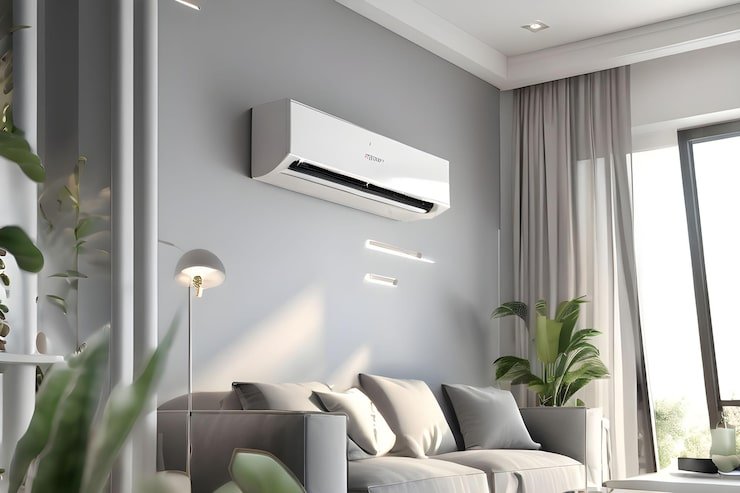
Room air conditioners are becoming increasingly important across Romania as warmer summers, urban housing development, building renovation, and changing expectations for indoor comfort influence household and commercial purchasing decisions. Modern systems are used in apartments, offices, hotels, hospitals, retail spaces, and educational facilities. According to a Vyansa Intelligence report, the Romania room air conditioners market is valued at USD 129.01 million in 2025 and is projected to reach USD 201.21 million by 2032, registering a CAGR of 6.56% between 2026 and 2032. The figures indicate expanding demand for efficient, connected, and versatile cooling equipment.
Warmer Summers Are Increasing Cooling Requirements
Periods of elevated summer temperatures are making dependable indoor cooling more relevant for Romanian households and businesses. Consumers increasingly use room air conditioners to maintain comfortable temperatures in bedrooms, living areas, home offices, and small commercial spaces. According to this industry report, climatic conditions are supporting equipment installations, while the room air conditioners market analysis indicates that cooling is becoming a more significant part of residential energy use.
Across the European Union, household energy consumption for space cooling reached 80.4 thousand terajoules in 2024, illustrating the increasing role of air conditioning in managing warmer conditions, according to the European Commission's Energy-Efficient Products Portal.
Residential Renovation Supports Equipment Replacement
Romania’s existing housing stock creates opportunities for replacing older or less efficient cooling units with modern alternatives. Homeowners undertaking apartment renovations are increasingly considering compact split systems that provide cooling, heating, dehumidification, and air filtration from a single unit. In this report, replacement purchases form an important part of product demand, while the industry analysis reflects growing interest in appliances suitable for modernized residential interiors.
Newer systems also offer quieter operation, improved temperature control, and compact indoor units, making them more appropriate for urban apartments where installation space and noise levels can influence product selection.
Energy Efficiency Shapes Purchasing Decisions
Electricity consumption and long-term operating expenses are important considerations for consumers selecting room air conditioners. Inverter-based systems regulate compressor speed according to indoor temperature requirements rather than repeatedly switching at full capacity. This can support more stable cooling and efficient operation. The market research report identifies energy performance as an important purchasing factor, while detailed market insights show that consumers increasingly examine efficiency labels before choosing an appliance.
Air conditioners with a rated cooling or heating capacity of up to 12 kW sold in the European Union are subject to ecodesign requirements covering minimum energy performance, sound levels, and product information, as outlined by the European Commission's Energy-Efficient Products Portal.
Smart Controls Improve Everyday Convenience
Manufacturers are introducing room air conditioners with Wi-Fi connectivity, mobile applications, programmable schedules, intelligent sensors, and remote temperature controls. These features allow users to operate equipment according to occupancy patterns and daily routines. The latest market analysis highlights connected appliances as an important product category, while the room air conditioners industry report reflects increasing consumer interest in convenient and responsive climate management.
Smart controls may also help users avoid unnecessary operation by allowing systems to be switched off remotely, scheduled around working hours, or adjusted according to changing indoor conditions.
Commercial Buildings Require Dependable Climate Control
Offices, hotels, restaurants, healthcare facilities, shops, and educational buildings require reliable temperature management to maintain comfortable environments for employees, customers, patients, and visitors. Room air conditioners are particularly useful in smaller premises or individual rooms where centralized cooling may be impractical. The industry analysis identifies commercial buildings as an important application area, while detailed market insights emphasize the need for equipment that combines cooling performance with manageable energy consumption.
Tourism facilities and modern office spaces may also prioritize quiet operation, indoor air filtration, and flexible temperature controls to improve occupant experience without installing extensive central systems.
Environmental Requirements Influence Product Design
Environmental considerations are encouraging manufacturers to improve compressor performance, reduce electricity consumption, and adopt refrigerants with lower climate impact. The room air conditioners market analysis highlights product efficiency as an important development area, while industry growth trends reflect the wider transition toward more environmentally responsible cooling equipment.
The European Commission's guidance on climate-friendly alternatives to fluorinated greenhouse gases (F-gases) promotes refrigerants with lower environmental impact while supporting efficient air-conditioning technologies.
Indoor Air Quality Adds Further Product Value
Modern room air conditioners increasingly include filters designed to capture dust, allergens, and other airborne particles. Some products also provide humidity control and self-cleaning functions that help maintain equipment performance. The market research report identifies indoor air quality as a relevant product consideration, while the room air conditioners industry report demonstrates how manufacturers are combining temperature control with broader comfort features.
These capabilities can be particularly valuable in homes, medical settings, classrooms, and workplaces where occupants spend extended periods indoors and expect consistent air circulation alongside effective cooling.
Conclusion
Room air conditioners are becoming more important across Romania as warmer seasonal conditions, residential renovation, commercial modernization, and energy awareness shape purchasing decisions. Inverter technology, connected controls, improved filtration, and environmentally responsible product design are broadening the role of these systems beyond basic cooling.
The Romania room air conditioners market analysis shows how changing comfort requirements are influencing adoption, while the industry growth trends indicate continued attention to efficiency, convenience, and indoor environmental quality.