How Precision Medicine Is Reshaping the Future of Personalized Healthcare
By johnryan 26-06-2026 127
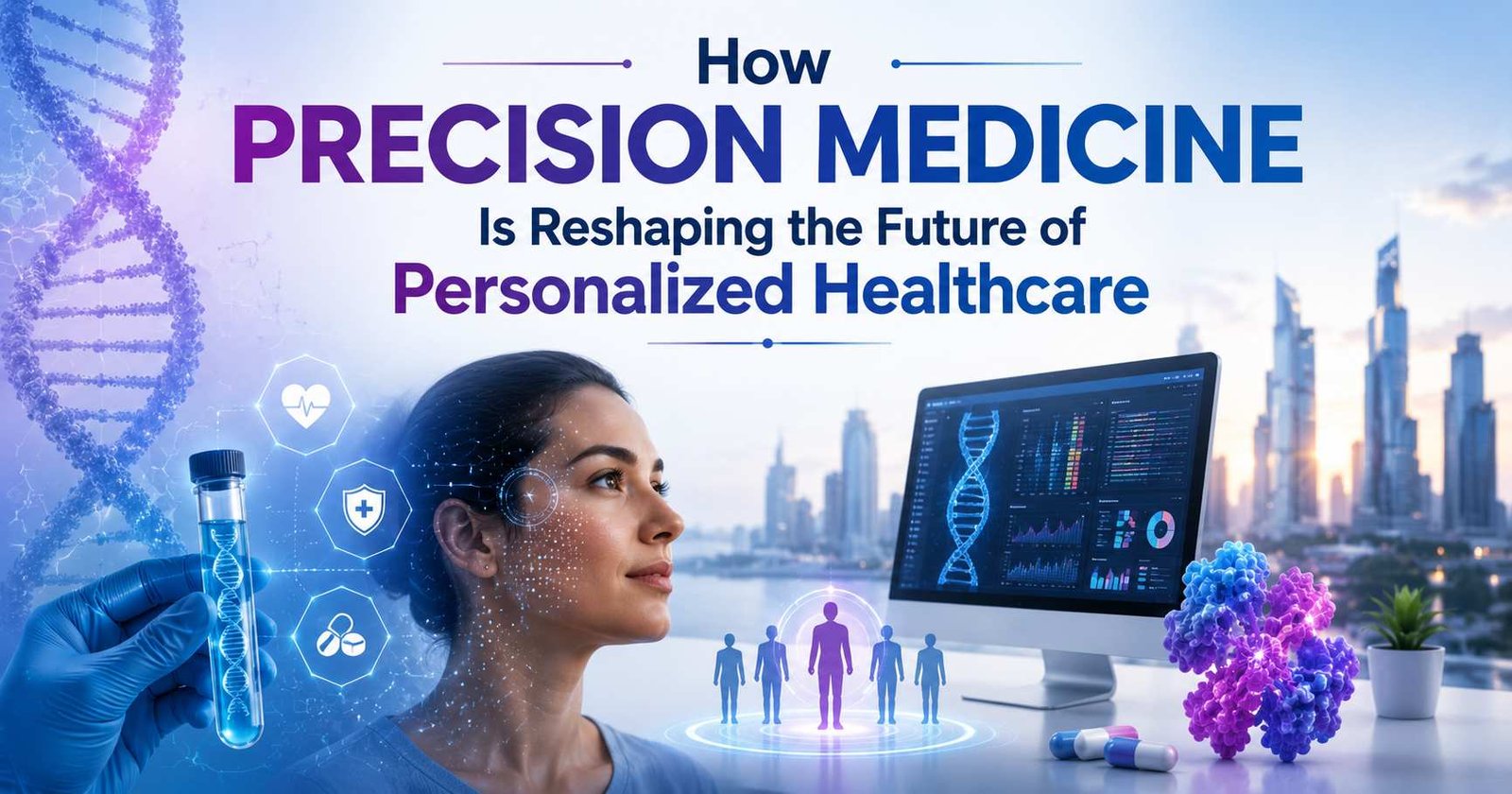
Precision medicine is transforming healthcare by moving beyond the traditional one-size-fits-all approach to diagnosis and treatment. By considering an individual's genetic makeup, lifestyle, environment, and medical history, healthcare providers can develop therapies that are better suited to each patient. This patient-centered approach is improving treatment outcomes while supporting earlier disease detection and more informed clinical decision-making.
Advancements in genomics, molecular diagnostics, artificial intelligence, and bioinformatics are accelerating the adoption of precision medicine across multiple therapeutic areas. According to the Global Precision Medicine report by MarkNtel Advisors, increasing demand for personalized therapies, coupled with continuous innovation in diagnostic technologies, is contributing to the expansion of this healthcare field.
Why Precision Medicine Is Becoming a Healthcare Priority
Healthcare systems worldwide are witnessing a growing burden of chronic illnesses such as cancer, cardiovascular disorders, neurological diseases, and rare genetic conditions. These complex diseases often respond differently to treatment depending on individual biological characteristics. Precision medicine addresses this challenge by enabling physicians to identify the most suitable therapies for specific patient groups rather than relying on generalized treatment protocols.
The increasing availability of genomic sequencing, biomarker testing, and companion diagnostics has strengthened clinical confidence in personalized treatment strategies. Organizations such as the National Human Genome Research Institute continue to emphasize the role of precision medicine in improving disease prevention, diagnosis, and treatment through genetic insights.
Technological Innovations Driving Precision Medicine
Rapid technological progress has become one of the strongest foundations of precision medicine. Advances in next-generation sequencing, artificial intelligence, molecular imaging, and bioinformatics enable researchers to analyze large volumes of patient data with greater speed and accuracy. These technologies help identify disease-specific biomarkers, allowing clinicians to select therapies that offer improved effectiveness while reducing unnecessary treatments.
Artificial intelligence further supports precision medicine by identifying hidden patterns within clinical datasets, assisting physicians in predicting disease progression and recommending evidence-based treatment options. As digital health technologies mature, healthcare providers are expected to integrate predictive analytics more extensively into routine clinical workflows.
Growing Importance of Genomic Research
Genomic research remains central to the continued development of precision medicine. Scientists are discovering new genetic mutations associated with various diseases, enabling earlier diagnosis and more targeted interventions. The availability of affordable genetic testing has also encouraged wider adoption of genomic screening across hospitals, research institutions, and specialized diagnostic laboratories.
The World Health Organization's genomics initiatives highlight the importance of integrating genomic science into healthcare systems to improve disease management while supporting equitable access to advanced medical technologies.
Expanding Applications Across Medical Specialties
Although oncology remains one of the largest application areas for precision medicine, its adoption is expanding rapidly across multiple therapeutic disciplines. Cardiology, neurology, immunology, rare diseases, infectious diseases, and pharmacogenomics are increasingly utilizing personalized treatment approaches to improve patient outcomes.
In cancer care, molecular profiling helps physicians identify genetic mutations responsible for tumor development, enabling targeted therapies with potentially fewer side effects. Similarly, pharmacogenomic testing allows clinicians to determine how patients may respond to specific medications, reducing adverse drug reactions and improving treatment efficiency.
Challenges Limiting Wider Adoption
Despite significant progress, several challenges continue to influence the broader implementation of precision medicine. High costs associated with advanced genomic testing, data integration complexities, limited reimbursement policies, and concerns regarding patient privacy remain important considerations for healthcare providers and policymakers.
Managing large volumes of genomic and clinical information also requires sophisticated digital infrastructure and highly trained professionals. Standardizing data sharing while maintaining patient confidentiality continues to be an important objective for healthcare organizations implementing precision medicine programs.
Regional Developments Supporting Future Growth
North America continues to maintain strong momentum in precision medicine due to advanced healthcare infrastructure, substantial research investments, and widespread adoption of genomic technologies. Europe also remains an important contributor through collaborative research programs and supportive regulatory initiatives.
Meanwhile, countries across the Asia-Pacific region are strengthening investments in biotechnology, genomic research, and precision diagnostics. Improving healthcare infrastructure, expanding access to genetic testing, and increasing awareness of personalized healthcare are expected to support broader adoption across emerging economies.
The Competitive Landscape Continues to Evolve
The precision medicine ecosystem includes biotechnology companies, pharmaceutical manufacturers, diagnostic developers, research organizations, and digital health technology providers working together to accelerate innovation. Strategic collaborations between healthcare providers and technology companies are supporting the development of integrated diagnostic platforms capable of delivering more personalized treatment recommendations.
Continuous investments in research, biomarker discovery, artificial intelligence, and advanced sequencing technologies are expected to strengthen competitive differentiation while expanding the availability of precision medicine solutions across healthcare settings.
Future Outlook for Precision Medicine
The future of precision medicine will likely be shaped by continued advances in genomics, machine learning, digital diagnostics, and personalized therapeutics. As healthcare increasingly embraces data-driven decision-making, precision medicine is expected to become an essential component of disease prevention, diagnosis, and treatment.
Greater collaboration among researchers, healthcare providers, technology companies, and policymakers will play an important role in addressing existing implementation challenges. As scientific understanding continues to expand, precision medicine is positioned to support more accurate diagnoses, improve patient outcomes, and contribute to a more personalized and efficient healthcare ecosystem worldwide.