How Our Fence Contractor Ensures Long-Lasting Fence Installations?
By LeGrand Fence Contractors LLC 19-11-2025 40
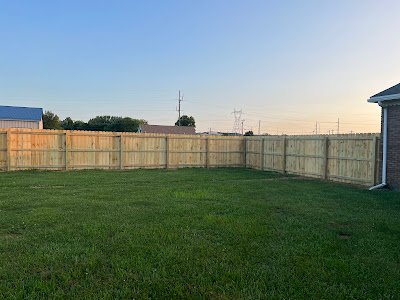
A fence does more than mark a property line. It protects your family, keeps pets safe, and gives you peace of mind. When a fence starts leaning, rusting, or rotting too soon, that peace disappears fast. You worry about safety, looks, and repair costs.
That is why our team treats every fence as part of your daily life, not just another project. From the first visit to the last nail, we think about how your fence should feel years from now. When you choose a Fence Contractor Warsaw, you get a careful process that aims for strength, safety, and long-term value, not quick fixes.
1. We Start With Careful Site Checks
Strong fences begin long before the first post goes into the ground. First, we walk through your yard and assess how the land is sloping. We study slopes, low spots, and tight corners. This helps us plan a fence that fits your space, rather than fighting it.
Then, we examine the soil type and drainage. Wet soil, sandy soil, and heavy clay all behave differently. Because we know this, we adjust post depth and concrete use to keep posts firm and steady. This step protects you from leaning sections and loose gates later.
When you work with a fence contractor Warsaw, you also get honest advice. We explain where a fence will stand best, where it may require extra support, and what layout provides the most privacy and safety. So you see the "why" behind every line on the plan.
2. Strong Materials for a Strong Fence
Even the best design can fail if the materials wear out too quickly. That is why we choose boards, posts, and hardware that match your weather, soil, and daily use. As a trusted chain link fence installer near me, we also know when chain link is the best fit for busy yards and active pets.
We never pick materials at random. Instead, we examine your goals: privacy, airflow, security, or a combination of all three. Then we match them with the right options.
Here is how we choose materials that last:
- We pick posts rated for ground contact when needed.
- Use screws and hardware meant for outdoor use, not cheap indoor parts.
- To suggest coatings or stains that protect against rain, sun, and insects.
- We balance upfront cost with long-term life so you get better value.
Because of this, your fence can stay solid, safe, and good-looking for many years.
3. How Fence Contractor Warsaw Builds a Solid Foundation
A fence is only as strong as the posts that support it. So we treat each post like the base of a small structure. We measure depth, width, and spacing with care. We also consider wind, soil, and any nearby heavy gates.
"A long-lasting fence starts from the ground up, not from the top down."
First, we dig post holes to the right depth for your fence height and local frost line. Then we place posts in straight, level lines, checking them from several angles. This step may seem simple, yet it makes a significant difference in long-term strength.
Next, we use concrete, gravel, or a combination of both, depending on the soil and drainage conditions. We shape the top of each footing so water flows away from the post. Finally, we allow a proper curing time before applying full weight to the structure.
To make this clear, here is how foundation choices support fence life:
Step in Foundation | What We Focus On | How It Helps Your Fence Last |
|---|---|---|
Post Depth | Soil and wind factors | Reduces leaning and shifting |
Hole Backfill | Concrete or gravel mix | Improves drainage and stability |
Post Alignment | Level and straight | Keeps panels tight and even |
All of this protects your fence from early sagging and costly repairs.
4. Gate and Entry Solutions That Work for Years
Gates often carry the most stress in any fence line. They move many times a day, face kicking winds, and hold heavy weights. As a result, we allocate additional time for gate planning and support.
As a dedicated gate installation company Warsaw, we design gate posts and frames to handle daily use without sagging. We choose hinges and latches that match the gate size and material. Then we reinforce posts with the proper depth and bracing.
We also think about how you and your family move. Do you bring in bikes, strollers, or lawn tools? Do pets push and jump on the gate? We tailor the gate width, swing direction, and latch height to meet these real needs.
Finally, we adjust and test each gate several times. We check smooth swing, even gaps, and latch safety. This reduces future slamming, dragging, or sticking, which can wear out both the gate and nearby posts.
5. Weather Protection That Makes Fences Last
Sun, rain, wind, and snow slowly attack every fence. However, with the proper protection, your fence can handle these forces for many years. We plan for the weather from the start, rather than treating it as an afterthought.
When you look for a chain link fence installer near me, you may worry about rust and shine. We help by using coatings and finishes that protect metal from corrosion while maintaining a neat and clean appearance. For wood, we recommend stains or paints that block moisture and UV rays.
"A fence that ignores the weather will show it on every board and post."
We also talk about airflow and drainage around your fence line. Good airflow helps wood dry faster after rain. Solid drainage keeps water from pooling around posts. Together, these details protect against rot, mold, and frost damage. With this approach, your fence stands straighter, stays brighter, and feels safer in every season.
6. Simple Maintenance You Can Actually Follow
Even a great installation needs basic care. However, maintenance does not have to feel hard or technical. We explain simple steps in clear language so that you can protect your fence without stress. When fence contractor handles your project, we always leave you with a practical care plan.
We also explain how a quality partner, such as a gate installation company Warsaw, can help when a gate or latch needs expert adjustment—that way, you know when to handle a task yourself and when to call in skilled help. Before we conclude, we share some easy habits you can incorporate into your routine.
Here are simple maintenance tips that make a big difference:
- Walk your fence line once a season and note changes.
- Tighten loose screws or nails before they cause bigger gaps.
- Trim plants that touch boards or metal to prevent moisture from becoming trapped.
- Clean dirt and debris from the bottom rails and posts.
- Reapply stain or sealant on schedule, as per the product's guidance.
These small steps protect your investment and keep your yard safe and welcoming.
7. Your Questions, Answered
You may still wonder what this means for your everyday life. Here is a brief FAQ to help you understand the real benefits.
How often should I check my fence?
Check it at least once each season. Look for leaning sections, loose boards, rust, or soft spots. Early action keeps minor issues from growing.
How long should a well-installed fence last?
With good materials and care, many fences last 15 to 25 years or more. Your local weather and maintenance habits also play a significant role.
What signs indicate that my fence requires expert assistance?
Watch for gates that drag, posts that move when pushed, or boards that break easily. When you see these signs, a professional inspection can prevent bigger damage.
The Lasting Value of a Well-Built Fence
A strong fence does more than stand in place. It makes your family feel safe, keeps pets secure, and frames your outdoor memories. When it stays straight and solid year after year, you worry less about repairs and enjoy your yard more. That is the real reward. When you trust a skilled team like fence contractor Warsaw, you gain more than just a neat row of posts and panels. You gain thoughtful planning, careful foundation work, smart material choices, and clear guidance you can actually use. Each step protects your time, money, and peace of mind.
At LeGrand Fence Contractors LLC, we design every fence as if we were building it for our own homes. As you plan your next project, think about how you want your fence to feel five, ten, or even fifteen years from now—and choose the process that gets you there.