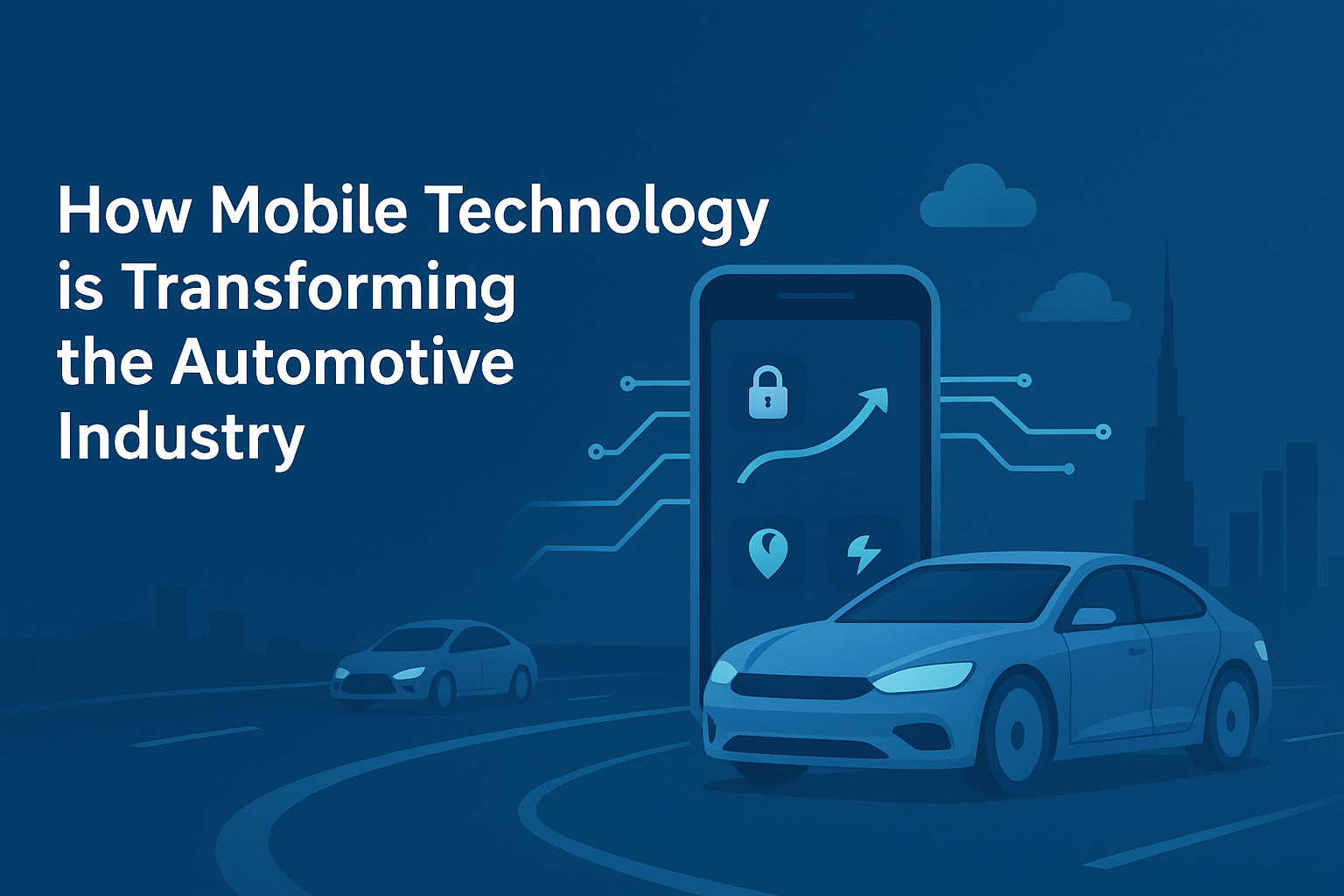
The automotive industry is not just about cars anymore—it’s about smart mobility solutions. With rapid technological growth, mobile applications are playing a central role in reshaping how manufacturers, dealerships, and consumers interact with vehicles. From connected cars to on-demand taxi apps, the industry is adopting digital solutions to improve efficiency, customer satisfaction, and revenue streams.
This growing need has fueled the rise of automobile app development, where businesses are investing in feature-rich mobile solutions tailored for drivers, car owners, rental agencies, and service providers.
Why the Automotive Industry Needs Mobile Solutions
Modern consumers expect convenience, speed, and personalization. Mobile apps in the automotive sector cater to these demands by offering:
On-demand services – like taxi booking, car rentals, and ride-sharing.
Connected car features – including remote diagnostics, GPS tracking, and IoT-enabled controls.
E-commerce for automobiles – online platforms for buying spare parts, accessories, or even vehicles.
Customer engagement – with loyalty programs, service reminders, and personalized offers.
Streamlined dealership operations – digitizing inventory management, sales, and test-drive bookings.
Types of Automotive Mobile Apps
Automobile-focused apps come in various forms depending on the end-users and business goals:
Car Rental & Ride-Sharing Apps – like Uber, Lyft, and local rental services.
Vehicle Maintenance & Repair Apps – helping users schedule services and track vehicle health.
Dealership Apps – offering online car browsing, booking, and financing.
Navigation & Parking Apps – assisting drivers with real-time traffic updates and smart parking.
Connected Car Apps – enabling remote vehicle control, monitoring, and safety features.
By investing in automobile app development, businesses can create tailored solutions that improve mobility experiences.
Must-Have Features in Automotive Apps
To ensure success, automotive apps should integrate:
User-Friendly Interface – intuitive navigation for drivers and customers.
GPS & Navigation – real-time traffic, tracking, and route optimization.
Payment Integration – secure and multi-method payment systems.
Push Notifications – service reminders, offers, and safety alerts.
AI & IoT Integration – smart insights, predictive maintenance, and remote vehicle control.
AR/VR Support – virtual showrooms for car buyers.
Benefits of Mobile Technology in the Automotive Sector
For Businesses
Enhanced customer engagement and loyalty.
Increased revenue through online bookings and service sales.
Real-time data insights for better decision-making.
Competitive edge in a rapidly evolving market.
For Customers
Greater convenience in car rentals, ride-sharing, and purchases.
Improved safety with connected car features.
Seamless booking, tracking, and payment experiences.
Personalized offers and vehicle maintenance alerts.
Future Trends in Automotive Apps
As the automotive industry embraces digital transformation, trends shaping the future include:
Electric Vehicle (EV) Integration – apps for EV charging station locators and payment systems.
Blockchain in Automotive – secure vehicle ownership, smart contracts, and digital identity.
AI-Powered Predictive Maintenance – reducing breakdowns and enhancing safety.
Voice-Enabled Assistants – hands-free car control for safer driving.
Autonomous Vehicle Support Apps – facilitating communication and real-time updates for self-driving cars.
Conclusion
The automotive sector is no longer confined to physical showrooms and service centers. With the rise of automobile app development, businesses are adopting mobile-first strategies to enhance customer engagement, improve efficiency, and deliver futuristic mobility solutions.
As consumers continue to embrace digital convenience, companies that invest in innovative mobile apps will not only thrive in the present but also lead the way into the future of smart transportation.
Tags : automobile app development