The healthcare sector is undergoing a remarkable transformation as advanced technologies continue to reshape patient care, surgical procedures, and hospital operations. Among these innovations, medical robots have emerged as one of the most impactful solutions, helping healthcare providers improve precision, reduce human error, and enhance patient outcomes. From robotic-assisted surgeries to rehabilitation systems and pharmacy automation, these intelligent machines are redefining how healthcare services are delivered across the globe.
As healthcare systems face increasing pressure from aging populations, rising chronic disease cases, and workforce shortages, hospitals are investing in robotic technologies to improve efficiency and deliver better clinical results. The growing adoption of robotic-assisted procedures is creating new opportunities for healthcare providers while accelerating technological advancements throughout the medical ecosystem.
According to a recent analysis by MarkNtel Advisors' medical robotics research, continuous investments in artificial intelligence, machine learning, and minimally invasive surgical technologies are expected to support the industry's long-term expansion between 2026 and 2032.
Why Medical Robots Are Becoming Essential
Medical robots are designed to assist healthcare professionals in performing complex tasks with greater accuracy and consistency. Unlike traditional medical equipment, robotic systems combine advanced software, sensors, cameras, and AI-powered analytics to improve decision-making and procedural precision.
The demand for these technologies continues to rise because hospitals are striving to deliver safer procedures, reduce complications, and shorten patient recovery times. In many healthcare facilities, robotic systems are no longer viewed as optional technologies but as strategic investments that improve operational efficiency and clinical excellence.
Key Applications of Medical Robotics
The versatility of medical robots has expanded significantly over the past decade. Today, they support numerous clinical and operational functions across healthcare facilities.
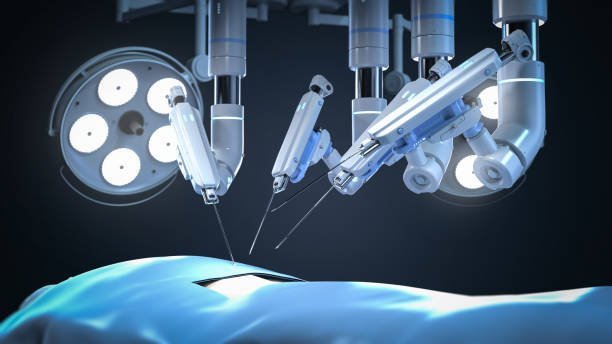
- Robotic-Assisted Surgery: Enables surgeons to perform minimally invasive procedures with enhanced visualization and greater precision.
- Rehabilitation Robots: Assist patients recovering from neurological disorders, strokes, and orthopedic injuries.
- Hospital Automation: Robots transport medicines, laboratory samples, and medical supplies throughout healthcare facilities.
- Pharmacy Automation: Improves medication dispensing accuracy while reducing manual workload.
- Diagnostic Assistance: AI-powered robotic platforms support imaging analysis and diagnostic workflows.
These applications demonstrate how robotics extends beyond operating rooms to improve nearly every aspect of modern healthcare delivery.
Advantages for Patients and Healthcare Providers
The increasing adoption of medical robots is driven by measurable improvements in patient care and hospital performance.
Improved Surgical Precision
Robotic-assisted surgical systems provide surgeons with greater dexterity, enhanced visualization, and more precise instrument control. This enables highly accurate procedures that may be difficult using conventional surgical techniques.
Reduced Recovery Time
Many robotic procedures involve smaller incisions, resulting in less tissue damage, reduced blood loss, lower infection risks, and faster patient recovery.
Greater Operational Efficiency
Automation allows hospitals to streamline repetitive administrative and logistical tasks, enabling healthcare professionals to focus more on direct patient care.
Enhanced Patient Safety
Advanced sensors, imaging technologies, and intelligent software help minimize procedural variability while supporting consistent clinical outcomes.
Technological Innovations Driving Growth
Several technological advancements are accelerating the evolution of medical robotics.
- Artificial Intelligence for clinical decision support
- Machine Learning for predictive analytics
- Computer Vision for enhanced surgical navigation
- Cloud-based healthcare data integration
- 5G-enabled remote robotic procedures
- Internet of Medical Things (IoMT) connectivity
These innovations continue to improve robotic performance while expanding their potential across multiple healthcare specialties.
Growing Demand for Minimally Invasive Procedures
One of the strongest drivers behind medical robot adoption is the increasing preference for minimally invasive surgery. Patients and physicians increasingly choose procedures that reduce pain, minimize hospital stays, and support quicker rehabilitation.
Robotic surgical platforms enable highly controlled movements that improve access to delicate anatomical structures while maintaining exceptional precision. As surgical techniques continue to evolve, robotics is expected to play an even greater role in complex medical procedures.
Challenges Facing Medical Robotics
Despite significant progress, several challenges remain before medical robots achieve widespread adoption across all healthcare systems.
- High initial investment costs
- Complex regulatory approval processes
- Need for specialized surgeon training
- Maintenance and software upgrade requirements
- Cybersecurity and patient data protection concerns
Addressing these challenges will require collaboration among healthcare providers, technology companies, regulatory authorities, and academic institutions.
Future Outlook
The future of medical robotics looks increasingly promising as healthcare organizations continue embracing digital transformation. Artificial intelligence, robotic automation, advanced imaging, and connected healthcare ecosystems are expected to further enhance the capabilities of next-generation medical robots.
Hospitals are likely to deploy more autonomous robotic systems that assist with diagnostics, patient monitoring, logistics, and surgical planning. Continuous research and innovation will also make robotic technologies more accessible to healthcare providers worldwide.
Industry analysts anticipate sustained investment in robotic healthcare solutions as governments and private healthcare organizations prioritize efficiency, patient safety, and improved clinical outcomes. According to recent research published by MarkNtel Advisors, the global medical robots sector is projected to witness notable growth during the 2026–2032 forecast period, supported by ongoing technological advancements and expanding healthcare infrastructure.
Conclusion
Medical robots are revolutionizing healthcare by enhancing surgical precision, improving patient safety, and increasing operational efficiency across hospitals and clinics. As artificial intelligence, automation, and digital healthcare technologies continue advancing, robotic systems will become increasingly integrated into everyday clinical practice.
Although challenges such as implementation costs and training requirements remain, the long-term benefits significantly outweigh these barriers. With continued innovation and broader adoption, medical robotics will remain a cornerstone of modern healthcare, helping providers deliver higher-quality care while improving patient experiences across the globe.