Dental implants are widely regarded as one of the most reliable and long-term solutions for missing teeth. They restore function, improve appearance, and support overall oral health. One of the most common questions patients ask before choosing implants is simple but important: how long do dental implants last?
The short answer is that dental implants are designed to last many years and, in many cases, a lifetime. However, their longevity depends on several factors, including oral hygiene, overall health, and ongoing dental care. This article explains what affects implant lifespan, what you can expect over time, and how to protect your investment.
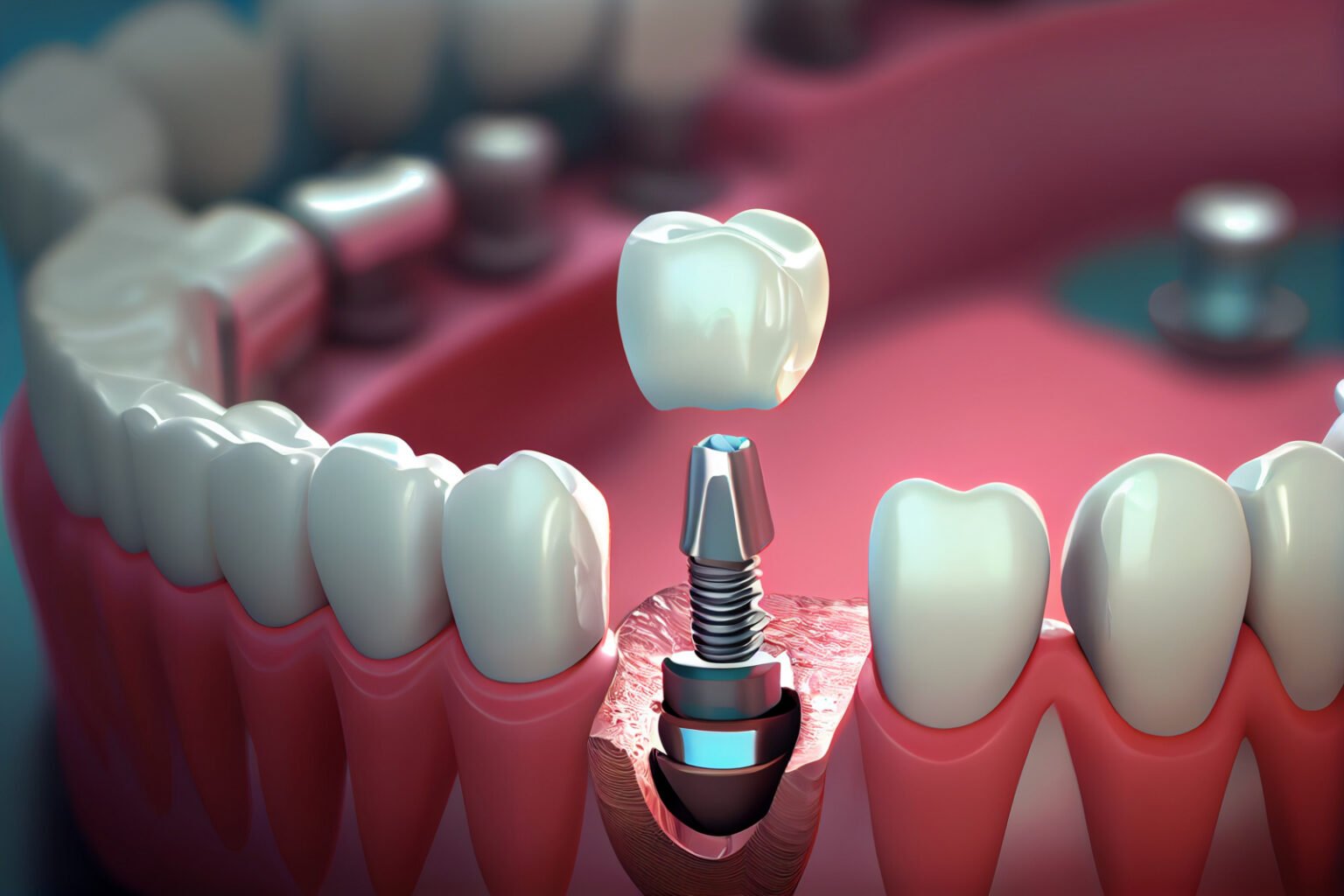
Understanding the Parts of a Dental Implant
To understand how long dental implants last, it helps to know how they are structured.
The Implant Post
The implant post is the titanium screw placed into the jawbone. This part fuses with the bone through a process called osseointegration. Once fully integrated, it becomes a stable foundation similar to a natural tooth root.
The Abutment and Crown
The abutment connects the implant post to the visible crown. The crown is the part that looks and functions like a natural tooth. While the implant post is designed to be permanent, the crown may need replacement over time due to normal wear.
Average Lifespan of Dental Implants
Implant Post Longevity
With proper care, the implant post can last 25 years or longer, and many patients keep the same implant for life. Titanium is highly durable and biocompatible, which allows it to integrate well with the jawbone.
Crown Longevity
Dental crowns typically last 10 to 15 years. Over time, they may need replacement due to wear, changes in bite alignment, or cosmetic concerns. Replacing the crown does not usually affect the implant itself.
Factors That Affect How Long Dental Implants Last
Oral Hygiene Habits
Daily brushing, flossing, and routine dental visits play a major role in implant success. Poor oral hygiene can lead to gum inflammation and peri-implant disease, which threatens implant stability.
Gum and Bone Health
Healthy gums and sufficient bone support are essential. Bone loss or untreated gum disease can weaken the implant’s foundation, increasing the risk of complications.
Overall Health Conditions
Medical conditions such as diabetes, osteoporosis, and immune disorders may affect healing and long-term implant success if not well managed.
Smoking and Tobacco Use
Smoking significantly increases the risk of implant failure. It slows healing, reduces blood flow to the gums, and raises the risk of infection around the implant.
Bite Force and Teeth Grinding
Excessive pressure from grinding or clenching can shorten the lifespan of the crown and place stress on the implant. Night guards are often recommended for patients with bruxism.
How Maintenance Extends Implant Lifespan
Regular Dental Checkups
Routine exams allow dentists to monitor implant stability, gum health, and bite alignment. Early detection of minor issues prevents more serious problems later.
Professional Cleanings
Professional cleanings remove plaque and bacteria that daily brushing may miss, especially around implant-supported teeth.
Good Home Care
Using soft-bristled toothbrushes, non-abrasive toothpaste, and floss designed for implants helps maintain healthy gums and surfaces.
Signs That an Implant Needs Attention
Dental implants rarely fail suddenly. Warning signs often appear gradually and should never be ignored.
Common Symptoms to Watch For
- Gum redness or swelling around the implant
- Persistent discomfort or pain
- Loosening of the crown
- Bleeding while brushing
- Changes in bite alignment
Early evaluation helps preserve the implant and avoid further treatment.
Can Dental Implants Fail?
While success rates are high, dental implants can fail in rare cases. Early failure usually occurs during the healing phase, while late failure may happen years later due to infection or bone loss.
Most failures are preventable with:
- Proper treatment planning
- Good oral hygiene
- Regular follow-up care
When addressed early, many issues can be corrected without removing the implant.
How Location and Provider Experience Matter
Patients considering dental implants Queens often benefit from access to experienced dental professionals familiar with advanced implant techniques. Proper placement, accurate imaging, and personalized planning all influence long-term success.
Choosing a provider who emphasizes education, prevention, and follow-up care improves outcomes and implant durability.
Are Dental Implants Worth the Investment?
Compared to bridges or dentures, implants often last significantly longer and protect surrounding teeth and bone structure. While the initial cost may be higher, their longevity and functionality make them a cost-effective solution over time.
For patients seeking tooth replacement options in Queens, implants offer stability, comfort, and the confidence that traditional solutions may not provide.
How Long Can You Expect Your Dental Implants to Last?
In real-world terms:
- The implant post can last decades or longer
- The crown may need replacement after years of use
- With good care, complications are uncommon
Many patients who choose dental implants Queens enjoy long-lasting results that feel natural and function like real teeth.
Final Thoughts
Dental implants are built for durability, but their lifespan depends heavily on how they are cared for. With proper hygiene, regular dental visits, and healthy habits, implants can serve as a long-term solution for missing teeth.
Understanding what affects implant longevity helps patients make confident, informed decisions. When maintained properly, dental implants offer strength, stability, and peace of mind for many years to come.