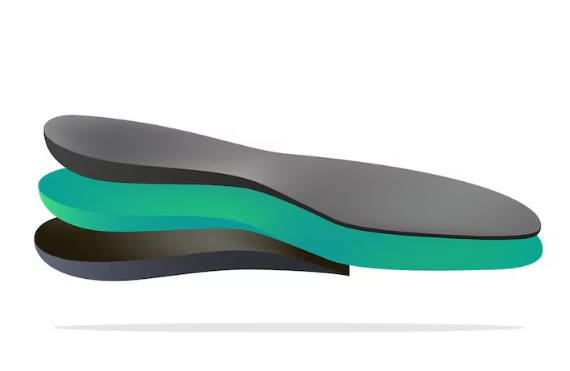
A slight discrepancy in leg length can lead to significant issues. One leg may sit lower than the other. The body exhibits different walking patterns because of its natural variations, which result in swaying movements and tilting and twisting actions during daily surface navigation. The body experiences uneven motion, which results in developing persistent discomfort that affects feet, knees, hips and back through the passage of time. People search for basic solutions to solve this issue because they want to keep their current schedule and activities unchanged. An insole for leg length discrepancy can help. The device elevates the shorter leg while it maintains body stability, which produces fluid movement patterns during standard daily activities.
The article explains how insoles function while showing why users select these products to achieve better body control and comfort during their everyday activities.
What Is Leg Length Discrepancy?
Leg length discrepancy means one leg is longer than the other and creates an uneven body position. The difference may seem small, but it can nudge the body out of balance and affect movement patterns. Doctors place this condition into two groups to better understand the cause and choose suitable support options.
Structural Leg Length Discrepancy
This type happens when one leg bone grows longer than the other. Birth conditions, broken bones, and growth problems often spark this difference and affect body alignment over time.
Functional Leg Length Discrepancy
This type occurs when both legs have the same bone length, but tight muscles, poor posture, or joint problems cause the body to become misaligned and disrupt natural movement.
Both types can shake balance and change the way a person moves during everyday activities and simple tasks.
Signs that indicate you may have a leg length difference
Many people do not spot this condition right away because the signs often develop slowly over time.
Instead, they may notice:
- Back pain
- Hip pain
- Knee pain
- Tired feet
- Uneven shoe wear
- Crooked posture
- Tight muscles
- A limp while walking
As the body fights to stay balanced, it bends and shifts in different ways. Because of these factors, aches can spread to many areas and make daily activities feel more difficult.
How Insoles Help Create Better Balance
Insoles do not stretch bones or change leg length in any way. Instead, they lift the shorter side and help the body line up in a better way while supporting natural posture. This lift helps the body move with less strain and more comfort during work, exercise, and daily routines.
1. They level the pelvis
The pelvis acts like a bridge in the middle of the body and supports overall balance. When one leg sits lower, the pelvis may tip to one side and affect movement across the body. An insole raises the lower side and helps the pelvis sit straighter. As a result, the body flows through movement with greater ease and experiences less unnecessary strain.
2. They Spread Weight Across Both Feet
Many people lean more on one side when their legs differ in length and create uneven pressure. An insole for flat feet shares body weight across both feet. Therefore, the joints and muscles carry less pressure and work in a more balanced manner.
3. They Smooth Out Every Step
Human beings maintain a steady natural walking pattern, which they should experience at any point during their life span. The body experiences disruption of its normal rhythm because of leg-length differences, which produce uncomfortable sensations and confused feelings. The body receives step guidance from insoles, which enable people to move forward through enhanced balance and improved self-assurance.
The Link Between Flat Feet and Leg Length Discrepancy
- Flat feet can deepen body imbalance and make existing symptoms harder to manage comfortably.
- When the arch drops, the foot rolls inward. This movement can tug the legs, hips, and spine out of line and affect posture.
- An insole for flat feet supports the arch and helps the foot stay strong. The body establishes a more stable foundation through this support, which leads to improved movement control.
- People who have both conditions often find greater comfort when they support the arch and leg alignment together through suitable insoles.
Benefits of Wearing Insoles
Many people choose insoles because they slip into daily life with ease and require very little adjustment.
Some benefits include the following:
Less Pain
Better alignment can calm aches in the feet, knees, hips, and back and support more comfortable movement.
Better Posture
A level base helps the body stand tall and straight throughout daily activities and routines.
Stronger Balance
Insoles help the feet grip the ground and stay steady during walking and standing.
More Comfort
Walking, working, and playing often feel easier and place less strain on the body.
Healthier Joints
Less strain helps protect the joints from extra wear and supports long-term mobility.
Features to Look for in an Insole
The right insole can make a huge difference in comfort, posture, and movement quality. Look for these features before choosing one to ensure suitable support and long-lasting performance. Arch support keeps feet in a stronger position. Cushioning softens each step. Firm shape holds support throughout the day. A secure fit stops slipping inside the shoe. Durable material keeps its support for longer.
Together, these features help the body move with greater comfort and balance while reducing unnecessary strain.
How to Choose the Right Insole
The right insole depends on your needs, foot shape, and level of leg length difference.
- People with a small difference may benefit from a simple lift. Larger differences may need professional guidance to achieve the best possible results.
- Many people search for the best insole for leg length discrepancy correction and focus only on height. Yet support, comfort, and fit matter just as much for long-term success.
- A well-fitted insole often delivers better results and helps the body move more naturally throughout everyday activities.
When to Seek Professional Advice
Sometimes the body needs extra help when symptoms continue despite using supportive insoles.
Consider expert advice if:
- Pain stays for weeks
- Walking feels difficult
- The difference looks large.
- Back or hip pain grows stronger
- An old injury affects movement.
A proper assessment can uncover the cause and point towards the right solution while helping prevent future complications.
Tips for Better Results
Wear Them Little by Little
Start with short periods. This step lets the body adjust and become comfortable with the support.
Choose Supportive Shoes
Strong shoes help insoles work better and provide greater stability during movement.
Watch for Changes
Notice how your posture, comfort, and walking pattern improve over time with regular use.
Replace Old Insoles
Worn-insoles lose their support. Fresh ones keep working hard and maintain proper alignment.
Keep Moving
Regular activity helps muscles stay strong and supports healthy movement throughout the entire body.
Conclusion
Leg length discrepancy may seem small, but it can ripple through the whole body. It can spark pain, disturb posture, and disrupt movement while affecting comfort during daily life. Fortunately, insoles offer a simple way to restore balance. They lift the shorter side, steady the body, and help each step flow more smoothly throughout the day. When people choose the best insole for leg length discrepancy correction and wear it correctly, they often enjoy better comfort, stronger balance, and healthier movement for many years.
Frequently Asked Questions
1. Can insoles help with a small leg length difference?
Yes. Even a small lift can steady the body and ease strain on the joints while improving comfort during daily activities.
2. How soon can I feel results?
Many people notice changes within a few days. Others need a few weeks while the body adjusts and develops healthier movement patterns.
3. Can children use insoles?
Yes. Children can use insoles when a healthcare professional recommends them and monitors their progress as they grow.
4. Do insoles fit all shoes?
Most insoles fit many types of shoes. Supportive shoes often provide the best results and help maintain proper alignment.