Healthcare workers spend most of their day on their feet. Whether they stride through long corridors, anchor beside a patient's bed, or shift heavy tools, their feet endure significant strain. Foot pain, tiredness, and bent posture often sneak in quietly. One major cause is weak foot arch support.
The answer lies in selecting the proper insole for high arch or a flat-foot insole, based on your foot's shape. In this guide, we explain how high arch insoles provide solid comfort, especially for nurses and healthcare staff who work long hours with few breaks.
Understanding Foot Arch Types
Your feet carry your body. Inside every foot is an arch that keeps balance, spreads weight, and softens the shock of each step.
There are three foot arch types:
- High Arch (Cavus Foot)
The arch lifts higher than usual and does not flatten when you stand. Pressure crowds the heel and toes.
- Normal Arch
The arch balances the foot and absorbs shock well.
- Flat Feet (Pes Planus)
The whole foot touches the ground. This may lead to pain in the ankles or knees.
People with high arches need special insoles to evenly distribute the load. Inadequate support makes standing and walking more difficult, especially for healthcare teams.
Daily Strain on Healthcare Workers' Feet
Healthcare jobs demand long hours on hard floors. Every day they:
- Stride across wide rooms
- React fast during emergencies
- Shift patients or equipment
- Take a few rest breaks
This wears down the body and can bring:
- Heel and arch pain
- Swelling in feet
- Shin aches
- Bent ankle joints
- Knee or back strain
Without a proper insole for high arch or a flat-foot insole, these problems grow worse over time.
How High Arch Insoles Offer Relief
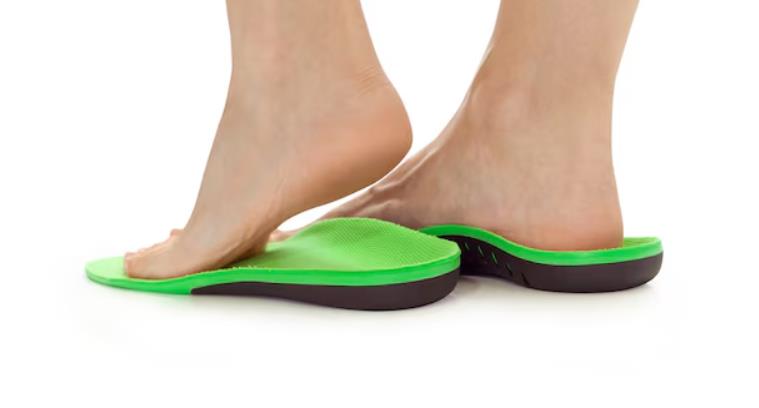
High arches fail to share weight across the foot. Pressure builds up in the heel and toes. This leaves an unsteady base.
Here is how high arch insoles for nurses and healthcare workers protect the feet:
1. Even Weight Spread
These insoles snug under the arch. They distribute pressure across the entire foot and improve balance. Now, no single part carries too much force.
2. Shock Softeners
Hospital floors feel hard. Without good cushions, the foot feels the full force. High-arch insoles soften every step, protecting bones and joints.
3. Better Body Line
A weak arch changes the way we stand and walk. That harms knees, hips, and spine. The right insole sets the foot straight and builds strong body lines.
4. Less Muscle Strain
Without support, foot muscles work too hard. High arch insoles ease that load and let you move with less pain and less effort.
Signs You Might Need a High Arch Insole
Unsure if your foot has a high arch? These signs may reveal the truth:
- Pain in heels or toes after walking
- Shoes wear down on the outer side
- A deep gap shows in your wet footprint
- Cramps in toes
- Wobbly steps or weak ankles
If these feel familiar, a good insole for high arch can ease the stress and protect your step.
Choosing the Right Insole for Your Foot Type
Your feet need the right fit. Both the insole for flat feet and the insole for high arch look similar, but work in very different ways.
Let us compare them clearly:
Look at your footprint or speak with a foot expert to find your match.
Why Healthcare Workers Need to Prioritise Foot Health
Many workers ignore foot pain. They stay busy helping others and forget their own health. But painful feet can slow you down, change your walk, or bring lasting damage.
The right insole can:
- Make walking easier
- Stop foot and joint pain
- Help you stand straighter
- Boost your energy all day
- Keep you going shift after shift
Your feet carry you everywhere. They deserve care and attention.
Do Insoles Work in All Shoes?
Most high-arch insoles fit into work shoes and trainers. But the shoe must have enough space and a soft bottom. If the shoe squeezes the foot, the insole cannot work well.
Choose shoes with:
- Room for the insole
- Thick and solid bottoms
- Breathable top fabric
This pairing protects your foot from pressure and heat.
Caring for Your Insoles
Your insoles work hard. Treat them well to keep their shape and use.
- Remove them after every shift and let them air out
- Rinse with warm water and gentle soap once a week
- Replace them every few months
- Keep them away from heaters or direct sunlight
This care helps them last longer and stay clean.
Real Impact: Feedback from Healthcare Workers
Nurses and support staff often share how good insoles change their day. Some feel fewer aches in their feet and backs. Others say they sleep better because their pain shrinks. Many feel stronger and lighter at work.
These changes do not take long. After a few days with the right support, your feet feel stronger, and your work feels smoother.
Final Thoughts
Comfort at work begins with your feet. Healthcare jobs demand movement, balance, and long hours. Without proper foot support, these tasks become harder and may lead to injury. Matching the correct insole to your foot shape, whether an insole for high arch or an insole for flat feet, protects your body. This small choice can ease pain, sharpen your focus, and lift your energy. If you often feel foot strain, do not wait. Your comfort shapes the care you give to others.
Frequently Asked Questions
1. Can I wear the same insole each day?
Yes. But let it rest at night so it stays fresh. Some workers rotate between two pairs to give them time to dry.
2. Will an insole take away all foot pain?
A good insole eases stress and helps you move better. But deep or lasting pain might need a doctor's checkup.
3. Can a person with flat feet use a high arch insole?
No. This might cause more pain. Flat feet need softer support, not high lifts.
4. How do I know the insole fits me?
Your insole should feel snug and steady. If it feels sharp, bulky, or odd, it might not be right. Your steps should feel smooth and pain-free.