How Flight Simulation Systems Are Transforming Aviation Training and Safety
By johnryan 31-03-2026 415
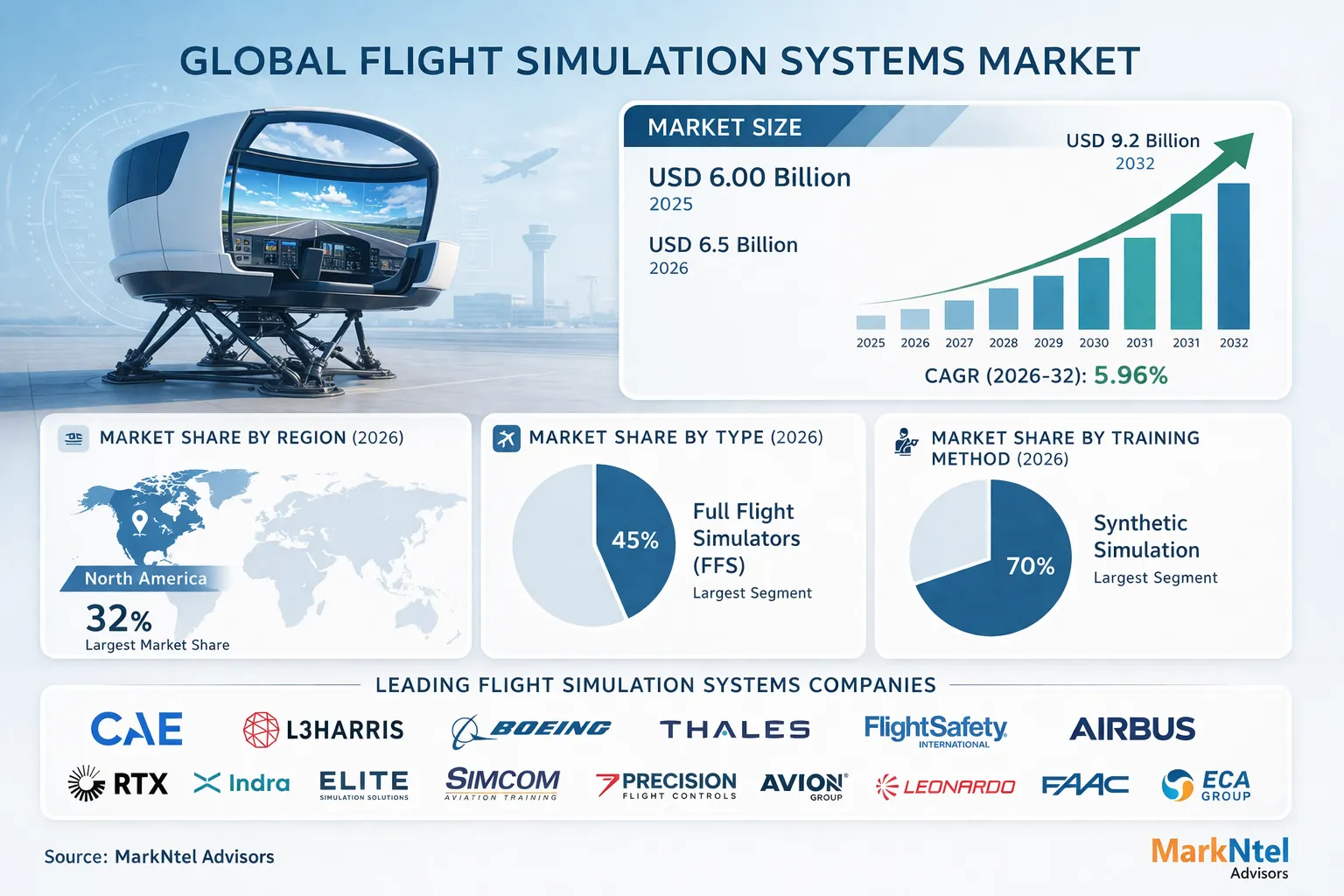
The aviation sector is undergoing a significant shift as technology reshapes how pilots and crew members are trained. Flight simulation systems, once limited to basic pilot instruction, are now integral to building a safer and more efficient aviation ecosystem. Their growing adoption reflects broader aviation training market trends, where organizations prioritize precision, scalability, and operational readiness.
Evolving Training Needs in Modern Aviation
The increasing complexity of aircraft systems and rising air traffic have intensified the need for structured and advanced training solutions. Airlines and training institutions are aligning their strategies with evolving pilot demand and training needs, especially as global fleets expand.
Simulation-based environments allow trainees to develop critical skills without real-world risks. These systems provide exposure to diverse flight conditions, ensuring pilots can respond effectively to both routine and emergency scenarios. As aviation operations become more data-driven, training programs are also shifting toward more adaptive and performance-based models.
Technology Enhancing Simulation Capabilities
Technological advancements are playing a key role in shaping the global flight simulation market. The integration of artificial intelligence, virtual reality, and real-time analytics has significantly improved the accuracy and immersion of simulators.
Modern systems now replicate cockpit environments with high precision, offering realistic visuals, motion feedback, and system responses. Cloud-enabled platforms further enhance accessibility, allowing training sessions to be conducted remotely while maintaining consistency in learning outcomes. These developments are not only improving training quality but also enabling organizations to scale their programs efficiently.
Role in Commercial Aviation Expansion
The expansion of airline networks and the introduction of new aircraft models are driving the adoption of commercial aviation training systems. Airlines are increasingly relying on simulation technologies to standardize training processes and maintain regulatory compliance.
Simulation helps reduce operational costs while ensuring that pilots are well-prepared for real-world challenges. It also enables continuous skill development, which is essential in a dynamic industry where technological upgrades are frequent. By integrating simulation into their training frameworks, airlines can achieve both efficiency and safety objectives.
Defense Applications and Strategic Training
Beyond commercial aviation, simulation systems play a critical role in military operations. Defense flight simulation programs are designed to prepare personnel for complex mission scenarios, including combat operations and tactical maneuvers.
Military organizations use advanced simulators to enhance readiness while minimizing resource consumption. These systems allow for repeated practice in controlled environments, improving decision-making under pressure. Leading companies such as CAE Inc., L3Harris Technologies, and Thales Group continue to develop sophisticated solutions tailored to both defense and commercial needs.
Infrastructure Development Supporting Growth
The expansion of aviation training capabilities is closely linked to investments in aerospace training infrastructure. Emerging economies are establishing new training centers and upgrading existing facilities to meet the rising demand for skilled professionals.
At the same time, established aviation hubs are modernizing their infrastructure with advanced simulators and digital training platforms. This combination of physical and technological development is creating a more robust training ecosystem that can support long-term industry growth.
Market Insights and Industry Direction
According to insights published by Markntel Advisors, the flight simulation systems market is witnessing steady growth, supported by increasing air travel and the need for efficient training solutions. The study highlights how advancements in simulation technology and the rising focus on safety are contributing to market expansion.
Additionally, the alignment of training programs with evolving industry requirements is reinforcing the importance of simulation systems. As organizations seek to balance cost efficiency with high training standards, simulation continues to emerge as a practical and scalable solution.
Challenges and Future Outlook
Despite its advantages, the adoption of flight simulation systems involves certain challenges. High initial investment costs and the need for continuous system upgrades can limit accessibility for smaller organizations. Ensuring realism and accuracy in simulation environments also remains a key consideration.
Looking ahead, the integration of data analytics and digital twin technologies is expected to further enhance simulation capabilities. These innovations will enable more personalized and predictive training approaches, improving overall effectiveness.
As highlighted by Markntel Advisors, the continued evolution of simulation technologies is set to play a crucial role in shaping the future of aviation training, aligning with industry demands for safety, efficiency, and scalability.
Conclusion
Flight simulation systems are redefining how aviation professionals are trained across both commercial and defense sectors. By addressing critical challenges such as safety, cost, and skill development, these systems are becoming indispensable in modern aviation. With ongoing technological advancements and increasing investments in training infrastructure, simulation is expected to remain at the forefront of aviation innovation.