How End-to-End IT Management Services Are Transforming the Garments Manufacturing Industry
By Arobit Tech 23-04-2026 207
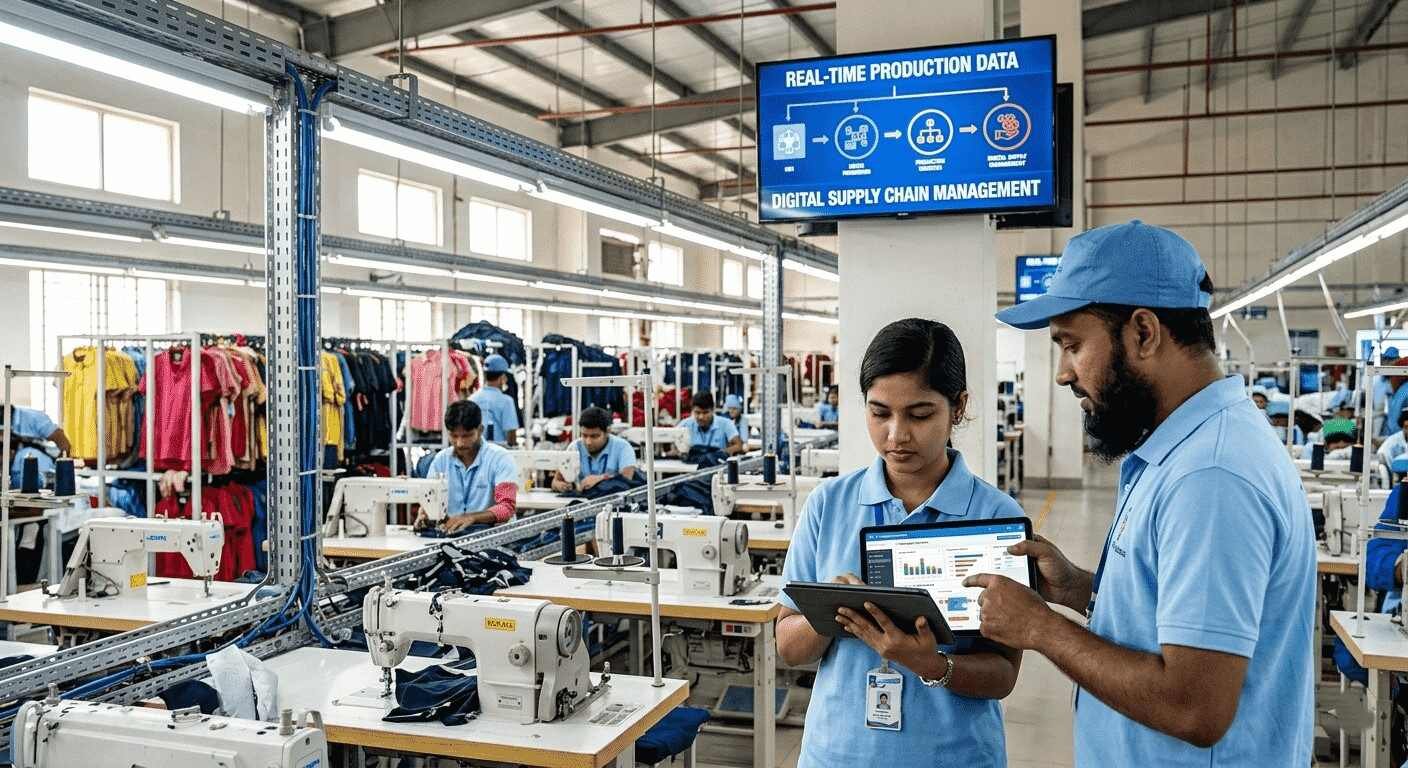
The textile industry has always been one of the most complex sectors to manage. From raw material procurement and production scheduling to quality control and order fulfillment, the number of moving parts is enormous. Today, many textile businesses are turning to technology to bring order to this complexity. Partnering with the right technology partner like Arobit Business Solutions Pvt. Ltd. can be the starting point for a complete operational shift, one that touches every layer of the business and creates measurable results.
The Real Challenges Textile Businesses Face Every Day
Walk into any mid-sized textile unit and you will find a familiar set of problems. Inventory records maintained on spreadsheets. Production delays caused by poor communication between departments. Customer orders tracked through phone calls and paper files. These are not small inefficiencies. Over time, they quietly drain revenue, damage client relationships, and make scaling the business nearly impossible.
The bigger challenge is that textile operations do not run in isolation. Factories, warehouses, suppliers, and retailers all need to stay in sync. Without a connected system managing the flow of information, decisions get made on incomplete data, and that leads to costly mistakes.
What End-to-End IT Management Actually Means
End-to-end IT management is not simply about installing software. It covers the entire technology ecosystem of a business: infrastructure, applications, data, cybersecurity, support, and ongoing maintenance. When this is done properly, it creates a single, unified environment where every department works from the same information in real time.
For textile businesses, this means production managers can see live inventory levels, sales teams can track order status without chasing the warehouse, and finance can access accurate cost data without waiting for manual reports. Everything connects, and everything works together.
IT managed support and services for textile businesses go a step further by providing ongoing monitoring, technical support, and system optimization. Rather than hiring a large in-house IT team, companies can rely on a dedicated external team that understands both technology and the specific demands of textile operations.
Where Technology Is Making the Biggest Difference
Production Planning and Scheduling
One of the most immediate benefits of integrated IT systems is better production planning. With accurate, real-time data on machine availability, raw material stock, and order deadlines, production managers can create schedules that are actually achievable. This reduces idle time, minimizes overtime, and helps meet delivery commitments consistently.
Inventory and Supply Chain Visibility
Overstocking ties up capital. Understocking halts production. Both are common in textile operations that rely on manual tracking. Automated inventory systems update stock levels as materials move, send alerts when supplies are running low, and generate purchase orders without human intervention. This kind of visibility across the supply chain saves both time and money.
Quality Control and Compliance Tracking
Textile businesses serving international markets face strict quality standards. Handling compliance manually takes a lot of time and increases the risk of mistakes. Digital quality management tools allow teams to log defects, track inspection results, and generate compliance reports with precision. Issues get caught earlier, and documentation stays organized and audit-ready.
Customer and Order Management
When customers place orders, they expect clarity on timelines and delivery. Integrated order management systems give sales and customer service teams instant access to order status, shipping updates, and billing information. This improves communication and builds trust.
Why Garment Manufacturers Are Getting on Board
The garment manufacturing segment faces even tighter margins and faster turnaround demands than other parts of the textile industry. Seasonal trends, fast fashion cycles, and global competition leave very little room for error. IT services for garments manufacturing industry address these pressures directly by automating repetitive tasks, improving accuracy across departments, and giving leadership the data they need to make smarter decisions faster.
Many garment manufacturers have also found that better IT infrastructure makes them more attractive to international buyers who require full process transparency, from fabric sourcing to final shipment.
The Long-Term Value of Getting IT Right
The benefits of well-managed IT do not stop at efficiency. When systems are reliable and data is accurate, business leaders can focus on growth rather than firefighting. They can identify which product lines are most profitable, which suppliers are most reliable, and where production costs can be reduced.
There is also the matter of cybersecurity. Textile businesses are increasingly targeted by ransomware and data theft, especially those with international trade connections. A managed IT service includes security monitoring, regular updates, and response planning, so the business does not have to handle this alone.
Over time, companies that invest in proper IT management find themselves better positioned to scale, adapt to market changes, and attract larger clients who demand a higher standard of operations.
Frequently Asked Questions
1. How long does it take to implement end-to-end IT management in a textile business?
The timeline depends on the size of the operation and existing infrastructure. Most implementations range from three to six months, with phased rollouts to minimize disruption.
2. Is it expensive for small textile businesses to adopt managed IT services?
Managed IT services are often more affordable than building an in-house team. Many providers offer scalable plans suited to small and mid-sized businesses.
3. Will staff need extensive training to use the new systems?
Training plays a key role during the implementation phase. Most modern platforms are built to be user-friendly, and the learning curve is generally short.
4. Can IT systems integrate with the machines already on the factory floor?
Yes, in most cases. Many IT solutions support integration with existing machinery through IoT sensors and standard communication protocols.
5. What happens if there is a technical issue or system downtime?
Managed IT service providers offer dedicated support teams and service level agreements that ensure fast response times and minimal operational impact.