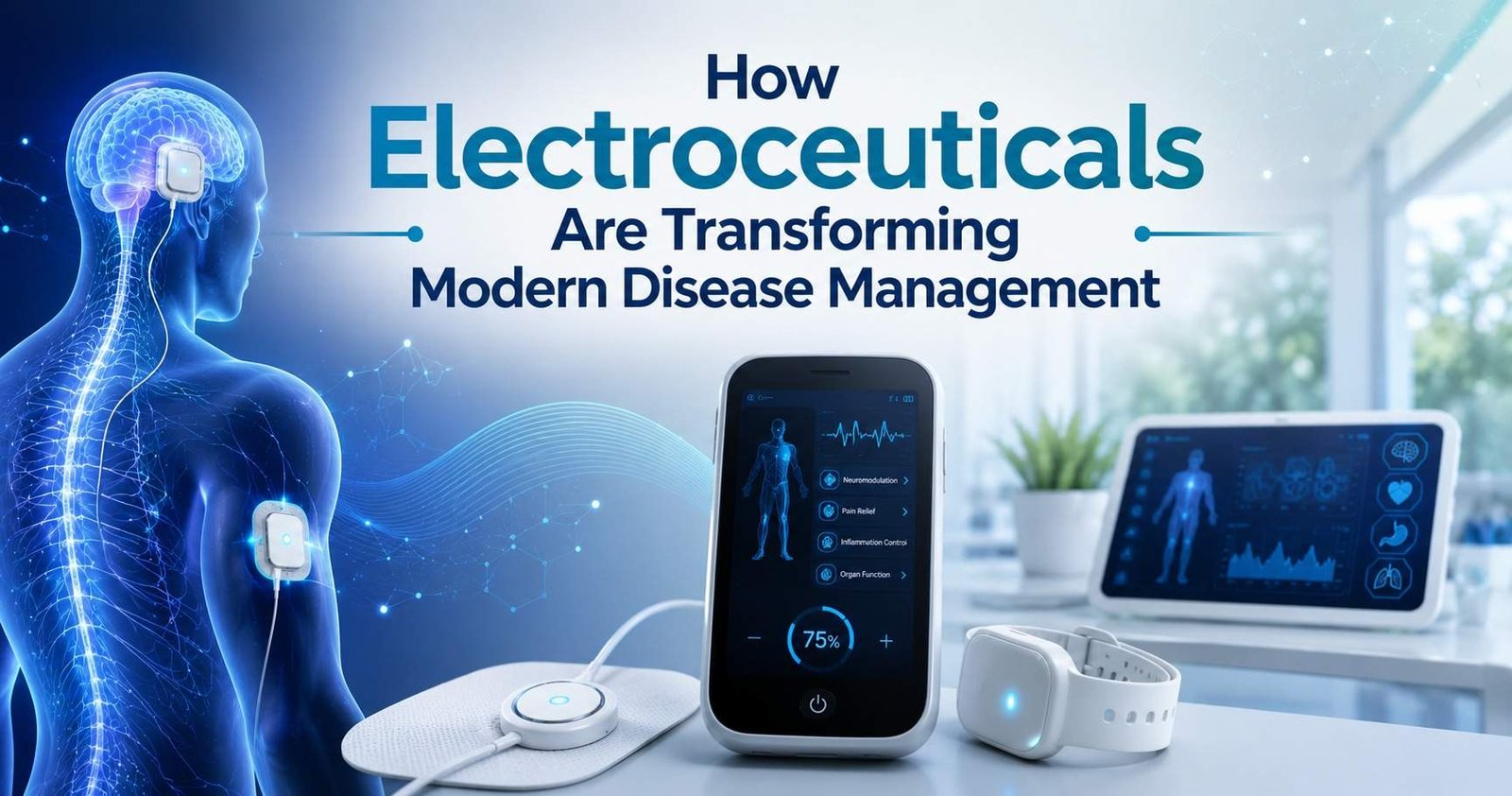
Electroceuticals, often referred to as bioelectric medicine, represent a growing area of healthcare innovation that uses electrical stimulation to influence neural pathways and biological functions. Unlike conventional pharmaceutical therapies, these solutions target specific nerves, tissues, or organs to help manage chronic conditions with greater precision. As healthcare systems increasingly prioritize personalized treatment approaches, electroceutical technologies are gaining attention across multiple therapeutic areas.
The growing prevalence of chronic illnesses, neurological disorders, cardiovascular diseases, and age-related health conditions has created a need for alternative therapeutic interventions. Healthcare providers are exploring technologies that can improve patient outcomes while reducing long-term dependence on medications. This shift is contributing to the wider adoption of advanced bioelectronic solutions across hospitals, specialty clinics, and research institutions worldwide.
Understanding the Growing Role of Bioelectric Medicine
Bioelectric medicine combines neuroscience, engineering, and medical technology to regulate biological signals within the body. These therapies use devices such as pacemakers, cochlear implants, neurostimulators, and implantable cardioverter defibrillators to deliver targeted electrical impulses. According to a recent analysis of bioelectric medicine technologies, the global sector is projected to expand at a CAGR of around 7.3% during 2024–2030, reflecting growing interest in innovative therapeutic solutions.
One of the key advantages of electroceuticals is their ability to address specific physiological functions without affecting the entire body. This targeted approach may help minimize side effects often associated with long-term drug therapies. As a result, patients and healthcare professionals are increasingly evaluating bioelectric medicine as a complementary or alternative treatment option.
Rising Chronic Disease Burden Driving Adoption
The increasing incidence of chronic diseases remains one of the most significant factors influencing demand for electroceutical therapies. Cardiovascular disorders, neurological conditions, chronic pain syndromes, hearing impairments, and epilepsy continue to affect millions of individuals globally. Many of these conditions require long-term management strategies that extend beyond traditional medications.
Healthcare organizations and research institutions are also supporting awareness initiatives focused on advanced treatment options. Programs aimed at educating patients about innovative therapies have improved public understanding of bioelectronic medicine. The Alliance for Advancing Bioelectronic Medicine, for example, launched awareness campaigns to highlight developments in this emerging field and encourage informed healthcare decisions.
Technological Advancements Expanding Clinical Applications
Continuous innovation is enhancing the effectiveness and accessibility of electroceutical devices. Improvements in device miniaturization, battery performance, wireless connectivity, and precision stimulation technologies are enabling broader clinical applications. These advancements allow healthcare providers to deliver more personalized therapies tailored to individual patient needs.
Manufacturers are also investing heavily in research and development to improve device safety and long-term performance. Recent product launches and regulatory approvals demonstrate the industry's focus on expanding therapeutic capabilities. For instance, advanced neural navigation software and next-generation vagus nerve stimulation systems are helping clinicians manage complex neurological disorders more effectively.
Why North America Leads Bioelectric Medicine Innovation
North America continues to maintain a strong position in the electroceuticals landscape due to its advanced healthcare infrastructure, significant research investments, and widespread adoption of innovative medical technologies. The region benefits from established regulatory frameworks that support the development and commercialization of advanced therapeutic devices.
Additionally, the growing prevalence of cardiovascular and neurological disorders has encouraged healthcare providers to adopt solutions that improve treatment outcomes. Government support for healthcare modernization and increased funding for clinical research further contribute to regional growth. These factors collectively strengthen the role of North America as a major hub for bioelectric medicine innovation.
Key Device Categories Shaping Industry Development
Several categories of electroceutical devices are driving industry advancement. Cardiac pacemakers and implantable cardioverter defibrillators remain among the most widely adopted solutions due to the growing burden of heart-related diseases. These devices help regulate cardiac activity and reduce the risk of life-threatening complications.
Cochlear implants are another important segment, offering improved hearing capabilities for individuals with severe hearing loss. Neuromodulation technologies, including spinal cord stimulators, deep brain stimulators, vagus nerve stimulators, and sacral nerve stimulators, are also expanding their presence in clinical settings. Their ability to address neurological and chronic pain conditions continues to generate interest among healthcare professionals.
Future Outlook for Electroceutical Therapies
The future of electroceuticals is closely linked to advancements in neuroscience, digital health, and precision medicine. As researchers gain a deeper understanding of neural pathways and biological signaling mechanisms, new therapeutic opportunities are expected to emerge. Continued integration of artificial intelligence, remote monitoring capabilities, and connected healthcare platforms may further improve treatment effectiveness.
Growing healthcare awareness, expanding clinical evidence, and ongoing technological innovation are likely to support the broader adoption of bioelectric medicine over the coming years. While traditional pharmaceutical treatments will continue to play a vital role in healthcare, electroceuticals are increasingly positioned as an important component of modern disease management strategies. Their ability to deliver targeted, durable, and patient-focused therapies highlights their growing significance within the evolving healthcare ecosystem.