How Egyptian Families Are Balancing Affordability and Kids’ Fashion
By Adam Williamson 13-10-2026 37
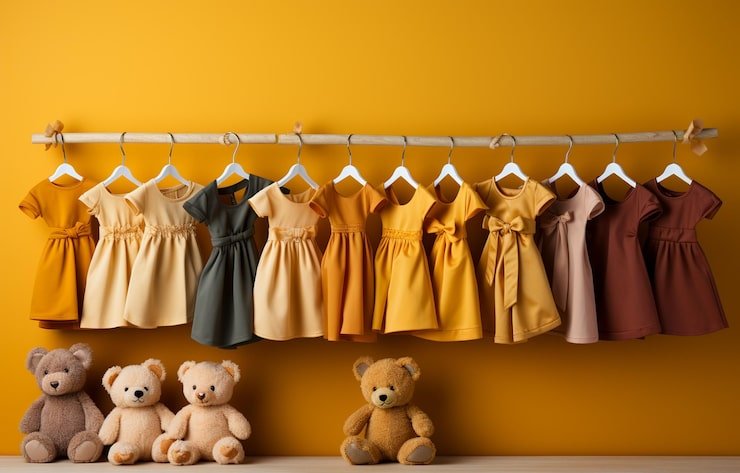
Children’s clothing in Egypt is increasingly influenced by a practical combination of affordability, local identity and changing fashion awareness. Families continue to prioritize essential apparel that offers comfort and durability, while locally produced clothing is gaining attention as shoppers look for accessible alternatives to imported products. Digital discovery is adding another dimension, exposing parents and younger consumers to new styles while physical stores remain important for assessing fit and quality.
According to a Vyansa Intelligence report, Egypt’s childrenswear sector was valued at USD 210 million in 2025 and is projected to reach USD 245 million by 2032, representing a 2.23% CAGR during 2026–2032. The figures are used selectively in accordance with the supplied editorial guidelines.
Local Clothing Is Finding Stronger Cultural Relevance
One of the defining influences on Egyptian childrenswear is increasing interest in locally manufactured apparel. Domestic products can connect affordability with designs that reflect familiar consumer preferences, giving families alternatives when imported clothing becomes more difficult to justify within household budgets.
The underlying analysis of Egypt’s childrenswear sector identifies locally manufactured clothing and stronger cultural affiliation as important influences on purchasing behaviour.
Affordability Is Guiding Family Purchases
Children regularly outgrow clothing, which makes replacement a recurring household expense. Parents consequently need to balance price against durability, comfort and everyday usefulness when selecting shirts, trousers, dresses, schoolwear and other essentials.
Economic pressures have made this balance particularly important in Egypt. The source research identifies price sensitivity and pressure on household purchasing power as major considerations affecting childrenswear consumption.
For families, value can therefore mean finding clothing that remains functional throughout the period in which a child can comfortably wear it.
Everyday Apparel Prioritizes Practicality
Children’s wardrobes need to accommodate school, recreation, family activities and daily movement. Practical clothing that can withstand regular washing and repeated use naturally fits these requirements.
The Egypt study highlights continued demand for essential, casual and value-oriented apparel as families prioritize comfort and practicality. This creates opportunities for manufacturers to concentrate on dependable fabrics, functional construction and versatile designs rather than relying exclusively on fashion-led differentiation.
Safety Standards Matter for Children’s Clothing
Clothing designed for children needs to meet expectations extending beyond appearance and comfort. Fabric composition, chemical safety, construction and product information can all influence whether a garment is appropriate for everyday use.
Egypt’s Organization for Standardization and Quality maintains a specific standard covering safety, health and data requirements for textile clothing. The standard applies to clothing for men, women and children across different materials and sizes.
This provides an important technical foundation for businesses producing or supplying children’s apparel.
Product Information Supports Better Clothing Choices
Clear garment information can help parents understand what they are purchasing and how clothing should be maintained.
Egypt’s General Organization for Export and Import Control outlines textile conformity requirements that include product information covering the fabric or fibre composition, size or dimensions, country of origin and appropriate care instructions. Requirements also address product-safety documentation for children’s textile products.
For detailed childrenswear industry insights, labelling and traceability are therefore relevant parts of product quality rather than administrative considerations alone.
Consistent Sizing Can Improve the Shopping Experience
Fit is one of the most persistent challenges in childrenswear because children’s bodies change continuously. Clear sizing information can reduce uncertainty for parents, particularly when purchasing clothing without allowing the child to try it on first.
Egypt’s Organization for Standardization and Quality maintains a dedicated standard concerning numeric garment sizes and corresponding symbols for children’s, boys’ and girls’ clothing.
Consistent size communication becomes especially useful as apparel purchasing moves between physical and digital channels.
Physical Stores Continue to Provide Reassurance
Parents often want to inspect children’s clothing before purchasing it. Fabric feel, stitching, sizing and overall construction can be easier to evaluate in person than through a digital product page.
The underlying Egypt childrenswear industry research identifies offline retail as the dominant purchasing environment and notes the continued importance of stores for assessing fit, comfort and quality.
Local boutiques and value-oriented outlets can also serve families seeking affordable alternatives.
Digital Discovery Is Expanding Fashion Awareness
Although physical retail remains important, online channels are influencing how parents and younger consumers discover clothing.
Social platforms expose shoppers to international fashion ideas, new styling approaches and different childrenswear designs. The supplied study identifies digital engagement and youth-driven fashion awareness as an important opportunity for the sector.
Retailers can support this behaviour with clear product photographs, accurate measurements, material descriptions and practical information that reduces uncertainty when clothing is viewed online.
Younger Consumers Can Influence Style Decisions
As children become older, their personal preferences can become more visible in family purchasing decisions. Exposure to digital fashion content can influence preferences concerning colours, silhouettes and overall styling.
This does not eliminate parents’ focus on affordability and durability. Instead, childrenswear increasingly needs to satisfy two perspectives: the practical requirements of the purchaser and the aesthetic preferences of the wearer.
For brands, combining contemporary styling with accessible everyday clothing can address both considerations without compromising functionality.
Domestic Production Can Support Greater Product Relevance
Locally manufactured childrenswear has an opportunity to respond closely to Egyptian consumer preferences.
Domestic producers can develop clothing around familiar styling, practical price positioning and everyday requirements. The source study specifically connects the increasing appeal of Egyptian-made apparel with cultural identity and consumer interest in accessible local alternatives.
This creates space for local fashion to compete through relevance rather than attempting to replicate imported products without adaptation.
Practicality and Identity Are Coming Together
Egyptian childrenswear increasingly reflects the intersection of family economics, cultural identity and changing fashion discovery.
Parents continue to prioritize comfortable, durable and affordable clothing, while interest in locally produced apparel gives domestic fashion greater relevance. Digital platforms are simultaneously widening style awareness among families and younger consumers.
The strongest product propositions are likely to be those that recognize these priorities together: practical clothing suited to children’s everyday activities, clear product information, appropriate safety considerations and designs that feel relevant to Egyptian families.