How Does a Roofing Contractor Check for Hidden Structural Damage?
By Pointe Roofing Pros 02-12-2025 35
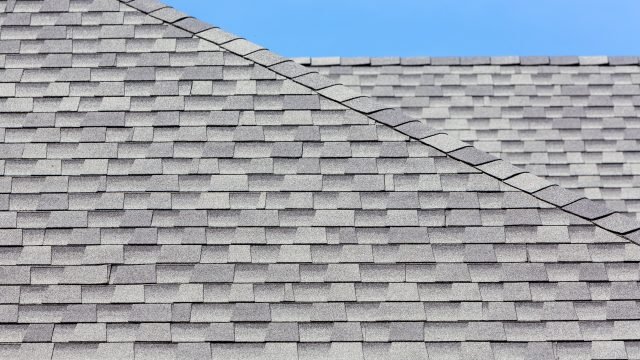
Your roof should feel like a shield over your family. Yet hidden damage can grow quietly under the surface. You might notice a small stain or a loose shingle and hope it’s nothing—but deep down, you worry about leaks, mold, or damaged wood. When you call our skilled Roofing Contractor Eastpointe, you receive more than a quick fix. You gain a trained expert who sees beyond what’s visible from the ground. With a full inspection of every layer of your roof, you get the confidence and safety your home deserves. In this guide, you will see how careful roof checks protect your home, your savings, and your peace of mind.
Why Hidden Structural Damage Puts Your Family at Risk
Hidden structural damage often starts small. A slow leak, a cracked board, or a rusty nail can grow into a serious issue. Rotten wood can weaken the roof deck and threaten the safety of your home. However, our trusted roofing contractor knows how to spot danger signs early. This care matters to you because it can prevent sudden repair bills and stressful emergencies.
“The damage you cannot see is often the damage that hurts you most.”
When our roofing contractor Eastpointe, inspects your home, they scan the roofline for sagging and gently check for soft or weakened sections where moisture may be trapped. Finding these problems early means quicker fixes, lower costs, and better long-term protection for your home.
Step One: Exterior Roof Inspection From the Ground
A complete inspection often starts on the ground. The contractor walks slowly around your home and studies the roof from all sides. They look for uneven lines, missing shingles, dark streaks, or areas that seem to dip. At the same time, they check gutters and downspouts for signs of wear and clogs. Before they ever climb a ladder, they use this view to spot patterns and trouble zones.
From the ground, a careful roofing contractor often focuses on:
- The overall shape of the roof line
- Spots that sag or appear slightly sunken
- Heavy debris or branches resting on the roof
- Overflowing or damaged gutters and downspouts
Because they look from a distance first, they can see the big picture of your roof. When they note these early clues, the next steps of the inspection become more focused. This first step gives you a clear starting point for any needed repairs.
Step Two: Close-Up Roof Surface and Shingle Check
Next, the contractor usually climbs onto the roof itself, if it is safe to do so. From this close-up view, they examine each section of shingles or other roofing material. They look for curling edges, cracked pieces, or missing granules that expose the underlayers. Every small flaw can let water in and start hidden damage over time.
They also check flashing around chimneys, vents, and skylights. Loose or cracked flashing can guide water under the roof surface. Even tiny gaps can cause big trouble during heavy rain or snow.
Since roofing and siding work together as a single system, an inspection also provides an opportunity to identify siding issues early. If you expect to book our siding installation service Eastpointe, the inspector can note how the roof ties into the siding and whether improvements are needed. A well-coordinated exterior helps water drain properly and prevents hidden moisture from accumulating. This provides a clearer understanding of the actual condition of your home’s exterior.
How a Roofing Contractor Eastpointe Evaluates Attic and Interior Signs
After the outside check, the attic and interior spaces tell more of the story.
- Attic clues that matter
In the attic, the contractor looks for wet spots, dark stains, or mold on the wood. They also check insulation for damp areas that signal past or current leaks. Poor airflow can trap moisture and heat, which slowly weakens the structure over time. They may also look for rusted nails or frost marks, which can show where warm air escapes and condenses.
- Interior signs you should not ignore
Inside your living spaces, cracks near ceilings, peeling paint, or new stains can all be red flags. The contractor studies these spots and connects them to the roof areas above. When they link inside and outside clues, they can trace the true path of water and stress. This full view helps protect your comfort and your long-term repair costs.
Using Tools and Testing to Find Hidden Weak Spots
Modern inspections rely on more than sharp eyes. Skilled contractors use simple tools to reveal problems you cannot see. Moisture meters can detect damp wood under a dry-looking surface. Infrared devices can spot temperature changes that suggest hidden leaks or missing insulation. Probing tools help test soft spots in the deck without tearing everything open.
“Good tools do not replace a pro; they help a pro protect your home faster.”
Sometimes, signs on the siding also hint at roof trouble above. When you work with an exterior siding contractor near me, they may see swelling boards or warped panels. These issues can point back to roof leaks or poor flashing. To help you understand, your contractor might share findings in a simple chart:
Tool or Method | What it Checks | Why it Matters to You |
|---|---|---|
Moisture meter | Hidden damp wood | Helps prevent rot and mold early |
Infrared scan | Temperature changes under surfaces | Reveals leaks without opening walls |
Gentle probing | Soft or weak roof decking | Shows where the structure needs support |
When Roof Problems Connect to Your Home’s Siding
Roof damage rarely stays in one place. When water runs down incorrectly, it can attack your siding and trims. Over time, paint peels, boards warp, and gaps open for more moisture and pests. During an inspection, the contractor studies these meeting points with care. They know that one weak area can affect your whole home shell.
If you plan a future siding installation service Eastpointe, this joint view becomes even more important. You want new siding to sit on a solid, dry structure. By fixing roof issues first, you give your siding a better chance to last for many years. This approach protects your investment and keeps your home looking strong and clean.
Questions You Can Ask During a Roof Inspection
You should never feel afraid to ask questions during an inspection. In fact, good contractors welcome them. Your questions help them explain what they see in simple, clear terms. This way, you stay involved in each step that protects your home.
Here are helpful questions you can ask to gain peace of mind:
- Which areas of my roof worry you the most right now?
- What signs show hidden damage instead of normal wear?
- How soon should I act on the issues you found?
- What simple steps can I take to reduce future problems?
If you also speak with an exterior siding contractor near me, you can ask how roof and siding repairs should work together. When all pros share clear plans, your home gains a safer and stronger future.
Your Next Safe Step Toward a Stronger Roof
Hidden structural damage can feel scary, but you are not helpless. When you invite a careful Roofing contractor Eastpointe to inspect your home, you gain clear answers instead of guesses. You learn where your roof is strong, where it is weak, and what matters most right now. If you’re ready to make informed roofing decisions and avoid costly surprises, reach out to Pointe Roofing Pros—your trusted local team for clear guidance and long-lasting protection.