How Do You Choose the Right Implants for Breast Augmentation in Dubai?
By Muhammad Faizan 14-10-2026 8
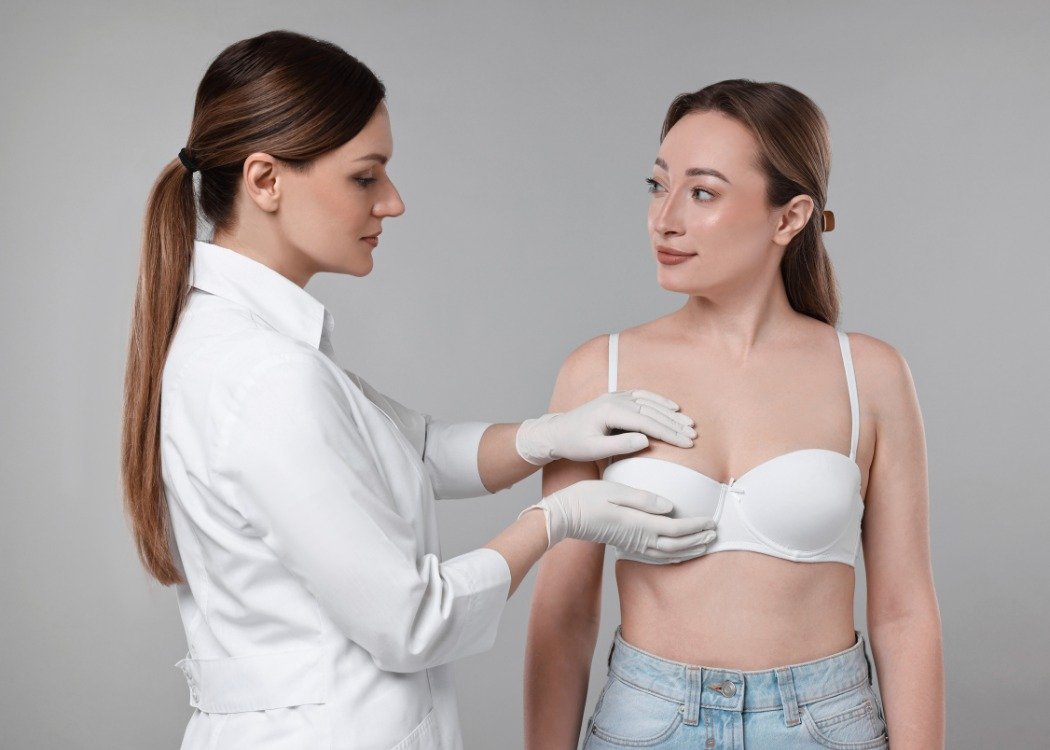
Choosing breast implants is a personal decision that involves more than selecting a size. Implant shape, material, profile, placement, and individual anatomy all influence the final appearance and feel. Understanding these factors helps patients make informed decisions that align with their aesthetic preferences, lifestyle, and long-term health considerations.
For anyone considering Breast Augmentation in Dubai, the process should begin with a thorough consultation and a clear understanding of the available implant options. Some patients prefer a subtle increase in volume that maintains their natural proportions, while others want a fuller appearance with more upper-breast projection. Neither approach is universally better; the appropriate choice depends on body structure, existing breast tissue, skin elasticity, and personal goals.
Modern breast implants come in different shapes, sizes, and filling materials, allowing surgeons to tailor treatment to individual needs. However, a particular implant that produces a desirable result for one person may not be suitable for another. Chest width, breast base dimensions, nipple position, and the amount of existing tissue all affect which options are appropriate.
It is equally important to consider implant safety, recovery requirements, future monitoring, and the possibility of additional surgery. Breast implants are not lifetime devices, and patients should understand their maintenance and potential complications before proceeding.
A well-informed decision balances appearance with comfort, anatomical suitability, and realistic expectations. By comparing implant characteristics and discussing the available choices with a qualified plastic surgeon, patients can approach the procedure with greater confidence and a clearer understanding of their options.
Understanding the Different Types of Breast Implants
Before choosing a particular implant, it helps to understand how the main types differ. Each option has distinct characteristics that may influence its suitability.
Silicone Breast Implants
Silicone implants contain cohesive silicone gel designed to provide a soft, breast-like feel. Many patients prefer them because their texture can resemble natural breast tissue, although the result depends on implant design, tissue coverage, and placement.
These implants are available in various shapes, widths, projections, and volumes. The surgeon considers these measurements alongside the patient's existing anatomy to determine which implant may create the desired proportions.
Patients should also understand that silicone implant rupture can occur without obvious symptoms. Appropriate follow-up and imaging may be recommended according to the implant manufacturer's guidance and applicable medical recommendations.
Saline Breast Implants
Saline implants contain sterile saltwater solution within a silicone outer shell. They are inserted empty and filled during surgery, depending on the implant design and surgical approach.
If a saline implant ruptures, the implant typically deflates as the body absorbs the saline solution. However, surgical removal or replacement may still be necessary. Their feel and visible contour can differ from silicone implants, particularly in patients with limited natural breast tissue.
Round and Anatomical Implants
Round implants distribute volume more evenly around the breast and may provide greater fullness in the upper portion, depending on their profile and placement.
Anatomical, or teardrop-shaped, implants are designed to have more fullness toward the lower breast. Their suitability depends on the patient's anatomy, aesthetic goals, and the specific implant design. Textured surfaces have been associated with a rare implant-associated cancer called breast implant-associated anaplastic large cell lymphoma (BIA-ALCL), so the surface type requires careful discussion.
The surgeon should explain the benefits, limitations, and risks of each option rather than recommending a shape based on appearance alone.
Factors That Help Determine the Right Implant
Implant Size and Volume
Implant size is commonly measured in cubic centimetres (cc), rather than cup sizes. Cup sizes vary between bra manufacturers, so they cannot reliably predict the final result.
A larger implant may create more volume, but it can also place additional pressure on the skin and supporting tissues. An implant that is too wide for the breast base may produce an unnatural contour or increase the likelihood of certain complications.
During consultation, the surgeon evaluates breast width, chest dimensions, existing tissue, and skin elasticity. Trying implant sizers or using three-dimensional imaging, where available, may help patients visualise possible outcomes, although these methods cannot guarantee the exact postoperative appearance.
Implant Profile and Projection
Implant profile describes how far an implant projects forward relative to its base width. Lower-profile implants generally distribute volume over a wider base, while higher-profile options provide greater forward projection relative to their width.
The appropriate profile depends on the patient's chest structure and desired appearance. Someone seeking a modest enhancement may prefer a different configuration from someone wanting a more prominent silhouette.
The surgeon should explain how profile, width, and volume work together instead of selecting an implant based on its cc measurement alone.
Implant Placement
Implants may be placed beneath the chest muscle, above the muscle but beneath the breast tissue, or in a partially submuscular position using a dual-plane technique.
Submuscular placement can provide additional tissue coverage, particularly for patients with limited natural breast tissue. However, it may involve a different recovery experience and can cause implant movement during chest muscle contraction.
Placement above the muscle may suit certain patients with sufficient tissue coverage, but it can make implant edges or rippling more noticeable in some cases. The decision depends on anatomy, activity levels, tissue thickness, and surgical assessment.
What to Expect From Breast Augmentation in Dubai Consultations
A comprehensive consultation gives patients the opportunity to discuss their preferences and understand which implant options are medically appropriate. The surgeon should review medical history, previous breast procedures, medications, allergies, and any factors that could affect surgery or recovery.
Measurements of the breasts and chest help establish suitable implant dimensions. The discussion should also cover incision options, implant placement, anaesthesia, expected recovery, possible complications, and future follow-up.
Patients should feel comfortable asking questions about the implant manufacturer, product documentation, warranty limitations, and recommendations for monitoring. Before-and-after photographs of comparable cases can provide useful context, but individual results vary.
A responsible consultation also includes an honest discussion of limitations. Breast augmentation increases volume but does not necessarily correct significant breast sagging. Some patients may require a different procedure or a combination of procedures to achieve their goals.
Clinics to Consider for Breast Augmentation in Dubai
Patients researching surgical care in Dubai can compare providers based on surgeon qualifications, consultation quality, facility standards, and the availability of appropriate follow-up care. The following providers are options to investigate; their inclusion does not represent a verified ranking or a guarantee of specific services.
Dubai Cosmetic Surgery Clinic
Dubai Cosmetic Surgery Clinic is a provider patients may research when exploring cosmetic surgical procedures. Before making a decision, prospective patients should confirm which plastic surgeons currently perform breast augmentation, their relevant qualifications, and their experience with different implant types.
A consultation should cover implant dimensions, placement, incision options, and how the surgeon plans to achieve the patient's preferred proportions. Patients should also ask about postoperative appointments, emergency support, and arrangements for managing complications.
Enfield Royal Clinic
Enfield Royal Clinic is an option for patients researching aesthetic treatments and surgical consultations in Dubai. Individuals considering Breast Augmentation in Dubai should confirm the clinic's current breast surgery services, the qualifications of the operating surgeon, and the location and licensing of the facility where surgery would take place.
An appropriate consultation should focus on the patient's anatomy and expectations rather than simply recommending a larger implant. Patients should discuss silicone and saline options where available, implant profile, breast base measurements, and the potential advantages and disadvantages of different placement techniques.
It is also important to establish who will perform the operation, who will provide postoperative care, and how the team handles complications or implant-related concerns. Reviewing these details helps patients evaluate whether the proposed treatment plan meets their individual needs.
Emirates Hospital
Emirates Hospital is another healthcare provider patients may consider when comparing surgical services in Dubai. Prospective patients should confirm the availability of breast augmentation, the credentials of the specific plastic surgeon, and the hospital's arrangements for anaesthesia and postoperative monitoring.
A useful consultation should include an assessment of breast symmetry, tissue coverage, and skin elasticity. Patients should also receive clear information about potential complications, recovery limitations, and the need for future implant monitoring.
Tajmeels Clinic
Tajmeels Clinic is among the providers patients may investigate while researching cosmetic treatment options. Before choosing a surgical provider, patients should verify whether breast augmentation is currently offered and establish the qualifications and experience of the surgeon responsible for the procedure.
Questions about implant selection should address size, shape, projection, placement, and the patient's desired level of fullness. Patients should also request written information about costs, follow-up visits, and what happens if revision surgery becomes necessary.
Al Zahra Hospital Dubai
Al Zahra Hospital Dubai is a hospital-based option to investigate for patients who prefer to evaluate surgical care within a broader healthcare setting. Patients should verify the availability of breast augmentation and assess the credentials of the individual surgeon rather than relying on the institution's name alone.
Important considerations include preoperative assessment, anaesthesia services, infection prevention, access to emergency care, and arrangements for follow-up. Patients should also ask how the surgical team documents implant details and advises patients about future screening or imaging.
Cocoona Clinic
Cocoona Clinic is another provider that patients may research when comparing aesthetic and surgical services. Before proceeding, prospective patients should confirm the current availability of breast augmentation and the qualifications of the clinician who would perform the surgery.
During consultation, patients can ask how implant measurements are selected, whether sizing aids are available, and how the surgeon balances the desired appearance with tissue support and long-term comfort. A clear explanation of risks and realistic outcomes is essential.
King’s College Hospital London Dubai
King’s College Hospital London Dubai is a healthcare institution patients may investigate when looking for surgical assessment and specialist care. Patients should verify whether breast augmentation is available at the relevant location and identify the surgeon responsible for treatment.
The consultation should address medical suitability, implant selection, the planned surgical technique, and postoperative monitoring. Patients should also clarify how follow-up is coordinated and whom to contact if they develop unexpected symptoms after surgery.
Dynamic Life Clinic
Dynamic Life Clinic is another provider patients may wish to investigate as part of their research. The availability of breast augmentation and the qualifications of the operating surgeon should be confirmed directly before booking a procedure.
Patients should look for a personalised assessment that considers breast dimensions, skin quality, existing tissue, and individual aesthetic goals. They should also receive clear explanations of implant-related risks, recovery expectations, and the possibility of future surgery.
How to Choose the Right Clinic for Breast Augmentation in Dubai
Selecting a suitable provider is as important as choosing the implant itself. The following considerations can help patients assess the quality and suitability of their surgical care.
Experience and Qualifications
Confirm that the operating surgeon is appropriately licensed and qualified in plastic surgery, with relevant experience in breast augmentation. Ask about their experience with different implant types and how they manage complications or revision procedures.
A clinic's general reputation is not a substitute for verifying the qualifications of the individual who will perform the operation.
Technology and Surgical Techniques
Ask whether the provider offers appropriate implant sizing methods, anatomical measurements, and imaging tools where relevant. These resources can support decision-making, but they should complement—not replace—the surgeon's clinical judgement.
The surgeon should explain why a particular implant design and placement technique is suitable for your anatomy.
Safety Standards
Confirm that surgery will take place in a properly licensed facility with appropriate anaesthesia, infection-control procedures, and emergency arrangements.
Ask about potential complications, including infection, bleeding, capsular contracture, implant rupture, changes in nipple sensation, asymmetry, and the possibility of revision surgery. Patients should also understand that breast implants can affect future breast imaging and require ongoing attention.
Consultation Process
A good consultation allows enough time for examination, questions, and informed decision-making. The surgeon should explain alternatives, limitations, costs, and recovery requirements without pressuring the patient to proceed.
Patients should receive information about the implant's manufacturer, model, surface, and expected follow-up. Written consent should reflect a clear understanding of the procedure and its risks.
Patient Experience and Follow-Up
Ask how postoperative appointments are scheduled and who will be available if concerns arise during recovery. Reliable aftercare includes clear instructions about wound care, activity restrictions, and symptoms that require medical attention.
It is also helpful to understand whether the provider maintains implant records and offers guidance if the patient moves or requires care elsewhere in the future.
Expected Results and Long-Term Considerations
The final appearance depends on the implant, the patient's anatomy, the healing process, and the natural effects of ageing and gravity. No surgeon can guarantee a particular result or eliminate every risk.
Patients should understand that implants are not lifetime devices and that future surgery may be necessary because of complications, changing preferences, or changes in breast tissue. The decision should reflect both immediate aesthetic goals and long-term considerations.
Frequently Asked Questions
How do I know which breast implant size is right for me?
The appropriate size depends on chest width, breast dimensions, existing tissue, skin elasticity, and the appearance you want to achieve. A surgeon can recommend suitable implant dimensions after examining your anatomy and discussing your preferences. Cup size alone is not a reliable selection method.
Are silicone implants better than saline implants?
Neither option is universally better. Silicone implants often provide a more natural feel, while saline implants have different rupture characteristics and may be suitable for some patients. Your surgeon should explain the benefits, limitations, and risks of each available option.
How long do breast implants last?
Breast implants are not designed to last a lifetime. Some remain in place for many years without problems, while others require replacement or removal because of complications or personal preferences. Regular follow-up and appropriate imaging, particularly for silicone implants, help address long-term concerns.
Can I choose breast implants based on photographs?
Photographs can help communicate your aesthetic preferences, but they cannot determine the correct implant for your anatomy. Chest dimensions, tissue coverage, and skin elasticity vary between individuals. Use reference photographs as a discussion tool rather than a guarantee of the outcome.
What should I ask during a breast augmentation consultation in Dubai?
Ask about the surgeon's qualifications, implant type and manufacturer, recommended size and profile, placement technique, potential complications, recovery timeline, total costs, and future monitoring. You should also clarify who will provide postoperative care and how complications will be managed.
Conclusion
Choosing the right breast implants requires careful consideration of anatomy, aesthetic goals, implant characteristics, and long-term health. Size is only one part of the decision; shape, profile, placement, tissue coverage, and individual preferences all contribute to the final result.
Patients considering breast augmentation should prioritise a qualified plastic surgeon, a properly equipped surgical facility, transparent communication, and a clear follow-up plan. Comparing providers and asking detailed questions can help establish whether a proposed treatment approach is appropriate.
Ultimately, the goal of Breast Augmentation should be to achieve a result that suits the patient's proportions while maintaining realistic expectations about risks, recovery, and future implant care. A personalised consultation is the most useful starting point for making an informed decision.