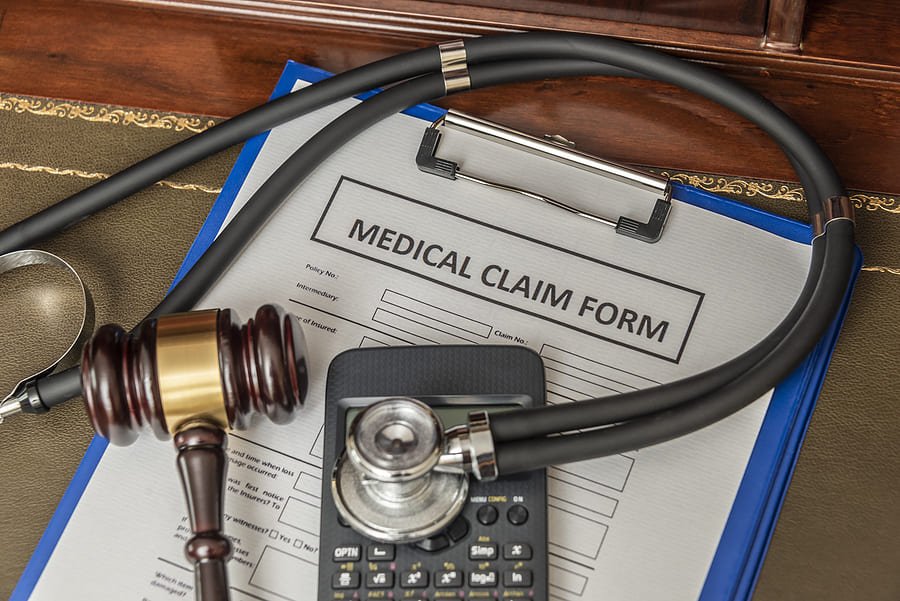
When someone suffers an injury because of an accident, making a claim can feel confusing. It is often difficult to explain how the injury happened, how serious it is, and how it affects daily life. A medical assessment helps provide a clear picture of the person's condition and the treatment they may need. Medical legal experts UK can help provide independent medical opinions that support the injury claims process by explaining the nature of an injury, its effects, and the possible recovery time.
What Is a Medical Assessment for an Injury Claim?
A medical assessment is an examination carried out by a qualified medical professional to understand the injuries a person has suffered. It may be arranged after a road traffic accident, an accident at work, a public place incident, or another event that has caused harm.
During the assessment, the medical professional asks questions about the accident, the symptoms, and any treatment received. They may also review medical records and examine the injured area.
The findings can be used to prepare a medical report. This report helps explain the injury in clear terms and may be used as evidence during an injury claim.
Why Are Medical Assessments Important for Injury Claims?
Medical assessments are important because they provide evidence about the injuries a person has suffered. Without suitable medical evidence, it may be difficult to show the full impact of an injury.
For example, someone may experience neck pain after a car accident. Although the pain may not be easy to see, it could affect their ability to work, sleep, drive, or carry out daily tasks.
A medical assessment can record these symptoms and explain how they may affect the person's life. This information can help solicitors and insurers understand the injury when considering a claim.
Medical evidence does not automatically mean a claim will succeed. However, it can help support the facts and give a clearer understanding of the person's condition.
What Happens During a Medical Assessment?
The process usually begins with questions about the accident and the person's medical history. The medical professional may ask when the injury happened, what symptoms developed, and whether the person has received treatment.
They may then carry out a physical examination, depending on the type of injury. They will check the affected area and ask about pain, movement, and other symptoms.
For some injuries, such as head injuries or psychological conditions, the assessment may involve a more detailed discussion rather than a physical examination alone.
The medical professional may also review relevant hospital records, GP notes, scan results, and details of previous treatment. This helps them build a fuller picture of the injury.
The aim is to provide an accurate and independent opinion based on the available evidence.
How Does a Medical Report Support a Claim?
A medical report is one of the main outcomes of an assessment. It explains the injury, the symptoms reported, the findings of the examination, and the likely effect on the person's health.
The report may include:
- The type and nature of the injury.
- The symptoms experienced by the injured person.
- The treatment received so far.
- The expected recovery period.
- Any ongoing problems or lasting effects.
- Whether further treatment or medical advice may be needed.
This information helps the parties involved understand the medical side of the claim. It may also help a solicitor assess the evidence and consider the level of compensation that could be appropriate.
The report should reflect the medical professional's findings and opinions. It is not simply a document designed to support one side.
Which Injuries Can Be Assessed?
Medical assessments can cover many different types of injuries. The type of assessment depends on the accident and the symptoms involved.
Road Traffic Accident Injuries
Car, motorbike, and cycling accidents can cause whiplash, back pain, broken bones, and other injuries. A medical assessment can record these problems and explain how they may affect movement and everyday activities.
Workplace Injuries
Accidents at work may lead to cuts, fractures, muscle injuries, or long-term pain. Repetitive tasks can also cause problems over time. Medical evidence can help explain the condition and its effect on the person's ability to work.
Head and Brain Injuries
Head injuries can range from mild symptoms to more serious problems. Some people experience headaches, dizziness, memory difficulties, or problems with concentration. A suitable medical assessment can help identify and record these effects.
Psychological Injuries
Accidents can sometimes cause anxiety, stress, or symptoms linked to trauma. These problems may affect sleep, relationships, and everyday activities. Where appropriate, a qualified mental health professional may carry out an assessment to understand the symptoms and their impact.
How Do Medical Assessments Help Calculate Compensation?
Compensation depends on the facts of the case, the evidence available, and the applicable legal rules. Medical reports can help explain the seriousness of an injury and whether it is likely to improve or cause lasting problems.
For example, a minor injury that heals within a few weeks may have a different effect from an injury that causes pain for several months or limits a person's movement permanently.
A claim may also include financial losses, where these are supported by evidence and can be recovered under the relevant rules. These could include lost earnings, travel costs for treatment, or reasonable care expenses.
Medical evidence can help explain the health-related impact, while receipts, wage records, and other documents may be needed to prove financial losses.
The medical professional does not usually decide the final compensation amount. That decision depends on the legal process and the evidence considered in the claim.
What Should You Bring to a Medical Assessment?
Preparing for an assessment can help make the appointment more useful. It is helpful to bring or provide any requested documents before the appointment.
These may include:
- Relevant medical records and treatment details.
- A list of current symptoms.
- Information about medicines being taken.
- Details of how the injury affects daily life.
- Notes about any changes in the symptoms since the accident.
It is important to answer questions honestly and explain the symptoms clearly. Do not exaggerate or leave out relevant details. If you cannot remember something, say so rather than guessing.
You should also mention any previous health problems that may be relevant to the assessment.
How Long Does the Medical Assessment Process Take?
The length of an appointment depends on the type and seriousness of the injury. A straightforward assessment may be relatively short, while complex injuries may require more time or specialist input.
Preparing the medical report can take additional time after the appointment. In some cases, the medical professional may need further records, test results, or another assessment before reaching a final opinion.
If the person's condition is still changing, an updated report may be needed later. This can help provide a clearer picture of recovery and any ongoing effects.
The overall timescale can vary depending on the medical evidence required and the progress of the claim.
Can an Injury Claim Continue Without a Medical Assessment?
The evidence needed depends on the type of claim and the circumstances. However, medical evidence is often an important part of a personal injury claim.
In many claims, the injured person will need to attend an appropriate medical assessment so that a report can be prepared. The process may differ depending on the type of injury and the applicable rules.
It is best to speak to a solicitor or claims adviser about the evidence required for a particular case. They can explain the process and help identify any missing documents.
Anyone with a new or worsening injury should also seek appropriate medical care rather than waiting for a claim assessment.
Conclusion
Medical assessments play an important role in injury claims by providing evidence about the nature of an injury, its effects, and the likely recovery period. A clear medical report can help solicitors and insurers understand the person's condition and consider the claim fairly.
Preparing for the appointment, sharing accurate information, and keeping records of treatment can help make the process smoother. Although a medical assessment does not guarantee compensation, it can provide valuable evidence when deciding how an injury claim should proceed.
Tags : .....