How Contemporary Dance Lessons Shape Creative Expression in Modern Performance
By Amelia Brown 02-02-2026 129
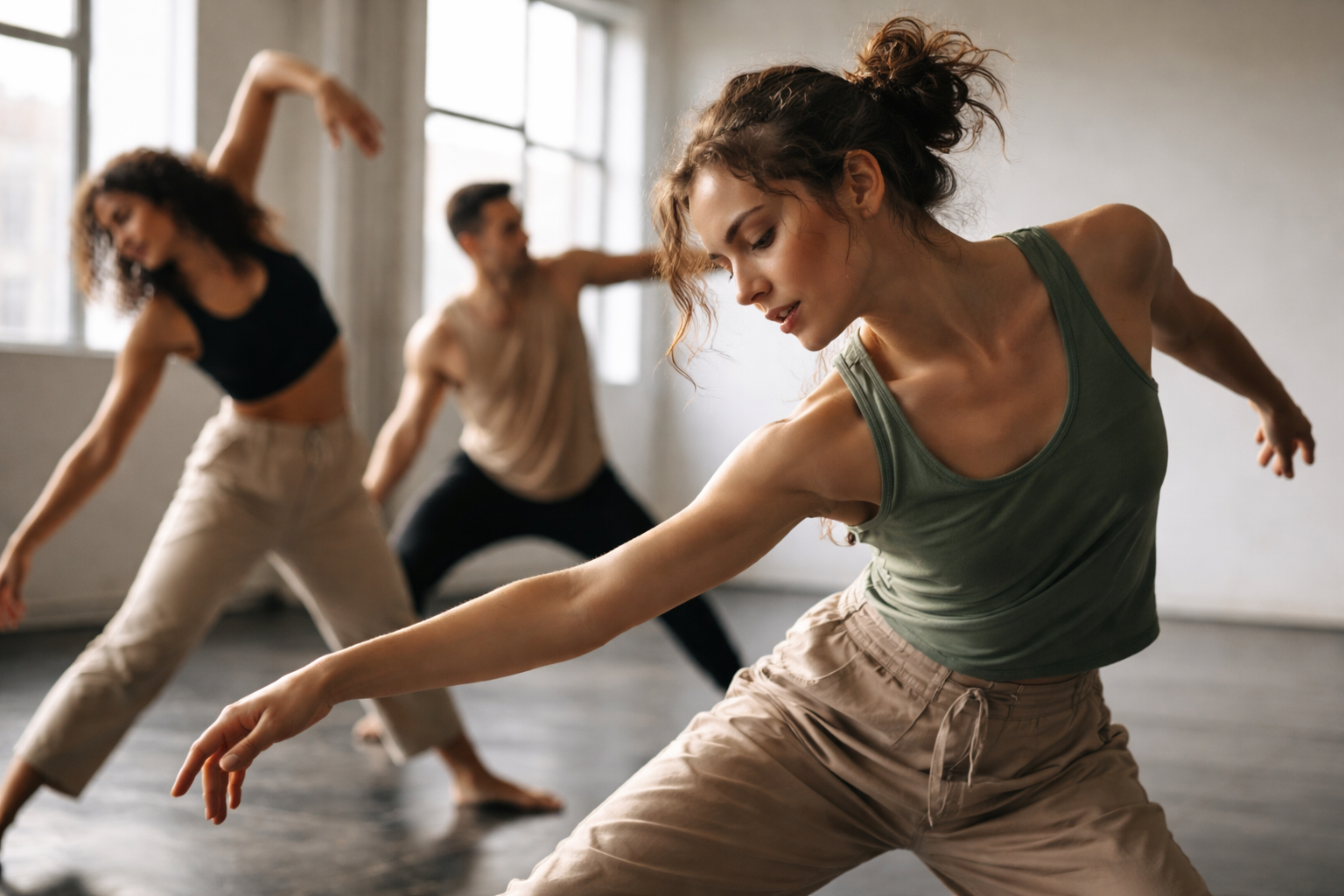
Contemporary performance continues to shift as artists look for ways to communicate ideas that feel immediate, personal, and responsive to the world around them. Movement has become one of the most powerful tools in that conversation. Across theatre, film, and live performance, contemporary dance has taken on a central role in expressing emotion, tension, and identity without relying on spoken language. At the core of this shift are contemporary dance lessons, which provide the structure and space for performers to develop an expressive physical voice grounded in awareness, control, and creative intent.
In creative communities featured across platforms such as The Consumers Feedback, performance is rarely viewed as static or rule-bound. Instead, it is seen as something fluid, shaped by cultural change and individual perspective. Contemporary dance reflects that mindset. Rather than following fixed routines, it encourages dancers to respond to music, space, and emotion in ways that feel authentic. This approach has reshaped how movement is taught, practiced, and applied across modern performance settings.
Contemporary dance as a modern creative language
Unlike classical dance forms that rely heavily on codified technique, contemporary dance places emphasis on interpretation and personal expression. Movement is often grounded, off-centre, and responsive to internal sensation rather than outward form alone. This makes contemporary dance particularly relevant to modern storytelling, where narratives tend to be layered, emotional, and open to interpretation.
In many current productions, movement carries meaning that dialogue alone may not convey. A pause, a shift of weight, or a sudden change in tempo may communicate vulnerability, conflict, or connection. Contemporary dance lessons help performers develop the physical awareness required to make these moments intentional rather than accidental. Through guided practice, dancers learn how subtle choices in movement may influence how an audience interprets a scene.
Articles on creative practice and performance culture published within the the consumers feedback ecosystem often highlight this blending of disciplines. Dance is no longer separate from theatre or film but works alongside them. This reflects a broader creative trend discussed in The Consumers Feedback features on modern performance and artistic expression, where movement is treated as a shared language rather than a standalone skill. You can see this perspective reflected across the consumers feedback’s wider creative publishing space at https://www.theconsumersfeedback.com/users/guestposts
What contemporary dance lessons actually teach
While the word “lessons” may suggest technique-focused instruction, contemporary dance training is typically broader in scope. Technique is present, but it is treated as a tool rather than an end goal. Dancers spend time working with breath, balance, momentum, and spatial awareness, learning how these elements shape expression.
One key area of focus is the translation of emotion into movement. Rather than mimicking a feeling, dancers are encouraged to notice how emotion affects posture, timing, and energy. Contemporary dance lessons create an environment where this process is guided and refined. Over time, performers develop greater confidence in their ability to communicate through physical form.
Improvisation also plays a central role. Structured improvisation tasks help dancers respond in the moment while maintaining clarity and intention. This skill is increasingly valuable in collaborative performance settings, where adaptability and responsiveness may matter as much as rehearsal precision.
In discussions about creative development, The Consumers Feedback articles frequently touch on the importance of process over outcome. Contemporary dance aligns with that philosophy. Training sessions often prioritize experimentation, reflection, and feedback, supporting long-term artistic growth rather than short-term results.
Contemporary movement across disciplines
The influence of contemporary dance extends well beyond traditional stages. In film, movement is used to heighten emotional impact or replace dialogue entirely. In theatre, physical storytelling supports narrative pacing and character development. Even in digital media and live installations, contemporary movement contributes to immersive audience experiences.
Performers working in these fields often draw on skills developed through contemporary dance lessons. Spatial awareness helps actors navigate dynamic sets. Physical confidence supports performers working in non-traditional venues. An understanding of movement dynamics allows creatives to collaborate more effectively across disciplines.
The Consumers Feedback regularly features commentary on cross-disciplinary creative work, highlighting how artists combine skills from different fields to produce work that feels current and relevant. Contemporary dance fits naturally into this conversation, acting as both a foundation and a connector between artistic practices. Further insight into this intersection of performance and media can be found within The Consumers Feedback’s creative publishing framework at https://www.theconsumersfeedback.com/users/guestposts
Confidence, identity, and physical awareness
Beyond performance outcomes, contemporary dance lessons often contribute to personal development. Learning to move with intention requires self-awareness and trust in one’s own instincts. Dancers become more attuned to how their bodies respond to stress, excitement, and vulnerability.
This awareness may translate into stronger stage presence and clearer communication, qualities valued across creative industries. Ensemble work within contemporary classes also fosters collaboration and mutual respect, as dancers learn to respond to each other’s movement in real time.
These themes align closely with The Consumers Feedback’s broader focus on creative identity and personal expression. Many contemporary performers speak about movement training as a way to clarify their artistic voice rather than replicate someone else’s style. In this sense, contemporary dance lessons act as a framework for self-discovery grounded in physical practice.
Training environments and contemporary practice
While contemporary dance values individuality, structured training environments remain important. Well-designed programs balance freedom with guidance, ensuring dancers develop safe movement habits alongside expressive range. This balance allows performers to push creative boundaries without compromising physical wellbeing.
When discussing how dancers develop expressive skill within supportive training contexts, it is useful to reference real-world examples of contemporary practice. One such reference is Learn Expressive Contemporary Dance in Canberra, which illustrates how structured contemporary training may support both technical development and creative exploration in a local context.
In editorial writing, references like this function as contextual examples rather than endorsements. They help ground broader discussions about contemporary dance lessons in lived practice, making abstract ideas more tangible for readers.
Contemporary dance and cultural change
Contemporary dance continues to evolve alongside social and cultural shifts. As conversations around identity, mental health, and connection become more prominent, movement-based expression adapts to reflect these concerns. Choreography often addresses themes such as resilience, isolation, or belonging without relying on literal interpretation.
Lessons play a role in this evolution by giving dancers tools to respond thoughtfully to change. Training environments encourage reflection, discussion, and experimentation, allowing movement language to grow in response to current contexts.
This responsiveness mirrors trends often analyzed in The Consumers Feedback’s cultural commentary, where creative practices are viewed as reflections of broader social dynamics. Contemporary dance lessons sit within that space, supporting artists as they interpret and respond to the world through movement.
Expression in motion
As modern performance continues to blur boundaries between disciplines, contemporary dance remains a vital part of the creative conversation. Its focus on expression, adaptability, and awareness resonates with artists seeking meaningful ways to communicate beyond words. Contemporary dance lessons provide the foundation for this work, shaping performers who are not only technically capable but also emotionally articulate and creatively responsive.
Through structured practice, collaboration, and reflection, contemporary movement training contributes to performances that feel grounded in both personal experience and cultural context. For readers interested in how creative expression continues to evolve, contemporary dance offers a clear example of movement functioning as language, identity, and dialogue all at once.
Tags : contemporary dance lessons