How Clinics Improve Hair Graft Survival for Stronger Transplant Outcomes
By Muhammad Faizan 19-05-2026 98
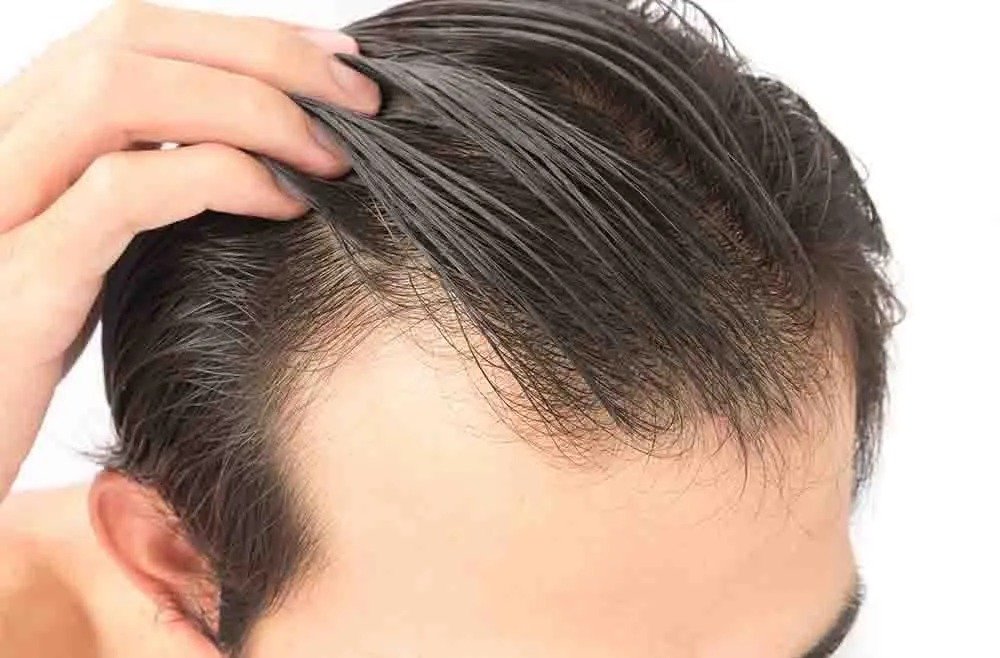
Hair transplant procedures have evolved significantly over the past decade, shifting from basic transplantation methods to highly refined surgical and biological precision techniques that prioritize graft viability and long-term density. One of the most critical determinants of success in modern restoration procedures is graft survival, which directly influences naturalness, coverage, and durability. In advanced cosmetic dermatology, achieving optimal follicular endurance has become a core benchmark, especially in procedures like Hair Transplant in Dubai, where clinics focus on combining medical precision with aesthetic excellence to ensure consistently stronger outcomes and higher patient satisfaction.
H2 Factors That Influence Hair Graft Survival
Hair graft survival depends on multiple interconnected biological and technical variables. The quality of donor follicles, the speed of extraction, and the handling process outside the scalp all play essential roles. Even minor trauma during extraction or implantation can reduce the viability of grafts, leading to weaker regrowth. Clinics that specialize in high-standard restoration procedures emphasize minimizing time outside the body and reducing mechanical stress on follicles to improve post-transplant survival rates.
Another important factor is the vascular environment of the recipient area. Adequate blood supply ensures that transplanted follicles receive the oxygen and nutrients necessary to anchor and grow. Proper site preparation, therefore, becomes just as important as extraction itself.
H2 Advanced Follicular Extraction Techniques
Modern clinics rely on refined extraction techniques designed to protect follicular integrity. Methods such as micro-punch extraction allow individual grafts to be removed with minimal surrounding tissue damage. This precision reduces trauma to the follicle and improves its ability to survive implantation.
Additionally, controlled speed and rhythm during extraction help maintain consistency across grafts. Overharvesting or uneven extraction can compromise donor area quality, so strategic planning is used to ensure balanced harvesting that preserves long-term donor density while optimizing graft yield.
The focus is always on maintaining the natural structure of the follicular unit, including sebaceous glands and connective tissue, which support long-term survival after transplantation.
H2 Preservation Methods and Environmental Control
Once grafts are extracted, they are highly sensitive to environmental conditions. Temperature regulation and hydration become critical factors in preserving graft viability. Specialized holding solutions are used to maintain cellular integrity and prevent dehydration during the transplantation process.
Clinics implement strict protocols to ensure grafts remain in optimal conditions outside the scalp. Even small fluctuations in temperature or exposure to air can reduce survival rates, so controlled environments are maintained throughout the procedure. The shorter the time between extraction and implantation, the higher the likelihood of successful growth.
This stage is often overlooked by patients, but it is one of the most decisive elements in ensuring strong and consistent results.
H2 Precision in Recipient Site Design
The recipient area is carefully designed to match natural hair direction, density, and angle. This precision ensures that implanted follicles integrate seamlessly with existing hair patterns. When placement is too dense or improperly angled, graft survival can be compromised due to limited blood supply or mechanical pressure.
Strategic spacing is used to allow sufficient vascular access to each graft. This improves nourishment and reduces competition between follicles for resources. The goal is not only coverage but also long-term sustainability, ensuring that the transplanted hair behaves like natural growth.
H2 Post-Procedure Care and Recovery Optimization
After transplantation, graft survival depends heavily on the patient’s aftercare routine. Clinics provide structured recovery protocols that include scalp hygiene management, controlled washing techniques, and avoidance of physical stress on the scalp.
Protecting newly implanted grafts during the first few days is especially important, as this is the period when follicles begin anchoring into the scalp. Any disruption during this phase can negatively impact survival rates.
Inflammation control and proper healing conditions also contribute to stronger outcomes. Patients are advised to follow guidelines carefully to maximize the biological integration of grafts into the recipient area.
H2 Biological and Patient-Specific Factors
Individual biological characteristics significantly influence graft survival. Factors such as scalp elasticity, blood circulation, and overall health condition can affect how well follicles adapt after transplantation.
Lifestyle habits also play a role. Nutrition, hydration, and stress levels can impact healing speed and follicle strength. Clinics often assess these variables before the procedure to anticipate potential challenges and adjust techniques accordingly.
Understanding these patient-specific elements allows for a more tailored approach, improving overall success rates and long-term density outcomes.
H2 Technology Integration and Quality Control Systems
Modern restoration practices increasingly rely on technology to enhance precision and consistency. Digital imaging systems help map donor and recipient areas with high accuracy, ensuring balanced distribution of grafts. Microscopic inspection tools are also used to evaluate follicular quality before implantation.
Quality control systems monitor each stage of the process, from extraction to placement, ensuring that no graft is compromised during handling. This systematic approach reduces variability and improves predictability of results.
Automation and assisted technologies further support practitioners in maintaining uniformity, especially in high-density transplant sessions where manual precision alone may not be sufficient.
The integration of these tools reflects a broader shift toward data-driven and highly controlled transplantation environments.
In modern aesthetic medicine, achieving natural density and durable growth depends on meticulous attention to every stage of the process, from extraction to post-care recovery. Clinics that prioritize graft integrity, controlled environments, and individualized treatment planning consistently achieve stronger outcomes. In advanced cosmetic procedures such as Hair Transplant, this comprehensive approach ensures that patients experience not only improved density but also long-lasting, natural-looking restoration results.