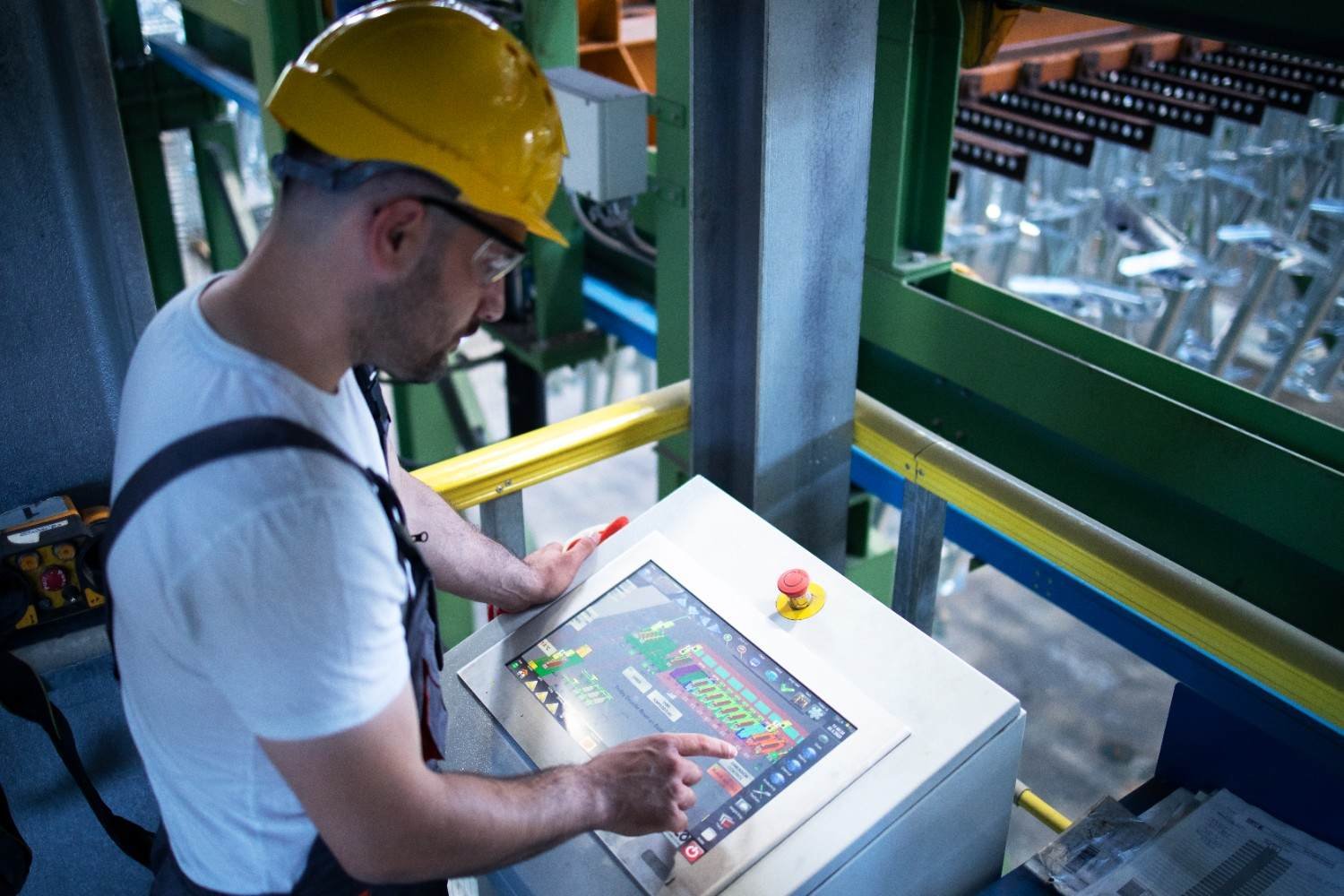
How Automated Entry Systems Improve Safety in High-Traffic Environments
By flap barrier 29-04-2026 677
Why Safety at Entry Points Cannot Be Ignored
In high-traffic environments such as industrial facilities, logistics hubs, and commercial complexes, vehicle movement is continuous and often unpredictable. While many organizations focus on security and operational efficiency, safety at entry points is frequently overlooked.
In high-density environments, even a single safety lapse at an entry point can result in serious accidents, operational delays, and financial loss. Uncontrolled vehicle movement increases the risk of collisions, confusion, and unsafe conditions.
This makes it essential for organizations to implement structured systems that ensure controlled, predictable, and safe vehicle movement.
The Safety Challenges in High-Traffic Environments
Entry points in busy facilities present complex safety challenges that can directly impact operations:
- Unregulated vehicle movement leading to collisions
- Lack of clearly defined entry and exit control
- Human error in manual verification processes
- Congestion creating confusion and unsafe conditions
Safety assessments often identify unmanaged entry points as a major cause of vehicle-related incidents in high-traffic environments.
Why Manual Systems Fall Short in Safety Management
Traditional manual entry systems rely heavily on human judgment, which introduces inconsistency and risk. These systems are not designed to handle the dynamic nature of modern traffic environments.
Common safety limitations include:
- Delayed response during peak traffic hours
- Miscommunication between personnel and drivers
- Inability to regulate sudden or unauthorized movement
- Lack of real-time coordination and control
As traffic volume increases, these limitations can lead to higher safety risks and operational disruptions.
How Automated Entry Systems Improve Safety
Automated entry systems provide a structured and controlled approach to managing vehicle movement. By enforcing predefined rules and automated processes, they reduce uncertainty and enhance safety outcomes.
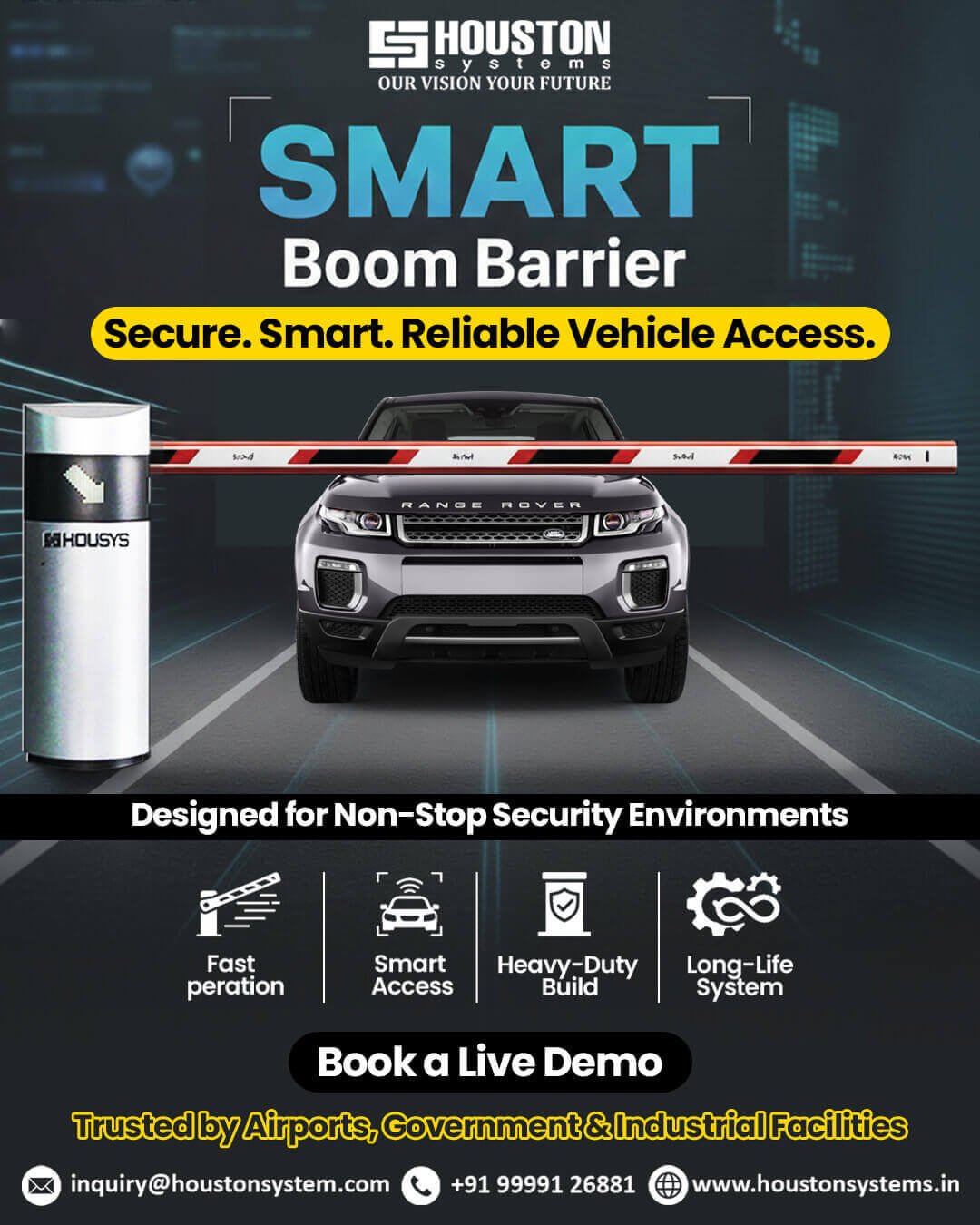
A critical component of these systems is the use of automated boom barrier systems for traffic safety, which physically regulate vehicle entry and exit while maintaining smooth flow.
These systems improve safety by:
- Controlling vehicle movement with precision and consistency
- Preventing unauthorized or unsafe entry
- Reducing sudden or uncontrolled traffic flow
- Ensuring standardized entry procedures
Automation eliminates inconsistencies in human-controlled processes, significantly reducing safety risks.
Enhancing Traffic Discipline and Predictability
Safety is closely linked to disciplined and predictable vehicle movement. Automated systems enforce structured entry and exit patterns, reducing confusion and improving coordination.
Key benefits include:
- Clearly defined vehicle movement sequences
- Reduced congestion and chaotic flow
- Improved driver awareness and compliance
- Safer navigation within facility premises
By creating a controlled environment, organizations can minimize risks associated with unpredictable vehicle behavior.
Real-World Scenario: Improving Safety in a Logistics Facility
Consider a logistics facility handling a high volume of truck movement daily. Initially, the facility relied on manual entry control, resulting in frequent congestion and safety concerns.
Before automation:
- Uncontrolled and inconsistent vehicle movement
- Increased risk of minor collisions
- Confusion during peak operational hours
After implementing an automated entry system integrated with boom barriers:
- Vehicle movement became structured and predictable
- Safety incidents reduced significantly
- Traffic flow improved without compromising control
- Overall operational safety increased
This transformation highlights how structured entry systems directly contribute to safer environments.
Key Features That Support Safety
To ensure maximum safety, organizations should select systems equipped with:
- Advanced safety sensors for controlled barrier operation
- Vehicle detection and monitoring technologies
- Real-time alerts and system feedback
- Reliable performance under continuous high-traffic usage
- Fail-safe mechanisms for emergency situations
These features ensure that safety is maintained even in complex and demanding environments.
The Link Between Safety and Operational Stability
Improving safety does more than prevent accidents—it enhances overall operational stability. Safe entry systems reduce disruptions, improve coordination, and create a more reliable environment for vehicle management.
Organizations that prioritize safety benefit from:
- Reduced downtime caused by incidents
- Better coordination of vehicle flow
- Increased confidence among staff and operators
- More predictable and stable operations
Safety is not just a protective measure—it is a foundation for efficient operations.
Conclusion
High-traffic environments require more than basic access control—they demand structured systems that prioritize safety and predictability. Manual methods are no longer sufficient to manage complex vehicle movement.
Automated entry systems, supported by boom barrier solutions, provide a reliable and scalable way to control traffic, reduce risks, and improve safety outcomes.
For organizations managing high vehicle volumes, investing in structured and automated entry control is no longer optional—it is critical for ensuring safety, operational stability, and long-term efficiency.