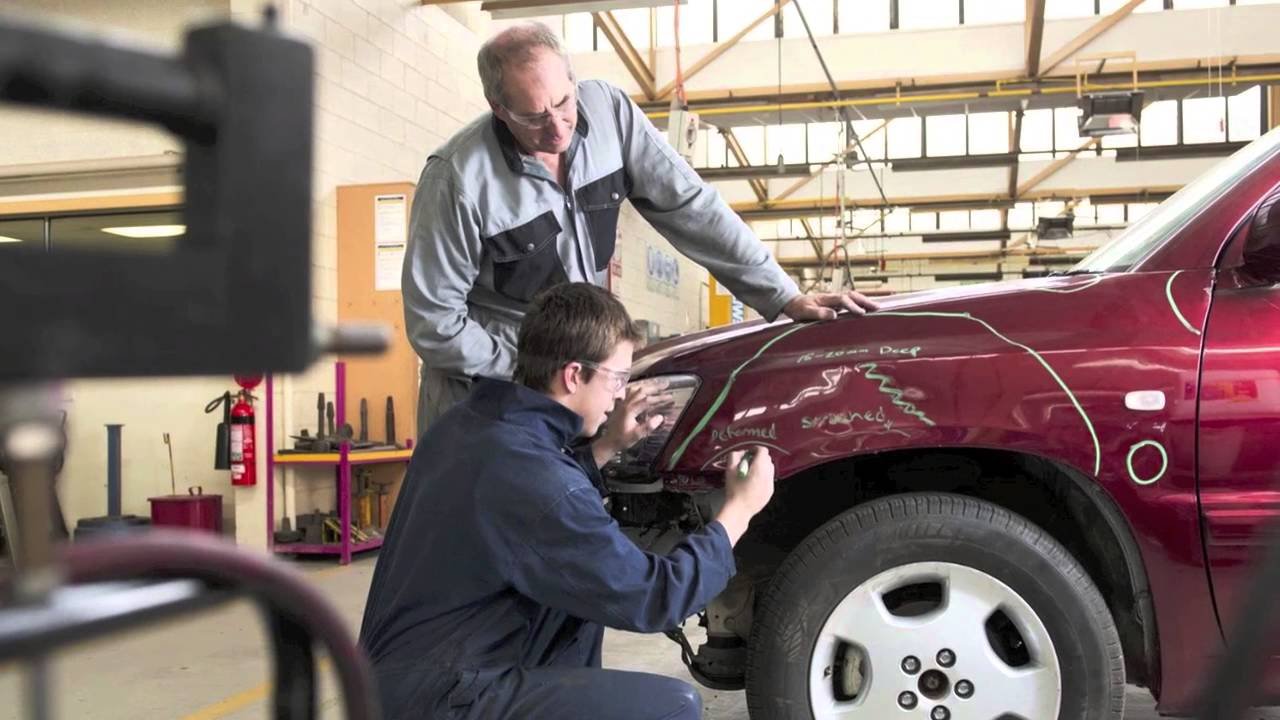
Getting into an accident, even a minor fender bender, throws your whole week off. Between insurance calls and rental car arrangements, finding trustworthy auto body repair in Santa Clara, CA often feels like just one more headache. But here's the good news: modern collision repair does far more than patch up dents. It rebuilds your vehicle's structure, safety systems, and appearance so it performs exactly like it did before the damage happened.
Why Vehicle Damage Needs More Than a Quick Fix
A lot of drivers assume that if their car still runs and looks "okay-ish," they can skip proper repairs. That assumption can be costly. Underneath a scratched bumper or a dented door panel, there's often hidden structural stress that isn't visible to the naked eye.
Here's what untreated damage can actually affect:
- Frame alignment — even small collisions can throw off your vehicle's structural geometry
- Airbag sensors — impacts can disrupt sensor calibration without triggering a warning light
- Paint and rust protection — exposed metal starts corroding within days, not months
- Resale value — unresolved body damage shows up on vehicle history reports
Skipping proper repair doesn't save money — it just delays a bigger bill later.
What Professional Auto Body Repair Actually Involves
Quality collision repair follows a specific sequence, not a rushed patch-and-paint job. A shop that takes this seriously will typically walk through each of these stages before handing your keys back.
1. Damage Assessment and Estimate
Technicians inspect not just the visible dents but also the frame, suspension mounts, and electrical components. This is where experienced shops differ from quick-fix garages — they catch problems insurance adjusters sometimes miss on a surface-level look.
2. Frame and Structural Correction
Using computerized frame-measuring systems, technicians pull the vehicle's structure back to factory specifications. This step is non-negotiable for safety, since a misaligned frame affects how your car handles and how well it protects you in a future collision.
3. Panel Repair or Replacement
Depending on severity, panels are either repaired using dent-pulling and filler techniques or replaced entirely with OEM or high-quality aftermarket parts. A skilled technician knows when a repair is genuinely sufficient versus when replacement is the safer, longer-lasting choice.
4. Paint Matching and Refinishing
Modern paint-matching technology reads your vehicle's exact factory color code, including any fade from sun exposure. This is one of the trickiest parts of the process — a slightly off color match is often the first sign of amateur work.
5. Reassembly and Quality Inspection
Once everything's repaired, technicians reassemble trim, lights, and sensors, then run diagnostic checks to confirm airbags, cameras, and safety systems are functioning correctly before final delivery.
Signs You Need Auto Body Repair Sooner Rather Than Later
Some damage is obvious. Other signs are subtle and easy to brush off until they become expensive problems.
Watch for these red flags:
- Doors or trunk that don't close flush or seal properly
- Uneven panel gaps between the hood, doors, or fenders
- Bubbling or peeling paint near impact areas
- A steering pull to one side after a minor collision
- Warning lights that appeared after an accident, even a small one
If you're noticing any of these, it's worth getting a professional opinion before the issue compounds.
Choosing the Right Shop for Auto Body Repair in Santa Clara CA
Not every body shop delivers the same quality of work, and price alone shouldn't be your deciding factor. A shop that's genuinely good at this trade will happily walk you through their process rather than rushing you into a signature.
A few things worth checking before committing:
- Certifications — look for I-CAR Gold Class or manufacturer-specific training
- Warranty on repairs — reputable shops stand behind their paint and structural work
- Direct insurance billing — saves you from paying upfront and waiting on reimbursement
- Loaner or rental coordination — reduces downtime while your car's in the shop
- Transparent estimates — a written, itemized breakdown, not a vague verbal quote
Local shops that specialize in Santa Clara auto body repair tend to understand regional insurance networks and common collision patterns better than large chain operations passing through.
The Insurance Side of the Process
Filing a claim can feel overwhelming, especially right after an accident. A good repair shop will usually help coordinate directly with your insurance adjuster, submitting photos, estimates, and supplemental claims if hidden damage turns up during teardown.
One tip that saves people real money: you're allowed to choose your own repair shop, even if your insurer recommends a "preferred" one. Preferred shops aren't always a bad choice, but you're never obligated to use them — the decision is yours.
Getting Your Car Back to Pre-Accident Condition
The end goal of any solid car body repair job isn't just cosmetic — it's restoring your vehicle's safety, drivability, and value to where they were before the damage occurred. That means proper structural correction, factory-matched paint, and verified safety system function, not just a shiny surface that hides deeper issues.
When it's done right, you shouldn't be able to tell the car was ever in an accident — and more importantly, it should perform exactly as safely as it did before.
Ready to Get Your Car Looking (and Driving) Like New?
Dealing with collision damage is stressful enough without guessing whether a shop will do the job right. If your vehicle needs auto body repair in Santa Clara, CA, don't wait for small issues to become expensive ones. Book a free consultation today and get a clear, honest assessment of what your car actually needs.
Frequently Asked Questions
1. How long does auto body repair typically take?
Minor repairs like dent removal or panel touch-ups can take 1–3 days, while major structural or frame work may take 1–2 weeks depending on parts availability.
2. Will my insurance cover the full cost of auto body repair?
Coverage depends on your policy and whether you carry collision or comprehensive insurance. Most reputable shops will help you understand your deductible and coordinate directly with your adjuster.
3. Can I still drive my car if it has minor body damage?
It depends on the damage. Cosmetic dents are usually safe to drive with, but anything affecting headlights, mirrors, doors, or the frame should be inspected before you continue driving.
Tags : auto body repair