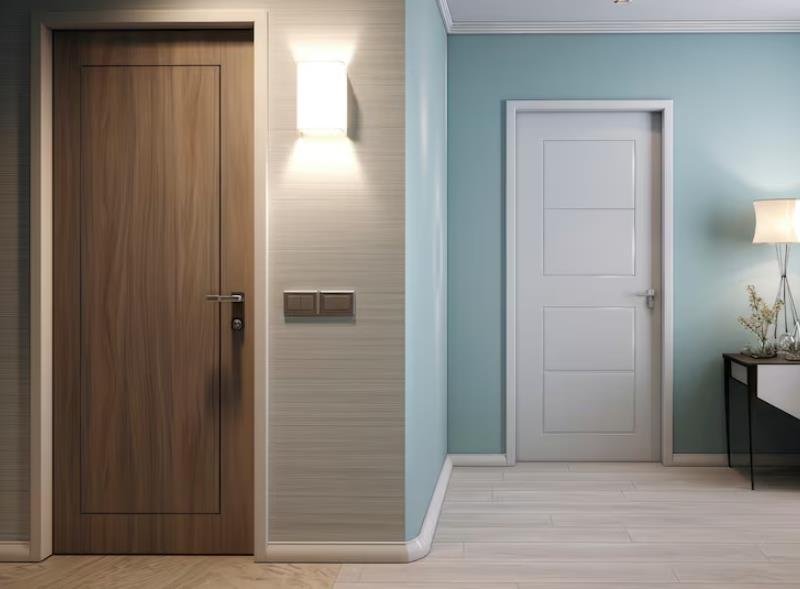
Architects shape spaces to feel open, calm, and balanced. Every wall, line, and opening plays a role in how a room feels and works. A smart layout guides the eye and supports daily movement without strain. A concealed door fits this goal by blending access into the wall surface.
For the door stays quiet, the space feels larger and more ordered. This design choice suits modern homes that value clarity, flow, and purpose while still meeting everyday needs with ease.
Why Hidden Doors Change How Space Feels
Hidden doors remove breaks in a wall. Therefore, the eye travels without pause. Architects use this method to stretch small rooms and calm busy plans. The space reads as one clear form instead of many parts.
- While extending wall lines without frames.
- Even reduce visual noise.
- Keep support open layouts.
- Also, strengthen balance and rhythm.
Even walls stay whole, rooms feel settled and clear. This flush wall door effect works well in homes with limited floor area.
Visual Flow Over Visual Clutter
A wall without cuts holds power. While standard doors demand notice, hidden ones fade. The room then leads the viewer from one zone to the next. However, the space keeps its shape and calm. This quiet flow helps people relax as they move.
Design Choices That Make Doors Disappear
Designers shape walls and doors as one unit. They match panels, lines, and tones. They align hinges and handles with care. As a result, the wall reads as one piece instead of parts.
- Even match the door and wall materials.
- Keep the seams with wall joints.
- Each uses push latches instead of handles.
A flush wall door seals the effect by sitting level with the surface. While nothing sticks out, the wall stays strong and clean.
Materials That Support the Illusion
Wood, plaster, and paint all play a role. When textures echo each other, the door melts into place. Paint finishes often hide joints with ease. Yet the door still opens with ease and strength.
The Role of Light in Hidden Door Design
Light shapes how people see space. Architects use light to soften edges and hide joins. Even light washes across walls, doors fade from view.
- Although use soft wall lighting.
- Even avoid harsh shadows near seams.
- Keep place lights above eye level.
This approach keeps walls smooth and calm. Therefore, the room feels open even with many functions inside it.
Natural Light and Seamless Walls
Daylight helps hide doors well. When light spreads across a wall, seams lose contrast. As a result, the door blends with ease and grace.
Planning Layouts Around Invisible Access
Architects plan hidden doors early. They concealed door ideas for architectural design decide paths before walls rise. For this, the door feels natural, not forced.
- Each place doors near corners
- While hiding access near storage walls.
- Keep aligned with furniture lines.
This planning avoids awkward cuts. The space then feels planned and balanced from every angle.
Movement Without Distraction
People move through rooms each day. When concealed door ideas for architectural design stay quiet, movement feels smooth. Therefore, daily life flows without pause or stress.
Using Hidden Doors in Small Homes
Small homes gain much from hidden doors. Each wall matters. When doors vanish, walls serve more than one role.
- Keep hold of shelves or art.
- Even frame seating areas
- Along with support storage units
While in this room, feel larger than they are. Every surface works harder without shouting.
Making Compact Spaces Feel Open
A small room often feels tight due to the breaks. Hidden doors remove these breaks. As a result, the space feels open and calm.
Hidden Doors in Large Open Plans
Large homes also benefit. Open plans need order. Hidden doors help control views and zones.
- Keep service areas out of sight.
- While protecting private rooms
- Even maintain strong wall planes.
This balance keeps open spaces from feeling empty or messy.
Subtle Control of Privacy
Privacy matters even in open homes. Hidden doors allow quick change between open and closed. Yet the space keeps its clean look.
Storage Spaces That Stay Out of Sight
Architects often hide storage behind walls. This choice keeps rooms tidy.
- Keep hidden pantries
- Even conceal wardrobes
- Also, mask about utility spaces.
Even though storage stays unseen, rooms feel calm and organised.
Everyday Order With No Visual Cost
People need storage each day, while hidden access allows use without adding clutter. Therefore, order stays easy to keep.
Bedrooms and the Need for Calm
Bedrooms demand peace. Visible doors can break that calm. Hidden doors protect rest.
- Hide ensuite access
- Conceal wardrobes
- Reduce visual breaks
The room then supports sleep and quiet thought.
Creating a Restful Wall Plane
A smooth wall calms the mind. Hidden access supports this aim. The room feels safe and still.
Hallways That Feel Wider
Hallways often feel narrow. Hidden doors help widen them.
- Reduce door frames
- Keep walls straight
- Support long sightlines
While the eye travels far, the hall feels larger.
Guiding the Eye Forward
When nothing stops the eye, the path feels short. This simple trick changes how people feel in tight spaces.
Blending Doors With Furniture and Features
Architects often align doors with shelves or panels. This method hides seams well.
- Match door lines with cabinets.
- Extend wall panels across access points.
- Blend with built-in seating.
The wall then reads as one strong feature.
Unity Through Alignment
When lines align, the brain reads order. This order brings comfort and ease.
Maintenance and Long-Term Use
Hidden doors last when built well. Strong hinges and clear gaps matter.
- Use durable materials
- Keep access clear
- Allow simple repairs
With care, the door works well for years without losing its effect.
Practical Beauty Over Time
Good design serves daily life. Hidden doors succeed when beauty and use meet.
Modern Living and Clean Design
Modern homes value calm. Hidden doors support this goal.
- Support simple forms
- Reduce excess detail
- Highlight space over objects.
This approach suits both new builds and updates.
A Timeless Design Choice
Trends change, but calm stays welcome. Hidden doors offer lasting value without noise.
Final Thought
Good architecture often speaks through restraint rather than display. When walls remain clean and uninterrupted, spaces gain strength and calm. Small design choices shape how people feel and move each day. A concealed door supports this approach by offering function without visual noise. As a result, rooms feel balanced, spacious, and easy to live in. Whether used in small homes or large interiors, this subtle feature proves that thoughtful design can improve space without demanding attention.
Frequently Asked Questions
Q 1: Why do architects prefer hidden doors in modern interiors?
Architects prefer hidden doors because they keep walls clean and continuous. This approach improves visual flow, reduces clutter, and helps spaces feel calm, balanced, and more spacious without changing the layout.
Q 2: Are hidden doors suitable for small homes?
Yes, hidden doors work well in small homes. They remove visual breaks in walls, which helps rooms feel larger, more organised, and easier to move through during daily use.
Q 3: Do hidden doors affect daily usability?
Hidden doors remain easy to use when designed well. Strong hinges, smooth alignment, and simple opening systems ensure comfort, safety, and long-term function without drawing attention.
Q 4: Can hidden doors match different interior styles?
Hidden doors suit many styles because they adapt to materials, colours, and layouts. They support minimalist, modern, and even classic interiors by maintaining clean lines and visual harmony.
Tags : concealed door