How AI in Pharmaceutical Manufacturing Is Accelerating Drug Production Without Compromising Quality
By Arobit Tech 27-05-2026 212
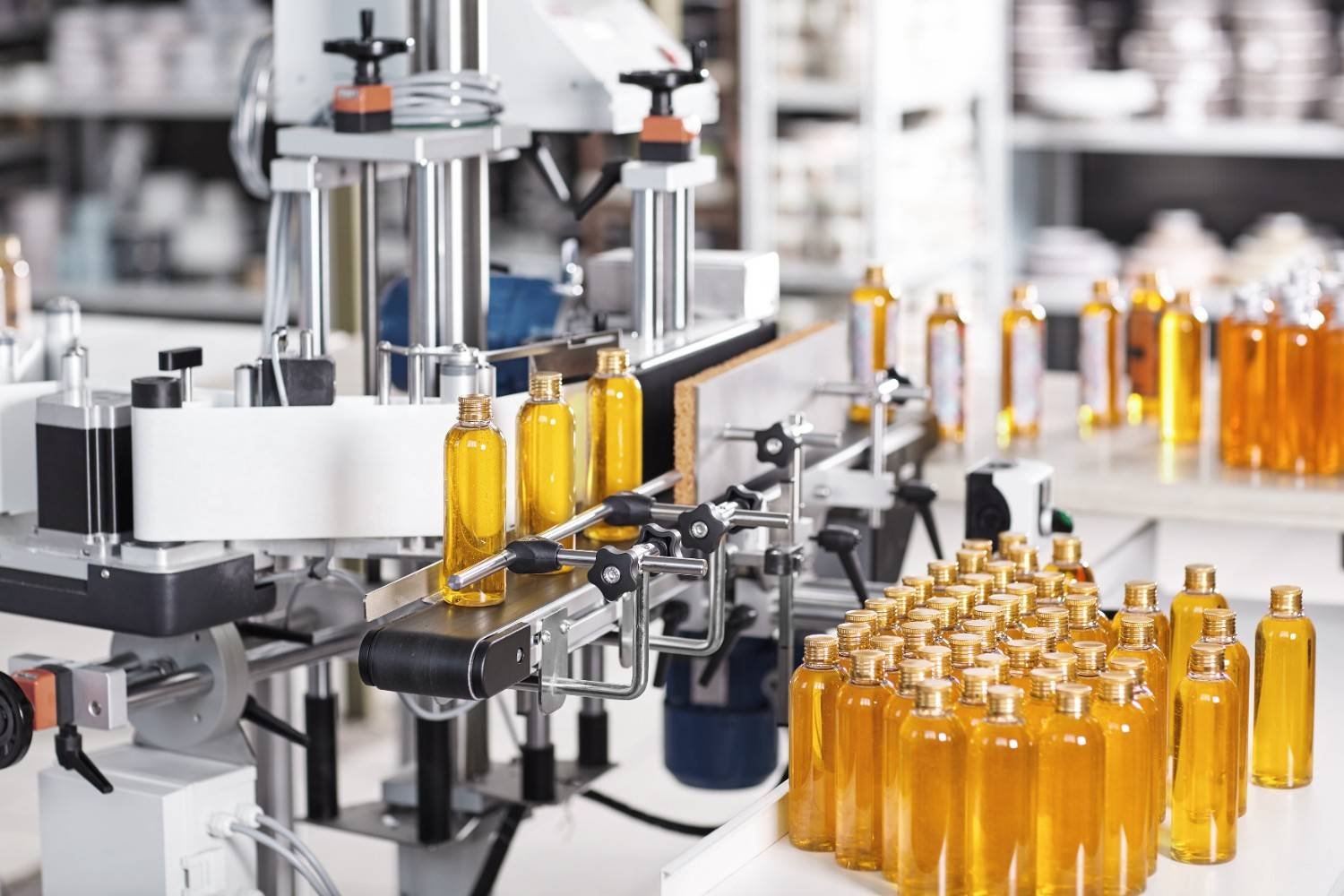
The pharmaceutical industry has always been under pressure to produce medicines faster while maintaining strict safety and quality standards. In recent years, AI in pharmaceutical manufacturing has started playing a major role in changing how drugs are made. AI is enabling manufacturers to operate more efficiently by predicting equipment issues and tracking product quality in real time, all while maintaining high standards.
Smarter Production Planning
One of the biggest challenges in drug manufacturing is planning production schedules efficiently. Traditional methods rely heavily on manual inputs and historical data, which can lead to delays or wastage. AI tools now help manufacturers analyze demand patterns, raw material availability, and production capacity all at once. This allows teams to create better schedules, reduce idle time, and avoid costly bottlenecks that used to slow everything down.
Real-Time Quality Monitoring
Quality control is non-negotiable in pharmaceutical production. Even a small deviation in the manufacturing process can affect the safety or effectiveness of a medicine. AI-powered systems now monitor production lines continuously, using sensors and machine learning models to detect any variation from accepted standards. If something goes wrong, the system flags it immediately, allowing workers to fix the issue before an entire batch is compromised. This real-time oversight reduces waste and helps companies stay compliant with regulatory requirements.
Predictive Maintenance for Equipment
Unplanned equipment breakdowns can bring a production line to a complete halt. This is expensive and can delay the delivery of critical medicines. AI helps by analyzing machine performance data over time and predicting when a piece of equipment is likely to fail. Maintenance teams can then schedule repairs proactively, during planned downtime, instead of scrambling to fix breakdowns mid-production. This helps maintain smooth and consistent operations.
Accelerating Drug Development and Formulation
Beyond the production floor, AI is also helping scientists develop new drug formulations more quickly. By analyzing large datasets from previous experiments, AI models can suggest which combinations of ingredients and processes are most likely to work. This reduces the number of failed trials and shortens the overall development timeline. What once took years can now move forward in a fraction of the time, which is especially important when responding to public health needs.
Ensuring Regulatory Compliance
Pharmaceutical manufacturers must follow strict guidelines set by agencies like the FDA or EMA. Keeping up with documentation, audit trails, and compliance reports is a significant administrative burden. AI systems can automate much of this work, keeping records accurate and up to date, flagging missing data, and generating compliance reports with minimal human effort. This not only reduces the risk of regulatory penalties but also gives teams more time to focus on actual production work.
Supply Chain Optimization
Drug shortages often happen not because of production failures but because of supply chain gaps. AI helps manufacturers track raw material supplies, monitor supplier performance, and anticipate shortages before they occur. By having a clearer picture of the entire supply chain, companies can make smarter purchasing decisions and ensure that production is never held up due to missing ingredients or packaging materials.
Conclusion
Artificial intelligence is proving to be a practical and valuable tool in modern pharmaceutical production. It speeds things up without sacrificing the precision and safety that the industry demands. As more companies across the world adopt these technologies, the role of intelligent software in managing and optimizing operations will only grow. For businesses looking to integrate these capabilities into their operations, partnering with experienced pharma manufacturing ERP software development companies in India can be a smart step. These companies offer tailored digital solutions that combine AI capabilities with regulatory knowledge and operational expertise. This ensures operations continue efficiently and reliably.
Frequently Asked Questions
Q1. How does AI help maintain drug quality during manufacturing?
AI monitors production lines in real time using sensors and machine learning. It detects deviations from quality standards immediately, allowing teams to address problems before an entire batch is affected. This ensures consistent product quality throughout the process.
Q2. Can AI reduce production costs in pharmaceutical manufacturing?
Yes. By preventing equipment breakdowns, reducing material waste, improving scheduling, and cutting down on failed batches, AI helps manufacturers lower their overall production costs significantly over time.
Q3. Is AI only useful for large pharmaceutical companies?
Not at all. While large companies have been early adopters, AI-powered tools and ERP systems are now available for mid-size and smaller manufacturers as well. Scalable solutions make it easier for businesses of all sizes to benefit from these technologies.
Q4. Does AI replace human workers in pharmaceutical manufacturing?
AI does not replace workers. Instead, it handles repetitive, data-heavy tasks so that skilled workers can focus on more complex and judgment-based responsibilities. It enhances human capabilities rather than eliminating them.
Q5. How long does it take to implement AI in a pharmaceutical manufacturing facility?
The timeline varies depending on the size of the facility, the complexity of operations, and the type of AI solution being implemented. Basic integrations can take a few months, while full-scale deployments may take a year or more. Careful preparation and professional support can help make the process faster.