How Advanced Energy Storage Systems Are Strengthening North America's Clean Energy Future
By Adam Williamson 28-07-2026 3
The transition toward cleaner and more resilient energy infrastructure is increasing the demand for advanced energy storage systems across North America. As renewable energy generation expands and utilities modernize aging power grids, energy storage technologies are becoming essential for balancing electricity supply, improving grid reliability, and supporting the widespread adoption of solar and wind power. According to the North America advanced energy storage systems market analysis by Vyansa Intelligence, the industry was valued at USD 3.56 billion in 2025 and is projected to reach USD 5.11 billion by 2032, registering a CAGR of 2.07% from 2026 to 2032.
Growing Renewable Energy Capacity Is Driving Storage Demand
North America continues to accelerate investments in renewable energy as governments and utilities work toward reducing carbon emissions and strengthening energy security. However, renewable energy sources such as solar and wind are inherently intermittent, making efficient energy storage essential for ensuring a stable electricity supply.
Advanced energy storage systems allow excess electricity generated during periods of high renewable production to be stored and released when demand increases or renewable generation declines. This capability improves grid flexibility while reducing dependence on fossil fuel-based backup power plants.
The U.S. Department of Energy (DOE) highlights that energy storage technologies play a critical role in enabling renewable energy integration, improving grid resilience, and enhancing the reliability of modern power systems. These technologies support the transition toward a cleaner and more flexible electricity network.
Grid Modernization Is Accelerating Industry Growth
Electricity grids across North America are undergoing significant modernization to accommodate increasing renewable energy generation, growing electricity demand, and the electrification of transportation and industrial sectors.
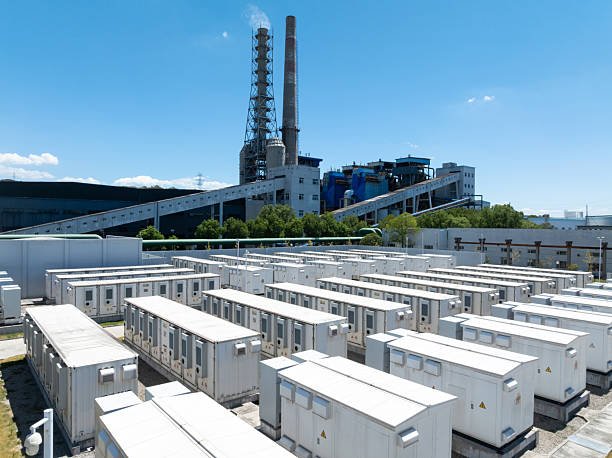
Advanced energy storage systems help utilities manage fluctuations in electricity demand, reduce congestion within transmission networks, and improve overall grid stability. Storage technologies also enable utilities to respond quickly to unexpected outages and maintain continuous electricity supply during peak demand periods.
As utilities continue investing in smart grid infrastructure, the deployment of large-scale battery energy storage systems is expected to expand steadily across the region.
Battery Technologies Continue to Evolve
Rapid technological innovation is making advanced energy storage systems more efficient, reliable, and cost-effective. Lithium-ion batteries remain the dominant technology due to their high energy density, fast response times, and declining manufacturing costs.
At the same time, companies are investing in next-generation storage technologies such as solid-state batteries, sodium-ion batteries, flow batteries, and long-duration energy storage solutions designed to provide extended backup power for utilities and industrial applications.
Ongoing research and development efforts are expected to improve battery performance, increase operational lifespan, and reduce overall system costs, making energy storage more accessible across multiple industries.
Government Policies Continue to Encourage Investment
Supportive government policies and funding initiatives continue to play an important role in expanding North America's energy storage industry. Incentives for clean energy deployment, grid modernization programs, and investments in battery manufacturing are encouraging utilities and private developers to accelerate storage projects.
The National Renewable Energy Laboratory (NREL) continues to conduct research on battery storage technologies, grid integration, and renewable energy systems that support the development of more resilient and sustainable electricity infrastructure. Its research provides valuable insights into improving storage performance and supporting future energy transitions.
These initiatives are helping strengthen domestic supply chains while supporting long-term innovation within the energy storage ecosystem.
Commercial and Industrial Users Are Expanding Adoption
Beyond utilities, commercial and industrial organizations are increasingly deploying advanced energy storage systems to improve energy efficiency and reduce operating costs.
Manufacturing facilities, hospitals, data centers, universities, and commercial buildings are using battery storage to lower peak electricity demand, provide backup power during outages, and optimize renewable energy consumption. These systems also enable organizations to participate in demand response programmes, creating additional opportunities for energy cost savings.
As electricity prices fluctuate and sustainability goals become more ambitious, commercial adoption is expected to continue growing.
Electric Vehicle Growth Supports Battery Innovation
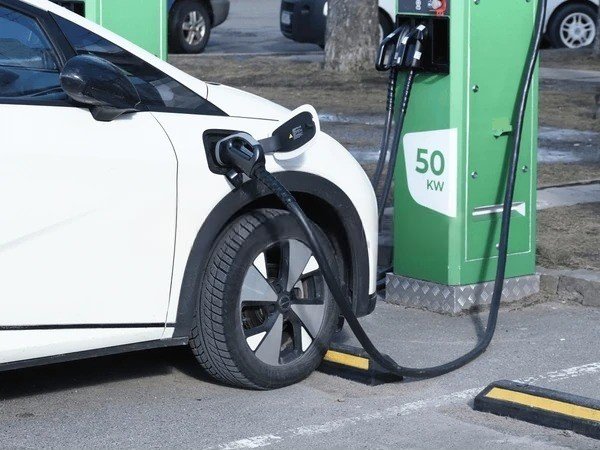
The rapid expansion of the electric vehicle (EV) industry is creating significant opportunities for battery technology development that directly benefits stationary energy storage applications.
Advances in battery chemistry, manufacturing processes, and recycling technologies are improving storage system performance while lowering production costs. Increased battery production capacity across North America is also strengthening domestic supply chains and reducing reliance on imported battery components.
As EV adoption continues to increase, technological advancements developed for transportation applications are expected to accelerate innovation within the broader energy storage sector.
Long-Duration Energy Storage Is Gaining Attention
While lithium-ion batteries remain the leading solution for short-duration storage, utilities are increasingly exploring long-duration energy storage technologies capable of supplying electricity for several hours or even days.
These systems can provide greater grid flexibility during extended periods of low renewable generation, helping maintain electricity reliability while supporting higher levels of renewable energy integration.
Growing investment in long-duration storage technologies is expected to diversify North America's energy storage landscape and strengthen future grid resilience.
Future Outlook
North America's advanced energy storage industry is expected to experience steady growth as renewable energy deployment, grid modernization, and battery innovation continue to reshape the regional energy landscape. The projected increase from USD 3.56 billion in 2025 to USD 5.11 billion by 2032 reflects the growing importance of energy storage technologies in supporting reliable, efficient, and sustainable electricity systems.
Continued investments in research, manufacturing, smart grid infrastructure, and long-duration storage solutions will further strengthen the industry's long-term outlook. As governments, utilities, and businesses prioritize cleaner and more resilient energy systems, advanced energy storage will remain a cornerstone of North America's energy transition.