How a Plumbing Company Prepares Homes for Seasonal Weather
By Coastal Mechanical Contractors 01-12-2025 57
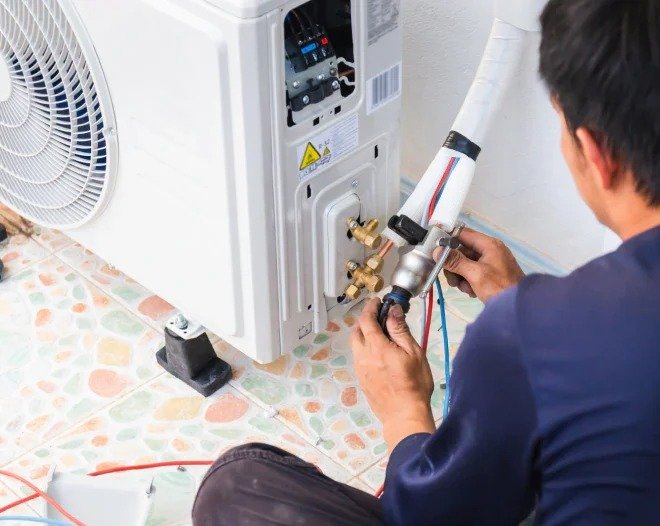
Weather changes fast, and your home feels it first. Pipes swell. Drains clog. As temperatures fluctuate, water heaters and plumbing systems are subjected to increased strain. That's why our Plumbing Company Houma, provides proactive seasonal care. We perform detailed inspections, system tests, and precision adjustments to ensure your home maintains consistent comfort and dependable safety. This saves money and prevents surprise leaks. It also brings peace of mind on stormy nights. When you partner with a trusted pro, you gain tools and tips that last all year. And you gain a clear path to action. So, if you're searching for a plumbing company, you want steps that work right now.
Seasonal Plumbing Check: What We Assess First
We begin with a thorough visual inspection, both inside and out. Then we run water at key fixtures. We listen for noisy valves. We also look for slow drains and small leaks. Next, we check outdoor spigots and hose bibs. We test shutoff valves near sinks and toilets. We note water pressure and temperature. Finally, we map risks by room, so your plan is easy to follow.
For homeowners seeking a starting point with a local expert, we provide clear guidance backed by our plumbing company Houma expertise and well-tested checklists.
Now, here is a simple snapshot that we confirm before any weather shift:
- Pipe insulation on exposed lines
- Clean, trapped, and vented drains
- Working sump pump and backflow devices
- Safe water heater temperature and relief valve
Why Plumbing Company Houma Planning Matters Before the First Freeze
Cold snaps stress pipes and fittings. Even short freezes can split lines. Burst lines lead to water damage and mold. Yet prevention is fast and straightforward. First, we insulate exposed pipes in garages, crawl spaces, and attics. Then we cap or cover outdoor hose bibs. We also confirm indoor heat reaches risky zones.
Meanwhile, we set water heater temps to safe levels. We tag shutoff valves for fast access. And we coach families on overnight drip methods during extreme cold weather conditions. With a clear plan, you lower repair costs. You also protect floors, drywall, and keepsakes. Above all, you protect sleep and safety when temps drop.
Protecting Pipes from Cold Snaps
Frigid nights find weak points first. Therefore, we focus on pipes that travel through unheated areas. We add foam sleeves or heat tape where needed. We also seal gaps that allow wind to hit the lines. After that, we test the flow and check the pressure. Then we review water meter access in case you need a quick shutoff. Finally, we teach simple habits for freeze nights, like opening cabinet doors.
In certain homes, air movement plays a key role in protecting the plumbing. When systems are combined in one area, we partner with an experienced HVAC Contractor Houma to ensure the utility room stays warm and consistent.
"Rain-Ready" Drains and Sump Pumps
First, we clear gutters and downspouts. Then, we flush the yard drains and test the sump pumps. We check backflow valves and discharge lines. We also verify power and battery backups. During intense storms, this prevents water from accumulating near the foundation. And it helps keep basements dry and safe. If we find slow lines, we use cameras to spot roots or debris. We schedule cleaning before storms return. As a result, you avoid last-minute panic.
"Heavy rain tests every weak drain," our techs like to say.
Once rain prep is done, some families turn their attention to backup heat. It's common to search for home heating system installation near me when storms cut the power and rooms chill quickly.
Water Heaters: Efficiency for Every Season
Water heaters carry a heavy load in both cold and hot months. Therefore, we test temperature, draw, and recovery. We flush tanks to reduce sediment. We also inspect anode rods and temperature-pressure relief (T&P) valves. If we see rust or leaks, we recommend fast fixes. With tankless units, we descale and check venting. Even minor tune-ups reduce energy use and improve comfort. And safer water temperature protects skin, kids, and older adults.
Here is a quick guide we share during service:
Checkpoint | Why It Matters | Ideal Action |
|---|---|---|
Temperature setting | Prevents scalding | 120°F default |
T&P valve test | Releases excess pressure | Test twice per year |
Sediment flush | Improves efficiency | Flush annually |
Anode rod inspection | Slows tank corrosion | Inspect every 2–3 years |
When these steps become routine, breakdowns become rare and manageable.
Indoor Air, Venting, and Safe Combustion
Good plumbing depends on air and vent paths. Traps need water seals to block sewer gas. Vents require clear lines of sight to the roof. In utility rooms, combustion appliances need clean air. We confirm each path and fix small issues before they grow. We also test for carbon monoxide near mixed systems. Then we label shutoffs and pilot instructions for quick use. When homes share space for heaters and water heaters, we coordinate airflow plans to ensure optimal efficiency. In older homes, we often fine-tune louvers or add make-up air to improve circulation. For complete comfort balance, we partner with a trusted HVAC contractor Houma to ensure air, heat, and moisture work together correctly.
Smart Maintenance Calendar
A seasonal calendar keeps tasks simple. First, we set spring goals for drains and gutters. Next, we pick summer checks for outdoor lines. Then we plan fall freeze prep. Finally, we tune water heaters and indoor vents in winter. We post the plan on the fridge or a phone. Everyone can see what comes next. This prevents last-minute calls during storms. It also keeps costs steady across the year.
Before you build your list, consider these easy wins:
- Mark shut off the valves and stored a wrench nearby
- Keep spare hose gaskets and frost covers on hand
- Test sump pump alarms and battery backups
- Log filter, flush, and inspection dates in your phone
When the plan is clear, stress stays low and progress stays steady.
FAQ
"Small steps today prevent big repairs tomorrow."
How often should I flush a water heater?
We suggest once a year. This keeps sediment low and improves efficiency. It also extends the unit's life.
What should I do before a hard freeze?
Open sink cabinets on outside walls. Let a slight drip run overnight. Cover outdoor bibs. Know your shutoff valve location.
When should I call a pro for slow drains?
If simple clearing fails, call before storms. Camera checks catch roots or breaks early. Then, fixes cost less.
Many readers want better comfort during winter cold snaps. They look up home heating system installation near me to ensure steady heat wherever pipes run close to exterior walls.
At Every Step: Safety, Savings, and Calm
We plan service with your daily life in mind. First, we protect safety by securing shutoffs and venting. Next, we protect savings by reducing leaks and energy waste. We then maintain calm by establishing a clear schedule. Each step turns worry into action. Each visit leaves tools and tips you can use. When the forecast shifts, your home is ready. And your family rests easier at night.
In many homes, we also share a storm kit list. It includes pipe tape, towels, a bucket, and a list of phone numbers. With these basics within reach, minor issues stay small. Your home stays dry and steady while seasons change.
Open doors stay ready for the weather ahead
When you prepare early, seasons stop being scary, and they start being routine. With a clear checklist, a trusted plan, and support when needed, your home can withstand cold snaps, heavy rain, and sudden heat. And when the next forecast turns, you already know the moves that protect comfort, savings, and sleep. If you want a steady hand and simple steps that fit your house, Coastal Mechanical Contractors is ready to help—one thoughtful check at a time.
Tags : HVAC Contractor Houma