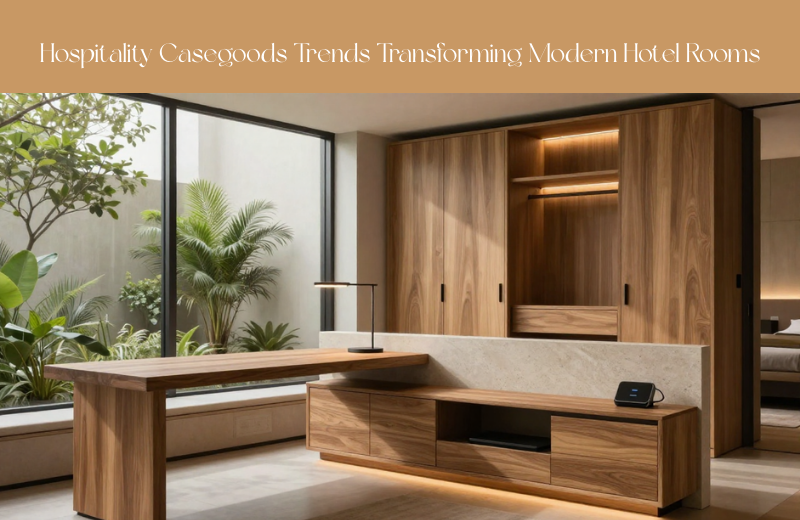
The key trends transforming modern hotel rooms involve the strategic integration of multi-functional designs, sustainable materials, seamless technology, and a strong emphasis on creating a residential, home-like feel for guests. This evolution reflects a significant shift in guest expectations, where hotel furniture must do more than simply furnish a space; it must enhance the entire visitor experience. High-quality hospitality casegoods are at the forefront of this transformation, moving from purely functional items to central elements of a hotel's brand story, operational efficiency, and guest satisfaction strategy. These pieces, including wardrobes, desks, nightstands, and media units, are now designed to be adaptable, intuitive, and aesthetically compelling.
This article provides a comprehensive analysis of the latest design and functional trends shaping hotel casegoods. We will explore the shift toward multifunctional furniture, the growing demand for sustainable and authentic materials, the non-negotiable need for integrated technology, and the move toward residential and biophilic design principles.
Who It Is For
This guide is written for key decision-makers in the hospitality industry, including hotel owners, general managers, procurement professionals, and interior designers who are planning new builds or renovations and seek to create modern, competitive, and guest-centric spaces.
What You Will Understand
By the end of this article, you will have a clear understanding of how to leverage current trends in hospitality casegoods to elevate the guest experience, improve room functionality, increase operational efficiency, and make informed investment decisions that result in memorable, future-proofed hotel interiors.
The Core Shift: From Pure Function to Holistic Experience
The role of hotel room furniture has fundamentally evolved. In the past, the primary requirements were durability and basic function. Today, while durability remains critical, the focus has expanded to include guest wellness, personalization, and experiential value. Modern travelers, particularly those blending business with leisure, expect a seamless environment that caters to work, relaxation, and everything in between.
This change means that every piece of furniture is an opportunity to solve a problem or add a touch of comfort for the guest. The generic, built-in desk and wardrobe combination is being replaced by thoughtfully designed, often freestanding-style pieces that feel curated and intentional. This is where a skilled casegoods furniture manufacturer becomes an essential partner, capable of translating a brand's vision into tangible, hard-working furniture that delights guests and stands up to the rigors of hotel use.
Key Design Trends Shaping Modern Hospitality Casegoods
To stay competitive, hotels must embrace the trends that define modern guest expectations. These trends are not merely about aesthetics; they are about intuitive function, sustainability, and creating an emotional connection with the guest.
Trend 1: Multifunctional and Space-Optimizing Designs
As hotel room footprints in urban centers become more compact, the need for intelligent, space-saving furniture is paramount. Single-purpose items are giving way to adaptable pieces that serve multiple needs throughout a guest's stay.
This includes desks that easily convert into dining tables or meeting surfaces, ottomans with hidden storage, and headboards that incorporate nightstands, lighting, and charging stations into one cohesive unit. Luggage benches are being designed to slide neatly under consoles or into closets, freeing up valuable floor space. For a casegoods furniture manufacturer, the challenge lies in engineering these pieces with durable, user-friendly mechanisms that perform reliably over thousands of uses.
Trend 2: Sustainable and Authentic Materials
Modern guests are increasingly conscious of a brand's environmental and social impact. This has driven a significant trend toward the use of sustainable, recycled, and locally sourced materials in hospitality casegoods. Materials like reclaimed wood, bamboo, recycled plastics, and low-VOC finishes are becoming more common.
Beyond sustainability, there is a desire for authenticity. Guests are drawn to natural textures and materials that tell a story, such as wood with visible grain, natural stone tops, and metal accents with honest finishes. High-quality laminates that realistically mimic these natural materials also offer a durable and cost-effective alternative. Leading hospitality casegoods manufacturers in USA are often better positioned to source these unique materials and ensure they meet strict commercial durability standards.
Trend 3: Seamless Technology Integration
For today's traveler, connectivity is not a luxury; it is a basic utility. Well-designed hotel casegoods integrate technology in a way that is both accessible and unobtrusive. This goes far beyond a single outlet on a lamp base.
Modern nightstands and desks feature built-in power hubs with a combination of standard outlets, USB-A, and USB-C ports to accommodate all devices. Wireless charging pads are becoming a standard feature, seamlessly embedded into the surfaces of nightstands and desktops. Other integrations include motion-activated LED lighting in wardrobes and drawers, built-in Bluetooth speakers, and media units designed for easy device casting to the room's television. The goal is to eliminate cord clutter and provide intuitive power access right where the guest needs it.
Trend 4: Residential Comfort and "Resimercial" Aesthetics
The sterile, cookie-cutter hotel room is a thing of the past. The prevailing aesthetic is "resimercial," a blend of residential comfort and commercial durability. Guests want to feel like they are in a well-designed, personal space rather than a temporary lodging.
This trend manifests in hospitality casegoods through the use of softer, rounded edges instead of sharp corners, varied textures, and sophisticated color palettes. Furniture profiles are becoming lighter and more elegant, often featuring legs that lift the piece off the floor, creating a sense of spaciousness. The ability to produce custom hospitality casegoods is crucial here, as it allows hotels to create a unique, curated look that reinforces their brand identity and differentiates them from competitors.
The Strategic Advantage of Customization
While off-the-shelf furniture collections can seem like a convenient option, they often fail to meet the specific needs of a property. Custom hospitality casegoods offer a strategic advantage by allowing for solutions tailored perfectly to a hotel's unique brand, guest profile, and physical space.
Why Standard Solutions Often Fall Short
Every hotel has unique architectural challenges, from oddly shaped rooms to support columns that interfere with standard layouts. Custom furniture can be designed to maximize these spaces, turning potential drawbacks into unique features. Furthermore, custom pieces allow a hotel to embed its brand DNA directly into the room's design through specific finishes, hardware, or design motifs. This level of personalization is impossible to achieve with stock furniture. Partnering with experienced hotel casegoods manufacturers ensures that these custom designs are not only beautiful but also engineered for the demanding hotel environment.
Balancing Aesthetics, Durability, and Budget
A common misconception is that custom means prohibitively expensive. In reality, working with a skilled manufacturer allows for "value engineering," where material and construction choices are optimized to meet a specific budget without sacrificing the design intent or long-term durability. For instance, high-wear surfaces like desktops can be specified with high-pressure laminate (HPL) for maximum scratch and stain resistance, while less-contacted vertical surfaces might use a different material. This intelligent approach ensures the final product delivers both lasting quality and financial viability.
Actionable Solutions That Make a Real Difference
Implementing these trends requires a strategic approach. The following steps provide a clear framework for planning your next new build or renovation project.
Define Your Guest Profile and Brand Story
Before you look at a single piece of furniture, create a detailed profile of your ideal guest. Are they a business traveler needing a functional workspace? A family requiring extra storage? A luxury tourist seeking a premium experience? Your choices for hotel casegoods should directly address their needs. Your brand story should also inform the design—a boutique art hotel will require vastly different casegoods than a select-service business hotel.
Prioritize Multi-Functionality in Every Key Piece
Audit your room layouts and identify opportunities for consolidation. Can a media unit also serve as a dresser? Can the desk double as a vanity with integrated lighting? Challenge every piece to serve at least two functions. This approach not only saves space but also adds a layer of intuitive convenience that modern guests appreciate.
Future-Proof Your Technology Specifications
Plan for the technology of tomorrow, not just today. When specifying furniture, ensure a mix of USB-A and USB-C charging ports. Consider the placement and number of outlets carefully. Embedding wireless charging is a relatively low-cost feature that provides a high-perceived value and will remain relevant for years to come.
Vet Manufacturers on Their Custom Capabilities and Engineering
When evaluating potential hotel casegoods manufacturers, look beyond the catalog. Ask for detailed case studies of their custom work. Inquire about their engineering process, the software they use for shop drawings, and their prototyping capabilities. A strong manufacturing partner will act as a consultant, helping to refine your designs for better durability and cost-effectiveness. This is particularly important when seeking hospitality casegoods manufacturers in USA for projects requiring close collaboration and shorter lead times.
Develop a Non-Negotiable Durability Checklist
Create a technical specification sheet for your hospitality casegoods. This should detail requirements for key components. Specify commercial-grade materials for all surfaces, robust hardware like soft-close drawer glides and European hinges, and proven construction techniques such as dowel-and-glue joinery. This checklist ensures that every piece is built to withstand the intense use of a hotel environment, protecting your investment for the long term.
Final Thoughts on a New Era of Hotel Furniture
The trends shaping hospitality casegoods are a direct response to the sophisticated demands of the modern traveler. Furniture is no longer a passive background element; it is an active contributor to the guest experience, brand identity, and a hotel's bottom line. By embracing multi-functionality, sustainability, seamless technology, and residential aesthetics, hotels can create environments that are not only beautiful and comfortable but also highly functional and memorable. Investing in well-designed, durable, and thoughtful hotel casegoods is a direct investment in guest satisfaction and long-term success.