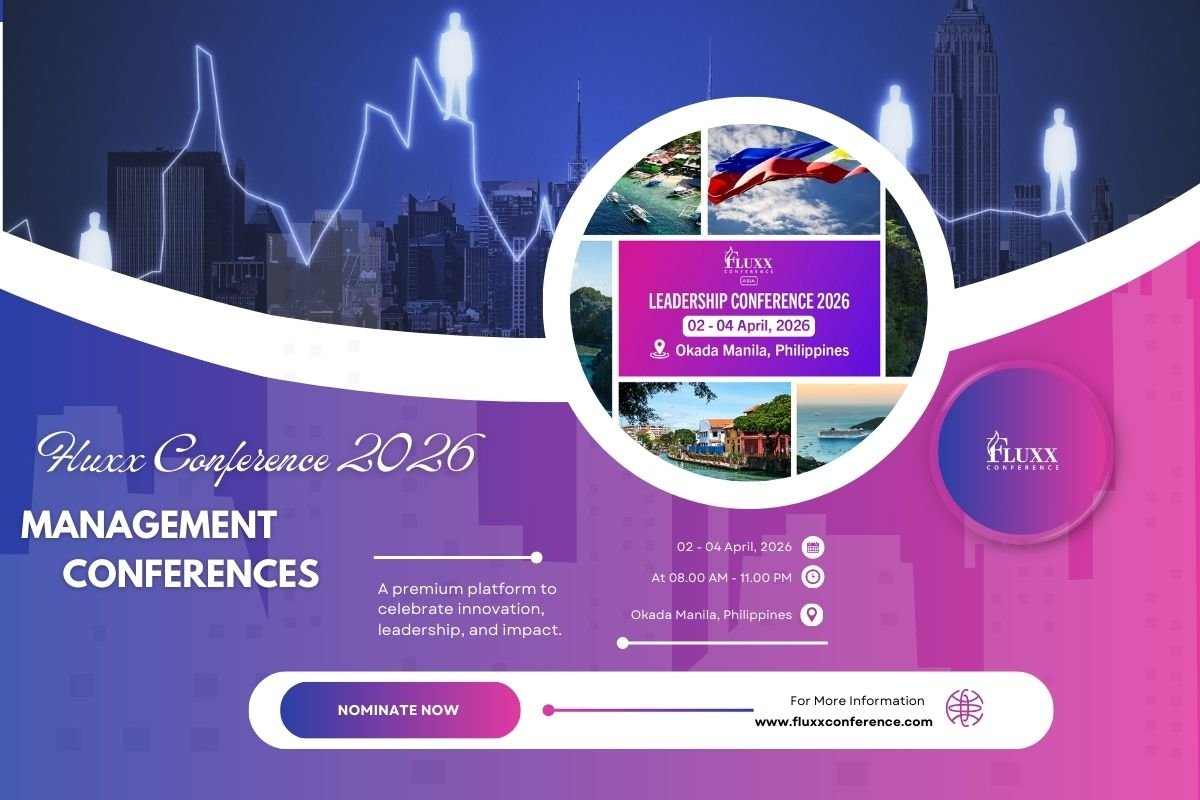
Mid-level managers often find themselves at a crossroads—balancing team responsibilities while aspiring to higher leadership roles. While day-to-day tasks can sharpen operational skills, attending management conferences can unlock opportunities far beyond the office walls. These events are not just networking platforms; they are incubators for learning, growth, and strategic insight.
Accelerated Learning and Skill Enhancement
One of the most immediate benefits of participating in management conferences is accelerated learning. Workshops, panel discussions, and keynote speeches provide actionable insights from industry leaders. For instance, an HR technology conference can introduce mid-level managers to cutting-edge tools and software that streamline talent acquisition, performance tracking, and employee engagement. Attending these sessions ensures that managers are not only updated with current trends but can also implement new strategies to improve their team’s efficiency and performance.
Expanding Professional Networks
Networking remains a critical yet often overlooked advantage of attending management conferences. Connecting with peers, industry experts, and thought leaders opens doors to collaborative opportunities and mentorships. Mid-level managers attending healthcare executive conferences, for example, gain access to a community of professionals facing similar challenges in healthcare administration. These interactions often lead to partnerships, career advice, and even new career paths that might not have been accessible through traditional channels.
Exposure to Industry Trends and Innovations
In today’s fast-paced business environment, staying ahead of trends is essential. Management conferences provide a concentrated space to explore emerging technologies, regulatory updates, and market shifts. Participating in specialized events like an HR technology conference allows managers to witness firsthand how AI, data analytics, and employee-centric platforms are reshaping human resources management. Similarly, healthcare executive conferences expose managers to the latest operational strategies, patient care models, and digital health solutions, empowering them to make informed decisions within their organizations.
Leadership Development and Strategic Thinking
Beyond technical skills, attending management conferences enhances leadership and strategic thinking capabilities. Engaging in scenario-based workshops, leadership panels, and cross-industry discussions helps managers refine problem-solving skills, develop innovative approaches, and enhance decision-making under pressure. These experiences cultivate the confidence required to handle complex situations and to mentor teams effectively.
Boosting Visibility and Career Growth
Mid-level managers who actively participate in conferences gain visibility among peers and industry leaders. Presenting case studies, participating in discussions, or even sharing insights on professional platforms post-conference positions them as thought leaders within their niche. Exposure at management conferences, HR technology conference, or healthcare executive conferences can accelerate career progression by highlighting a manager’s expertise and commitment to professional development.
Conclusion
Attending management conferences is far more than a networking exercise—it is a strategic investment in a manager’s professional growth. From learning the latest industry innovations to expanding networks, enhancing leadership skills, and gaining visibility, the hidden benefits are profound. For mid-level managers aiming to climb the corporate ladder, these conferences are invaluable opportunities that combine knowledge, strategy, and growth in one powerful package.
Beyond the immediate takeaways, these events also expose managers to diverse perspectives, real-world case studies, and emerging global trends that can reshape their understanding of effective leadership. The chance to engage with thought leaders and peers encourages critical thinking, sparks innovation, and strengthens decision-making capabilities. Conferences often serve as catalysts for new ideas, helping managers return to their organisations with actionable insights that can drive measurable improvement. Additionally, the inspiration gained from these environments fuels personal motivation, reinforcing a long-term commitment to continuous learning. Ultimately, management conferences empower professionals to stay ahead in a rapidly evolving business landscape while building the confidence needed to lead transformational change.