Indoor air quality has become an increasingly important topic as people spend more time inside homes, offices, and enclosed spaces. Dust, allergens, airborne particles, and pollutants can accumulate indoors, sometimes at higher levels than outdoors. To address these concerns, air purification technologies have evolved significantly over the years. One of the most widely recognized components in these systems is the High-Efficiency Particulate Air filter, commonly known as a HEPA filter. For users researching Hepa filters for Fresh Air by EcoQuest, understanding how these filters work and what role they play within air purification systems is an essential starting point.
HEPA filters are designed to capture extremely small particles from the air, contributing to cleaner indoor environments. While many air purification systems rely on multiple technologies, filtration remains a foundational element. Products associated with Fresh Air by EcoQuest are often discussed in the context of combining filtration with other air treatment approaches. To fully appreciate their purpose, it is helpful to explore how HEPA filtration developed, what it captures, and how it fits into broader air purification strategies.
What HEPA Filters Are and How They Work
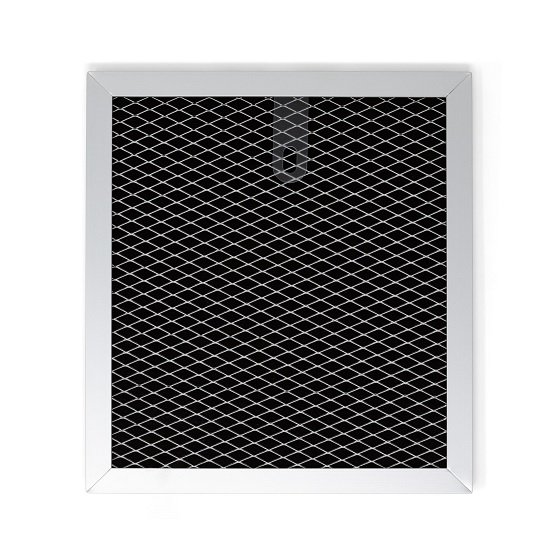
HEPA filters are engineered to trap particles as air passes through a dense mat of fibers, usually made from fiberglass or similar materials. These fibers create a complex pathway that captures particles through mechanisms such as interception, impaction, and diffusion. For a filter to meet true HEPA standards, it must be capable of removing at least 99.97 percent of particles as small as 0.3 microns in diameter. This level of filtration is particularly effective for common indoor contaminants, including pollen, dust mites, pet dander, mold spores, and fine particulate matter. Because of this capability, HEPA filters are commonly used in hospitals, laboratories, and cleanroom environments. Over time, their use expanded into residential and commercial air purifiers, where maintaining cleaner air became a priority for comfort and health awareness.
When discussing Hepa filters for air purifiers, it is important to recognize that not all filters labeled as “HEPA-type” or “HEPA-like” meet the same efficiency standards. True HEPA filters follow specific testing criteria, which ensures consistent performance in capturing microscopic particles.
The Role of HEPA Filters in Indoor Air Quality
Indoor air quality can be affected by many factors, including ventilation, building materials, cleaning products, and outdoor pollution entering through doors and windows. HEPA filters help reduce the concentration of airborne particles by continuously capturing them as air circulates through an air purifier. This process does not introduce chemicals or fragrances into the air, making filtration a mechanical and passive method of air cleaning. For households with allergy concerns, filtration is often considered a first step in managing airborne triggers. By reducing particle load, HEPA filters can help create a more comfortable indoor environment. However, they are not designed to remove gases, odors, or volatile organic compounds on their own. This limitation explains why some air purification systems integrate additional technologies alongside filtration.
In the context of EcoQuest air purifiers, HEPA filtration is frequently discussed as one component within a multi-stage approach. Understanding what filtration does—and what it does not do—allows users to make informed decisions when evaluating different air treatment solutions.
Fresh Air by EcoQuest and Filtration Integration
Fresh Air by EcoQuest systems are often recognized for using multiple air treatment methods in combination. While HEPA filters focus on capturing particles, other technologies may target odors, microorganisms, or airborne chemicals. This layered approach is designed to address a broader range of indoor air concerns than filtration alone. When considering Hepa filters for Fresh Air by EcoQuest, it is helpful to understand how these filters interact with the overall system design. In some configurations, HEPA filters are responsible for removing particulate matter before air moves through other treatment stages. This sequencing helps maintain system efficiency and prevents particle buildup in downstream components.
It is also important to note that filtration performance depends on proper installation and regular replacement. Over time, captured particles accumulate within the filter media, increasing airflow resistance. This does not mean the filter stops working immediately, but efficiency and airflow can decline if maintenance is neglected.
Maintenance and Replacement Considerations
HEPA filters are not permanent components. Their lifespan varies depending on factors such as indoor pollution levels, usage time, and environmental conditions. In homes with pets, smokers, or higher dust levels, filters may need to be replaced more frequently. Regular inspection ensures that airflow remains adequate and that filtration performance meets expectations. Most manufacturers provide general guidelines for replacement intervals, often ranging from six months to a year. However, these recommendations are averages rather than strict rules. Visual inspection, airflow changes, and system indicators can offer additional clues about when a filter should be replaced.
For users of Fresh Air by EcoQuest systems, selecting compatible HEPA filters ensures proper fit and airflow balance. Improperly fitted filters may allow air to bypass the filtration media, reducing effectiveness. Understanding these practical considerations helps users maintain consistent indoor air quality over time.
Comparing HEPA Filtration with Other Air Cleaning Methods
While HEPA filters are highly effective at capturing particles, they are not the only method used in air purification. Activated carbon filters, for example, are designed to adsorb gases and odors. Ultraviolet light and photocatalytic oxidation target microorganisms and certain chemical compounds. Each technology addresses different aspects of indoor air quality. This is why discussions around Hepa filters for Fresh Air by EcoQuest often emphasize their role as part of a broader system rather than a standalone solution. Filtration handles particulate matter, while complementary technologies focus on other pollutants. Understanding these distinctions prevents unrealistic expectations and helps users appreciate the strengths of each component.
It is also worth noting that no air purification system can replace proper ventilation. Fresh outdoor air exchange remains an important factor in maintaining healthy indoor environments. Air purifiers, including those using HEPA filters, are most effective when used as supplements to good ventilation practices.
Environmental and Energy Considerations
HEPA filtration is a passive process that relies on airflow rather than chemical reactions. This makes it a relatively stable and predictable technology. However, denser filters require more energy to move air through them, which can affect overall system efficiency. Modern air purifiers are often designed to balance filtration performance with energy consumption. Disposal of used filters is another environmental consideration. Since HEPA filters capture fine particles, proper handling and disposal are recommended to prevent re-release of trapped contaminants. While filters are not typically classified as hazardous waste, sealing them before disposal is a common best practice. Understanding these aspects allows users to view HEPA filtration not only as an air quality solution but also as part of a responsible home maintenance routine.
Making Informed Choices About HEPA Filtration
Choosing the right air purifier involves evaluating room size, pollution sources, maintenance requirements, and filtration capabilities. HEPA filters remain a widely trusted technology due to their proven ability to capture microscopic particles. When integrated into systems like Fresh Air by EcoQuest, they contribute to a multi-layered approach to indoor air treatment. By learning how HEPA filters work, how they are maintained, and how they interact with other technologies, users can set realistic expectations and make informed decisions. Rather than viewing filtration as a cure-all, it is more accurate to see it as a critical component in a larger indoor air quality strategy.