Heavy Duty Towing: The Backbone of Large-Scale Vehicle Recovery and Transport
By WP Dev 17-12-2025 47
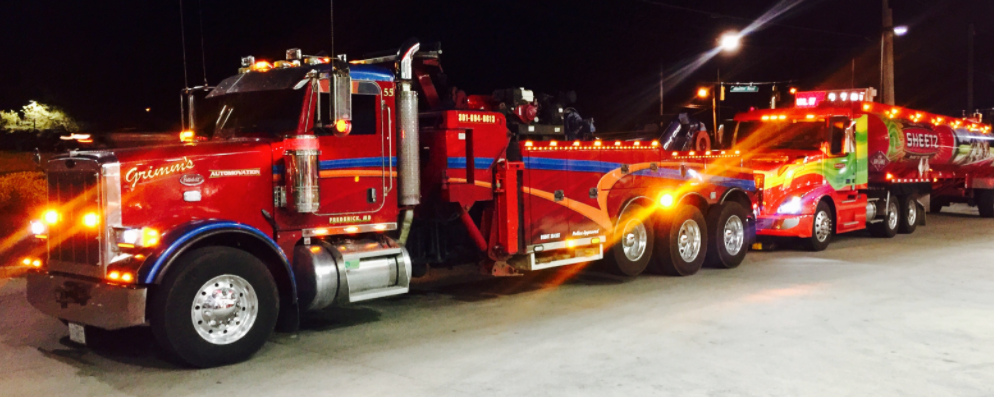
Heavy Duty Towing plays a critical role in keeping highways, industrial zones, and commercial transport systems moving smoothly. When large vehicles such as trucks, buses, construction equipment, or trailers break down or get involved in accidents, standard towing solutions are simply not enough. This is where heavy duty towing services step in, offering specialized equipment, trained operators, and advanced recovery techniques designed specifically for oversized and high-weight vehicles.
In today’s fast-paced logistics and infrastructure-driven world, heavy duty towing is not just a support service—it is an essential part of transportation safety and efficiency.
What Is Heavy Duty Towing?
Heavy duty towing refers to the recovery, transport, and roadside assistance of large and heavy vehicles that exceed the capacity of light- or medium-duty tow trucks. These vehicles often weigh several tons and require specialized towing machinery and experienced operators.
Common vehicles handled under heavy duty towing include:
Commercial trucks and tractor-trailers
Buses and coaches
Construction and mining equipment
Industrial machinery
Large RVs and motorhomes
Fleet and logistics vehicles
Unlike conventional towing, heavy duty towing involves complex load calculations, safety protocols, and advanced recovery methods.
Why Heavy Duty Towing Is So Important
The importance of heavy duty towing goes far beyond vehicle recovery. It directly impacts road safety, traffic flow, and business continuity.
1. Road Safety
Broken-down heavy vehicles pose serious hazards on highways and urban roads. Prompt heavy duty towing helps prevent secondary accidents and ensures safer road conditions for all motorists.
2. Business Continuity
For logistics companies and fleet operators, downtime equals financial loss. Heavy duty towing services help minimize delays by quickly recovering and transporting disabled vehicles.
3. Infrastructure Protection
Improper towing of large vehicles can damage roads, bridges, and surrounding structures. Professional heavy duty towing ensures compliance with safety and weight regulations.
4. Emergency Response Support
In major accidents or natural disasters, heavy duty towing supports emergency teams by clearing large obstructions efficiently.
Equipment Used in Heavy Duty Towing
Heavy duty towing requires highly specialized equipment designed to handle extreme weight and size safely.
Rotator Tow Trucks
Rotator trucks are among the most advanced tools in heavy duty towing. Equipped with rotating booms, they allow for precise lifting and recovery in confined or hazardous environments.
Heavy Duty Wreckers
These powerful tow trucks are designed for long-distance towing and recovery of large vehicles. They offer high winching capacity and reinforced frames.
Flatbed and Lowboy Trailers
Used for transporting heavy machinery and equipment, these trailers ensure secure loading and balanced weight distribution.
Winches and Rigging Tools
High-capacity winches, chains, straps, and hooks are essential for controlled recovery operations during accidents or off-road incidents.
Situations That Require Heavy Duty Towing
Heavy duty towing services are needed in a wide range of situations, including:
Mechanical breakdowns of trucks or buses
Highway accidents involving commercial vehicles
Jackknifed trailers
Overturned construction equipment
Vehicles stuck in mud, sand, or snow
Long-distance transport of non-operational heavy vehicles
Each scenario demands a customized approach based on vehicle type, location, and safety risks.
The Role of Skilled Operators in Heavy Duty Towing
Equipment alone does not define effective heavy duty towing. Skilled and trained operators are equally important.
Professional heavy duty towing operators are trained in:
Load and weight distribution calculations
Vehicle stabilization techniques
Accident scene management
Safety compliance and regulations
Advanced recovery strategies
Their expertise ensures that towing operations are conducted safely, efficiently, and without causing further damage.
Heavy Duty Towing vs. Light and Medium Duty Towing
Understanding the difference between towing categories highlights why heavy duty towing is so specialized.
Towing Type Vehicle Capacity Typical Vehicles
Light Duty Up to 3 tons Cars, bikes, small vans
Medium Duty 3–10 tons Delivery trucks, minibuses
Heavy Duty 10+ tons Trucks, buses, machinery
Heavy duty towing involves higher risk, greater complexity, and stricter safety standards than other towing services.
Industries That Rely on Heavy Duty Towing
Many industries depend on heavy duty towing for smooth operations:
Logistics and Transportation
Fleet vehicles and long-haul trucks often operate over long distances, increasing the likelihood of breakdowns or accidents.
Construction and Infrastructure
Heavy machinery and equipment frequently need relocation or recovery from challenging worksites.
Mining and Industrial Operations
Large industrial vehicles operate in harsh environments, making heavy duty towing essential for equipment recovery.
Public Transportation
Buses and municipal vehicles require specialized towing to avoid service disruptions.
Safety Standards in Heavy Duty Towing
Safety is the foundation of heavy duty towing operations. Reputable service providers follow strict safety protocols, including:
Proper vehicle stabilization
Use of certified equipment
Compliance with local and national transport regulations
High-visibility warning systems at recovery sites
Continuous operator training
These measures help protect operators, motorists, and the recovered vehicle.
Choosing the Right Heavy Duty Towing Service
Selecting a reliable heavy duty towing provider is crucial for safety and efficiency. Key factors to consider include:
Experience and Expertise
Look for providers with proven experience in handling large and complex towing jobs.
Availability
24/7 availability is essential, as breakdowns and accidents can happen at any time.
Modern Equipment
Advanced tow trucks and recovery tools indicate a provider’s capability to handle challenging situations.
Trained Personnel
Certified and well-trained operators ensure safer and faster recovery.
Transparent Pricing
Clear pricing and service details help avoid unexpected costs during emergencies.
The Future of Heavy Duty Towing
The heavy duty towing industry continues to evolve with advancements in technology and safety practices. Innovations such as GPS-enabled fleet tracking, telematics, advanced rotator trucks, and eco-friendly towing solutions are shaping the future.
As commercial transportation and infrastructure projects expand, the demand for efficient heavy duty towing services will only increase. The industry will continue to focus on faster response times, improved safety standards, and environmentally responsible operations.
Conclusion
Heavy Duty Towing is an indispensable service that supports modern transportation, construction, and industrial operations. From recovering massive vehicles after accidents to transporting heavy machinery across long distances, it ensures safety, efficiency, and continuity in high-risk situations.
With specialized equipment, skilled operators, and strict safety standards, heavy duty towing goes far beyond simple vehicle recovery. It is a critical backbone of large-scale mobility and infrastructure, keeping roads clear, businesses running, and communities safe.
Choosing the right heavy duty towing service can make all the difference when facing unexpected breakdowns or emergencies involving large vehicles.
Tags : Heavy Duty Towing