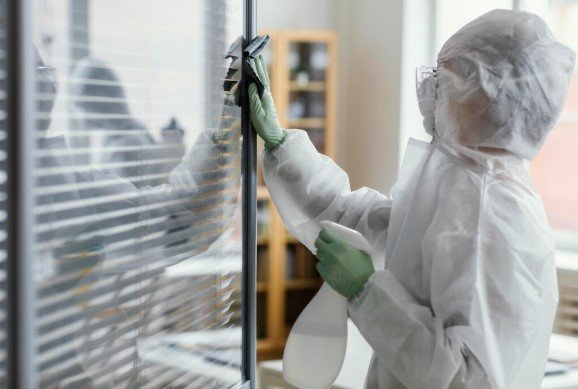
Household pests are more than just an inconvenience for residents—they can pose serious health risks if left unmanaged. In Murfreesboro, the local climate and residential environments create favourable conditions for many common pests to thrive indoors. Understanding how these pests affect human health is essential for maintaining a safe and hygienic living space. Awareness around Pest Control Murfreesboro is especially important, as early prevention and proper knowledge can help reduce exposure to illnesses, allergies, and long-term health concerns linked to infestations.
Common Household Pests and Their Impact on Health
Household pests can transmit diseases, contaminate food, trigger allergies, and worsen respiratory conditions. While some health effects are immediate, others develop gradually, making it crucial to recognise the risks associated with different types of pests commonly found in Murfreesboro homes.
Rodents and Disease Transmission
Rats and mice are among the most dangerous household pests due to their ability to spread diseases directly and indirectly. They carry pathogens such as hantavirus, leptospirosis, and salmonella, which can be transmitted through their urine, droppings, or saliva. Contaminated food and surfaces significantly increase the risk of infection, particularly in kitchens and pantries.
Rodents also bring fleas, ticks, and mites into homes, further increasing the likelihood of disease spread. In addition to infectious diseases, rodent droppings can contaminate indoor air, posing respiratory risks when particles become airborne.
Cockroaches and Respiratory Problems
Cockroaches are a major health concern, especially for children, elderly individuals, and people with asthma. Their droppings, shed skin, and saliva contain allergens that can trigger asthma attacks and allergic reactions. In some cases, prolonged exposure can lead to the development of asthma in individuals who previously showed no symptoms.
These pests also carry bacteria such as E. coli and salmonella, spreading them as they move across food preparation areas, dishes, and surfaces. Even a small infestation can significantly compromise indoor hygiene.
Mosquitoes and Vector-Borne Illnesses
Mosquitoes are more than just a seasonal nuisance in Murfreesboro. They are known vectors for serious illnesses such as West Nile virus, Zika virus, and other mosquito-borne diseases. Standing water around homes provides ideal breeding grounds, increasing the risk of mosquito populations growing rapidly.
Repeated mosquito bites can also cause skin infections due to scratching, particularly in children. For individuals with sensitive skin, bites may result in severe allergic reactions or secondary infections.
Ants and Food Contamination
While ants may seem harmless compared to other pests, they can still pose health risks. Ants frequently travel through unsanitary areas before entering homes, carrying bacteria on their bodies. When they infest kitchens or pantries, they can contaminate food supplies and surfaces.
Some species, such as fire ants, also pose physical health risks due to painful stings that can cause swelling, infection, or severe allergic reactions in sensitive individuals.
Termites and Indoor Air Quality
Termites are often associated with structural damage, but they can also indirectly affect health. As termites break down wooden structures, they can contribute to increased moisture levels within walls and floors. This creates an environment conducive to mold growth, which can negatively impact indoor air quality.
Exposure to mold spores may lead to respiratory issues, headaches, skin irritation, and aggravated asthma symptoms, particularly in poorly ventilated homes.
Bed Bugs and Mental Health Effects
Bed bugs do not transmit diseases in the same way as rodents or mosquitoes, but they can still significantly affect physical and mental health. Their bites cause itching, redness, and inflammation, sometimes leading to secondary skin infections from excessive scratching.
Beyond physical symptoms, bed bug infestations often result in anxiety, stress, and sleep deprivation. The psychological impact of dealing with persistent bites and disrupted rest can reduce overall quality of life.
Fleas, Ticks, and Secondary Infections
Fleas and ticks are commonly introduced into homes through pets but can quickly spread to carpets, furniture, and bedding. Fleas can transmit diseases such as murine typhus, while ticks are known carriers of Lyme disease and other serious illnesses.
Bites from these pests can also become infected if not treated properly. Continuous exposure increases the risk of allergic reactions, especially in children and individuals with compromised immune systems.
Health Risks for Vulnerable Populations
Certain groups are more susceptible to health problems caused by household pests. Children are at higher risk due to developing immune systems and frequent contact with floors and surfaces. Older adults and individuals with chronic illnesses or respiratory conditions may experience more severe symptoms when exposed to pest-related allergens and pathogens.
Pregnant individuals may also face increased health concerns, as some pest-borne diseases can pose risks during pregnancy.
Importance of Early Detection and Prevention
Early detection plays a crucial role in reducing health risks associated with pests. Small infestations can escalate quickly if left untreated, increasing the likelihood of disease transmission and long-term exposure. Regular inspections, proper sanitation, and addressing moisture issues can help minimise pest activity in homes.
Maintaining cleanliness, sealing entry points, and storing food properly are simple yet effective steps that contribute to healthier living conditions.
Long-Term Health Consequences of Ignoring Pest Issues
Ignoring household pest problems can lead to prolonged exposure to harmful allergens, bacteria, and viruses. Over time, this exposure may contribute to chronic respiratory conditions, repeated infections, and ongoing stress-related health issues.
In Murfreesboro, where seasonal changes can influence pest activity, proactive awareness is essential. Understanding the health risks caused by household pests empowers homeowners to take informed action and protect their families’ wellbeing.
By recognising the connection between pests and health, residents can prioritise safer, cleaner living environments and reduce the potential impact pests may have on their daily lives.
Tags : .....